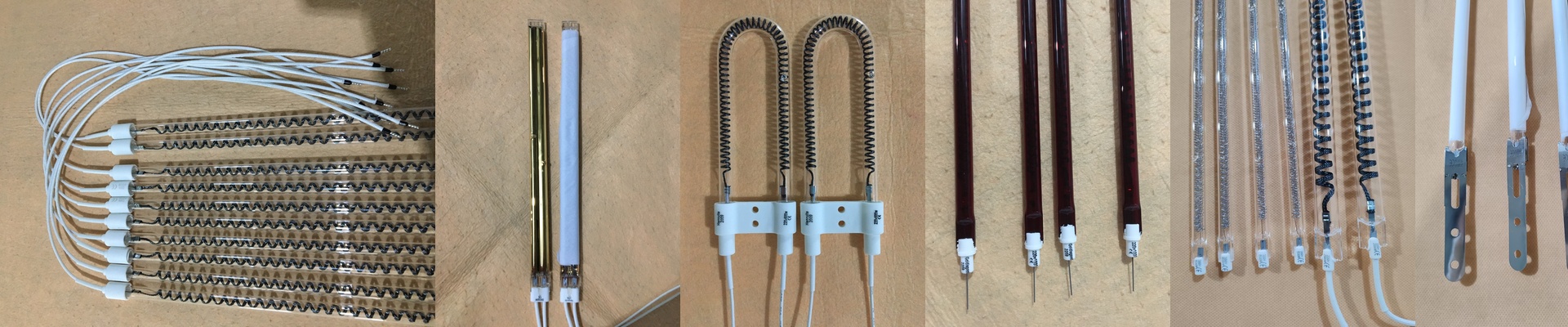
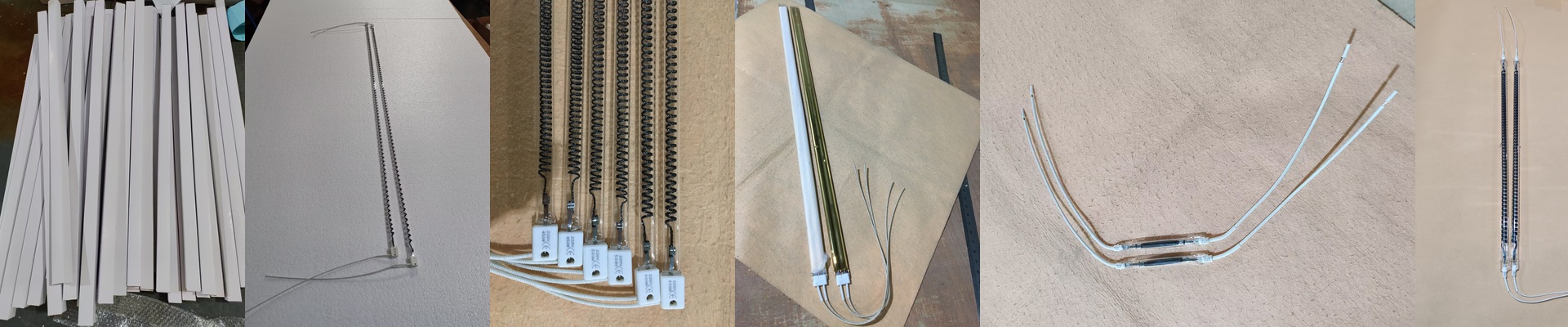
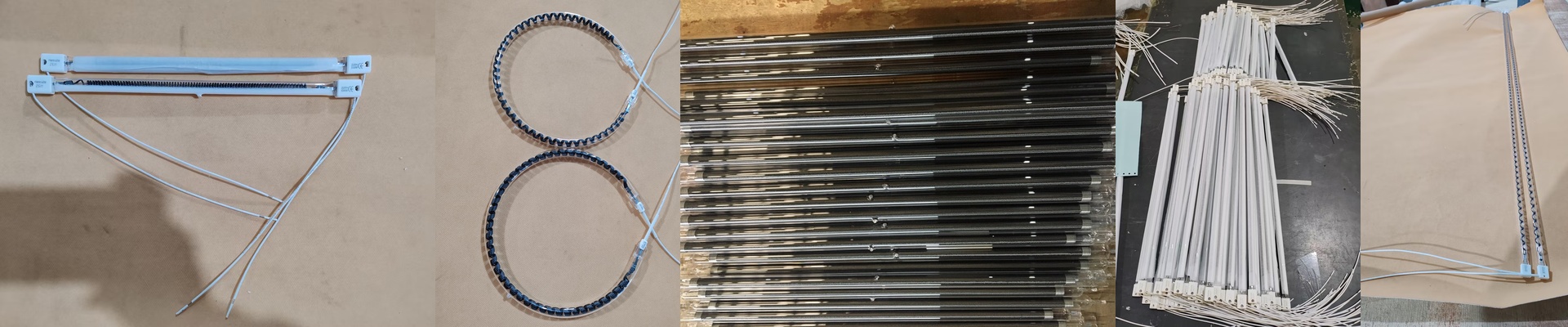
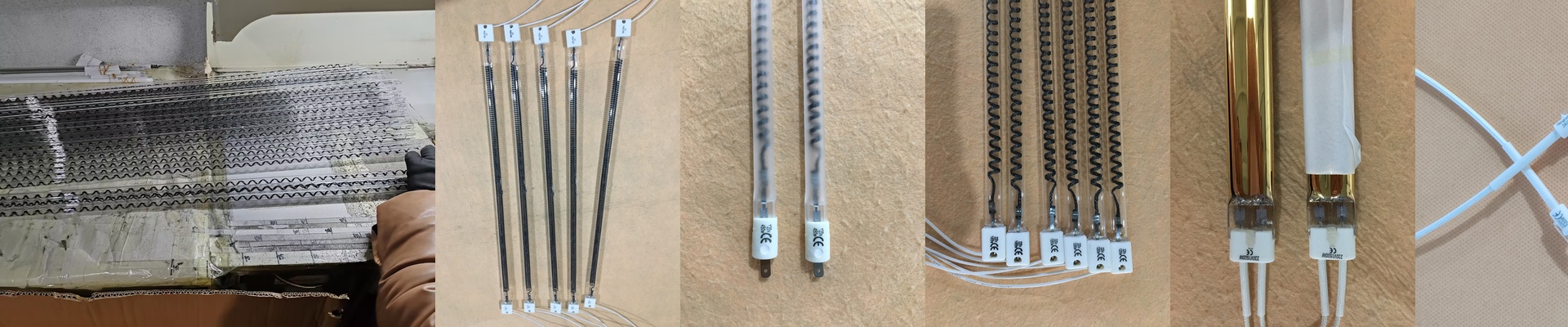
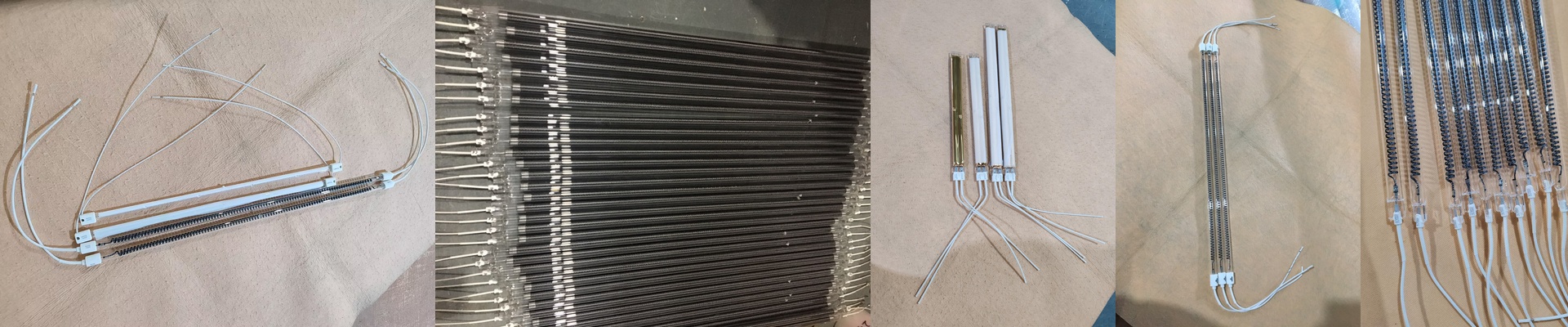
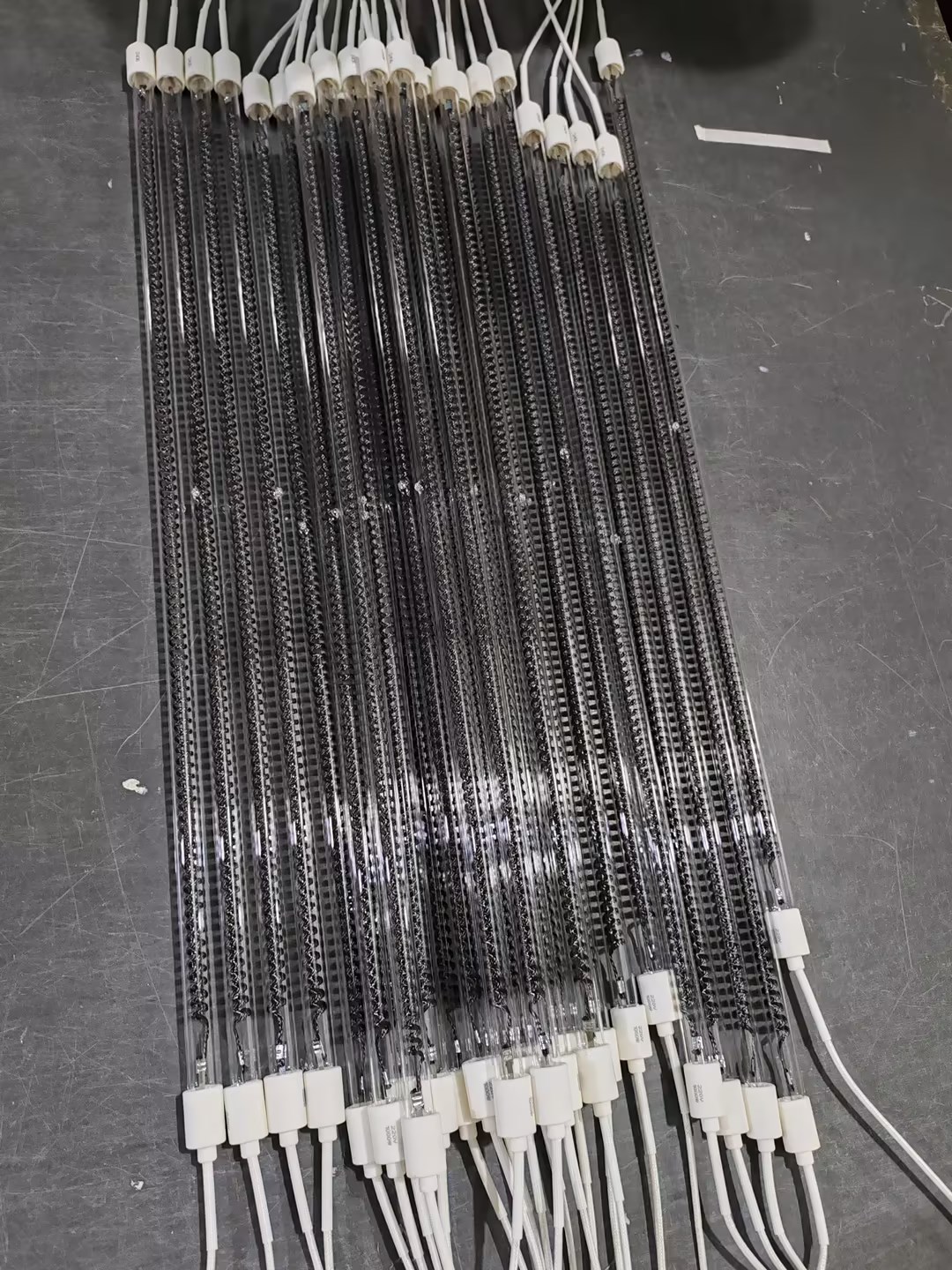
Let’s Talk About R7s Carbon Fiber Heating Elements
If you’ve ever dealt with standard tungsten filaments, you know the drill. They take their time to warm up. But these carbon fiber infrared lamps? They’re a different beast. They hit their operating temperature almost instantly. The secret is the carbon fiber. It handles higher current densities without just giving up and burning out, which means you get heat—and you get it now.
Getting Them Set Up
The R7s base is a lifesaver here. It’s a simple push-in connector. No soldering. No crimping messy leads. You just slide the lamp into the socket and you’re good to go. It makes swapping them into your industrial heater banks a breeze. Now, a quick tip on the power side: the wattage and voltage are what drive that heat flux. High-wattage tubes give you that intense short-wave radiation that actually sinks deep into your materials. Just make sure your power supply can handle that first big surge of current when you flip the switch.
The Nitty-Gritty: Quartz and Carbon
We wrap the carbon fiber filament in high-purity quartz. Why? Because quartz doesn’t freak out when the temperature swings wildly from cold to hot. And here is the cool part: carbon fiber doesn’t see its resistance spike nearly as much as tungsten does when it heats up. That gives you a much steadier, more predictable heat output. One thing to watch out for, though. Carbon fiber is a bit sensitive to vibration. If your machinery shakes like crazy, you’ll want some decent dampening mounts. Otherwise, you risk snapping the filament.
Using Them in the Real World
You’ll see these all over the place—PET blowing, plastic welding, drying lines. The biggest perk is the lack of warm-up time. You turn it on, and you’re working. It saves a ton of wasted time at the start of a shift. But be careful. Because these lamps concentrate heat so well, that quartz tube getsinsanely hot. Give your workpiece some breathing room. If the lamp is too close, you’ll melt your substrate or crack the tube. Also, make sure there’s plenty of airflow around those R7s sockets so they don’t cook themselves.