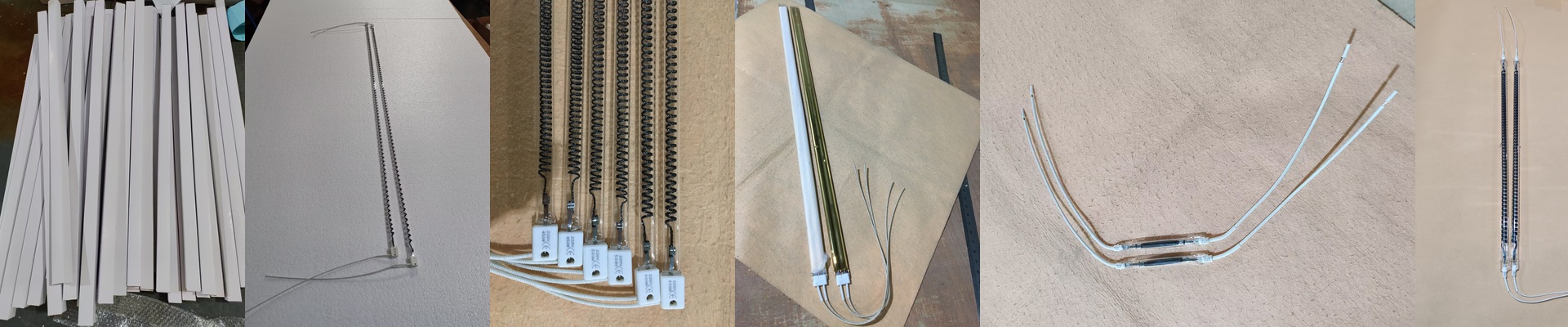
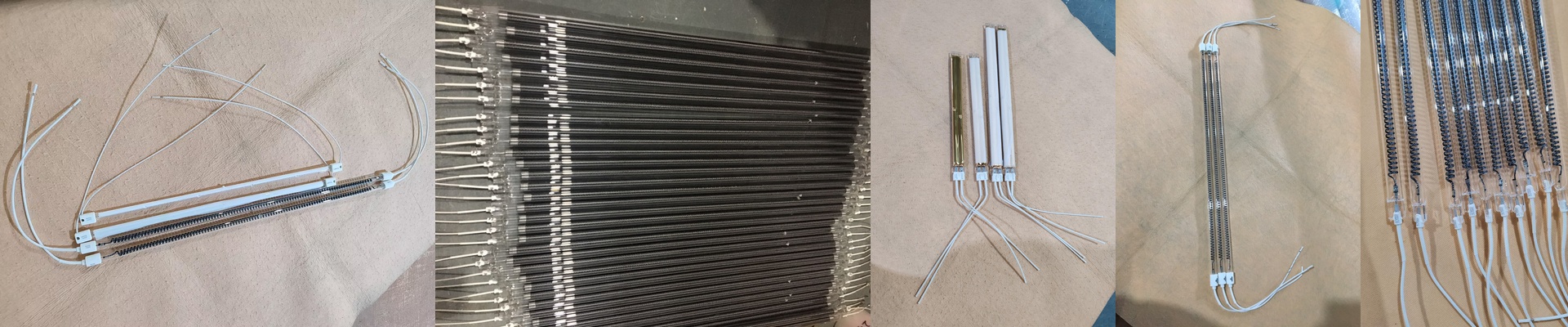
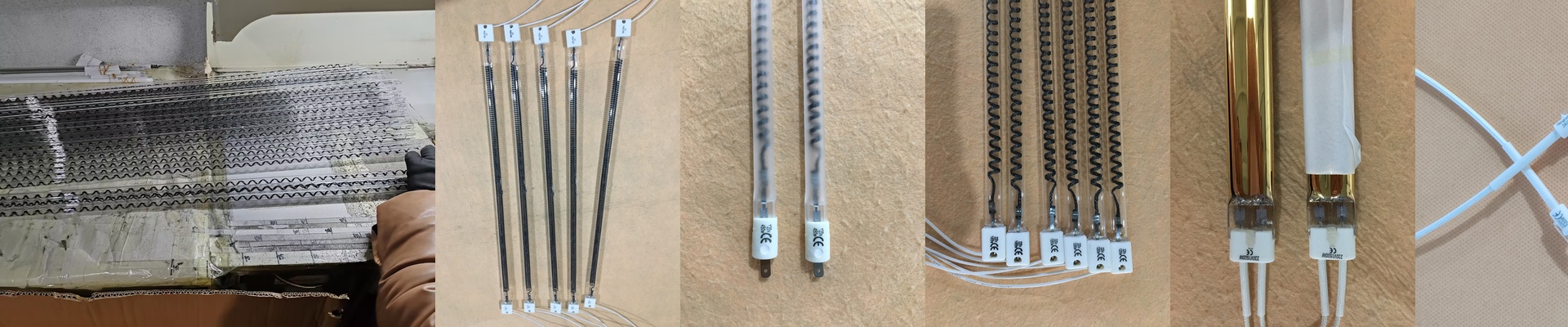
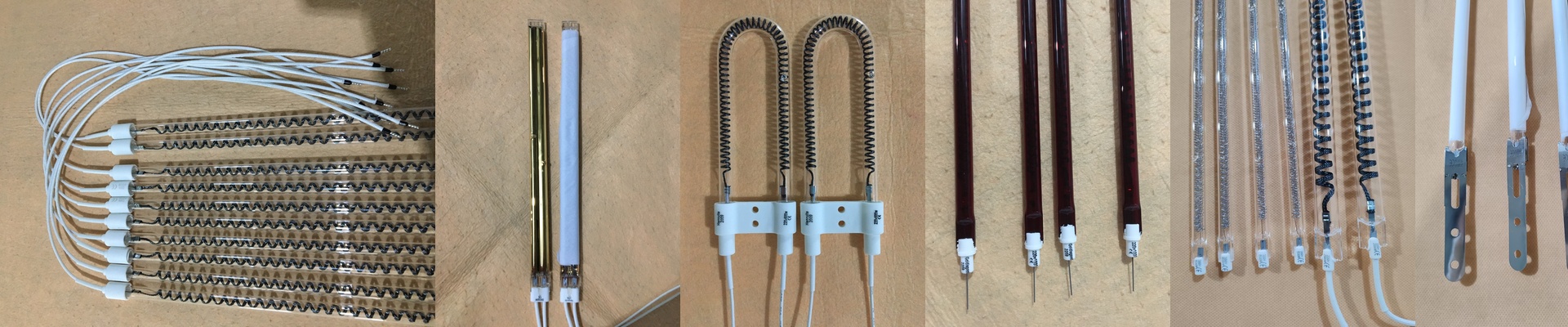
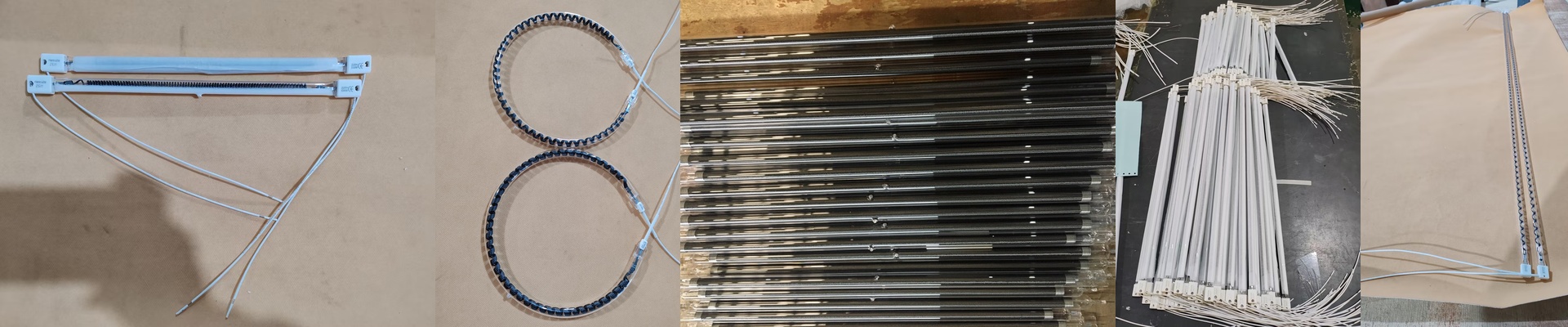
Let’s Talk Carbon Fiber Medium-Wave IR Emitters
Most people are used to the old-school tungsten coils for heating. But we’ve swapped that out for a carbon-fiber composite filament. Why? Because sometimes you need the heat to actually sink into the material rather than just searing the top layer. It’s the difference between a flash-fry and a slow roast.
How the heat actually works
Short-wave lamps are like a heat blast—they hit the surface hard and fast. Medium-wave is different. It operates on a frequency that organic materials and plastics actually “like” to absorb. The real win here is the carbon fiber. It keeps the temperature steady across the whole tube. No weird hot spots. No warped plastic. Just a nice, even soak of heat.
The nuts and bolts
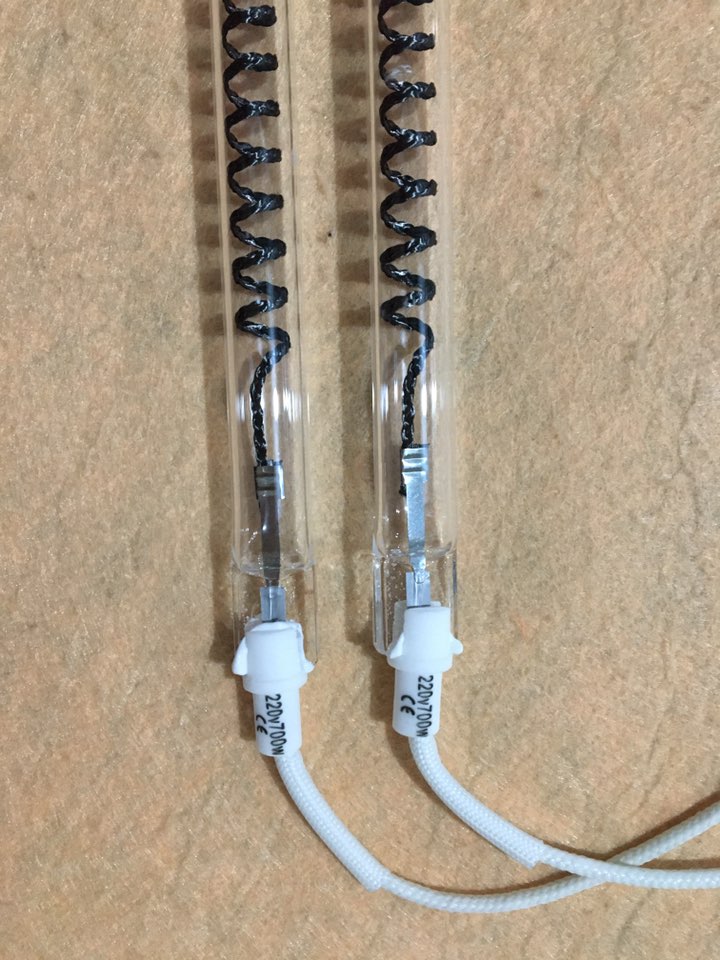
We wrap that filament in high-purity quartz. It’s tough. It handles the shock of powering up without cracking under the pressure. And because carbon fiber doesn’t cram as much power into every millimeter as halogen tubes do, these things tend to last a lot longer. You aren’t replacing them nearly as often. One quick tip on the setup: they usually come with standard industrial connectors, so swapping them out is a breeze. Just double-check your controllers if you’re building a big array. Carbon filaments have their own way of handling resistance—they don’t act like your typical wire.
Where they shine (and where they don’t)
If you’re drying coatings, curing adhesives, or prepping PET plastics, these are your best friend. Since the heat penetrates deeper, you aren’t standing around waiting for the core of your part to finally warm up. But here is the trade-off. They don’t snap to full heat instantly like a halogen lamp does. There’s a slight ramp-up. So, if your process needs a “hit it and quit it” burst of intensity, these might feel a bit slow. But for most of us, trading that instant burst for a longer lifespan and heat that actually stays uniform is a deal we’re happy to make.