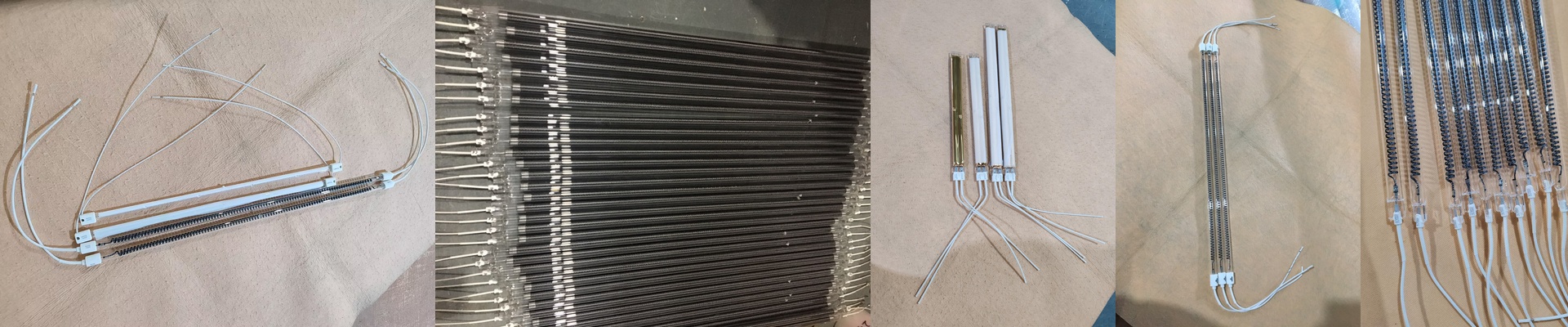
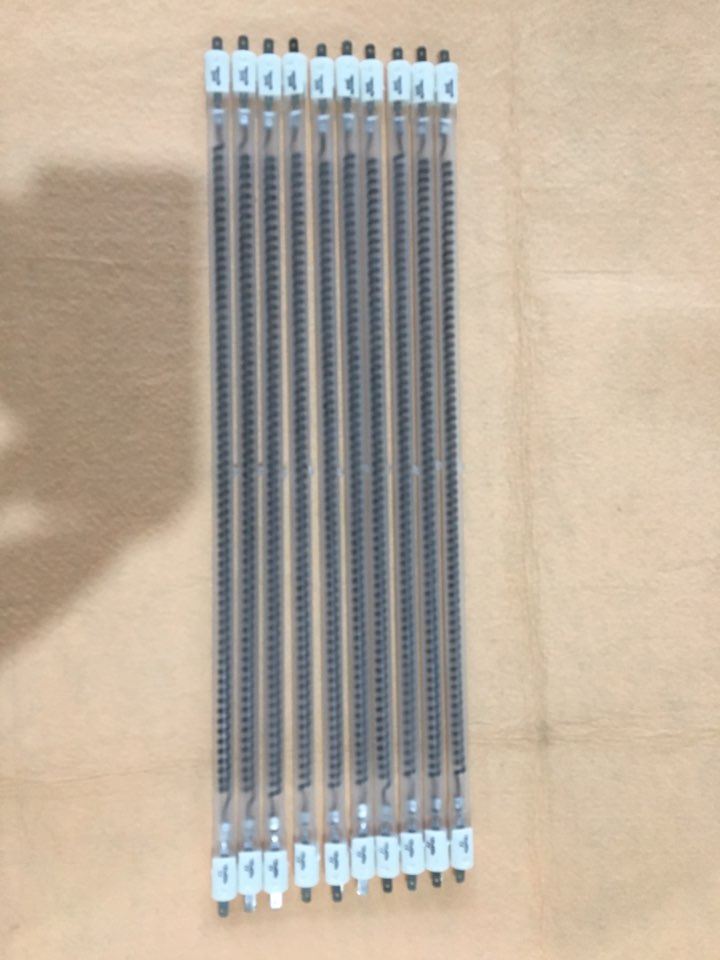
Getting the Most Out of 300mm Carbon Fiber Tubing
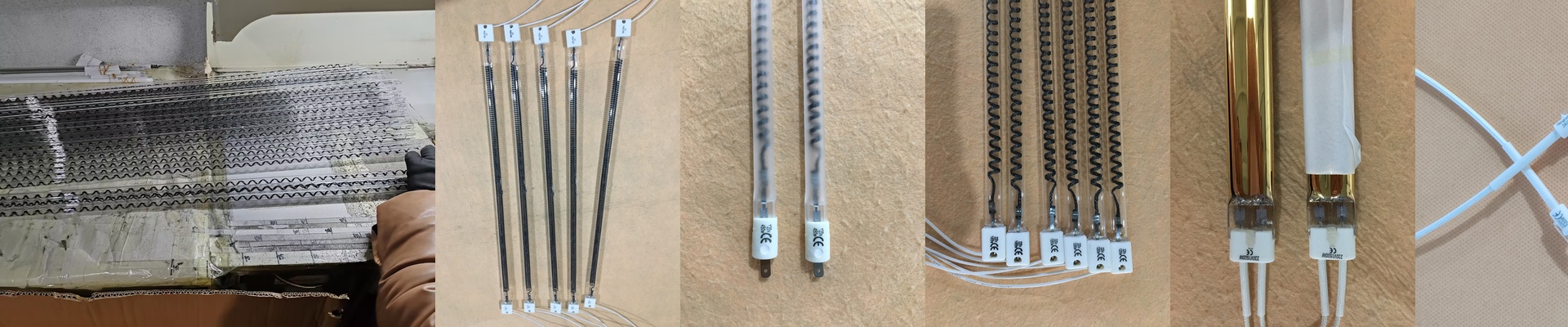
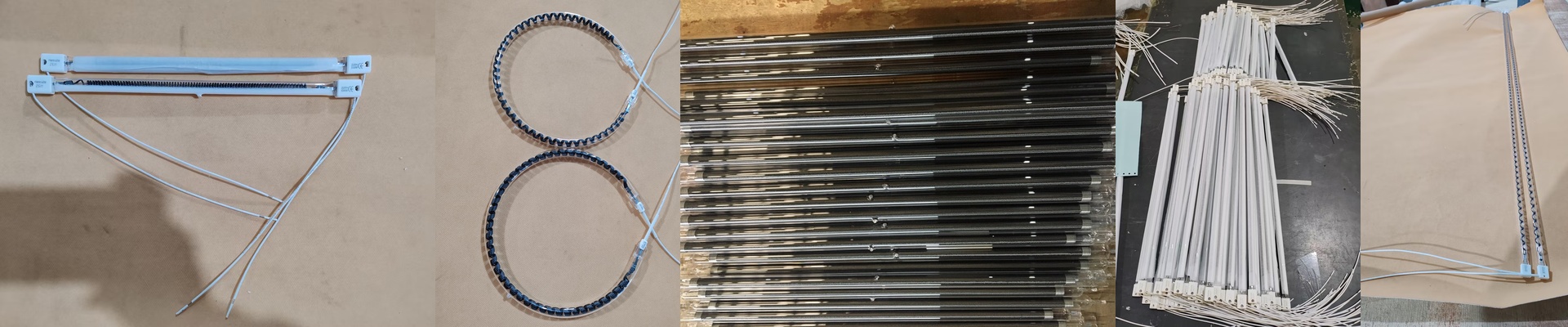
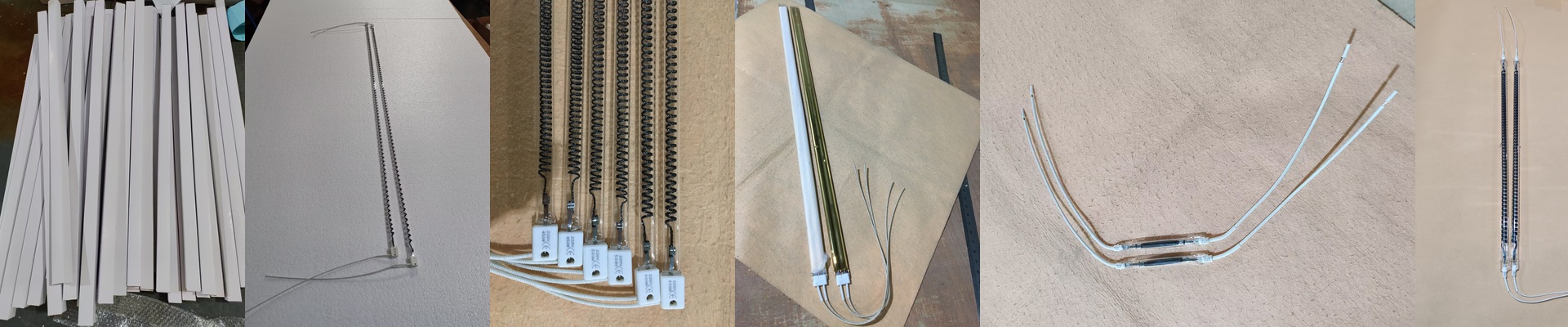
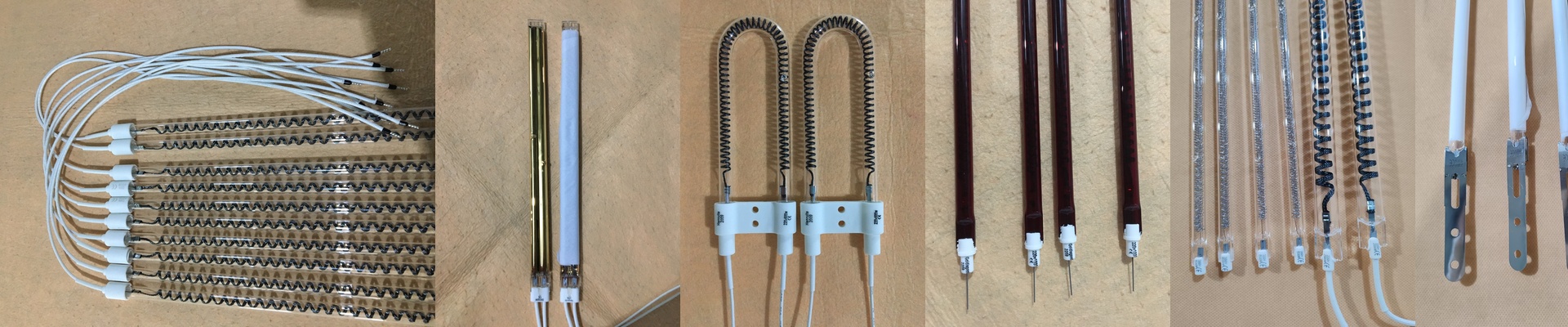
We make 300mm carbon fiber tubes for those moments when you absolutely cannot afford for your gear to bend, but you also can’t afford for it to be heavy. These aren’t just basic poles—we usually see them tucked into heating setups or acting as the backbone for chassis in high-heat zones. The nitty-gritty on the build The 300mm length is a sweet spot for modular industrial projects. We use a high-modulus weave held together by epoxy or thermoplastic resins. The result? It’s incredibly light. Way lighter than steel or aluminum, but it holds its own. Since we run the fibers lengthwise, the tube stays stiff and resists bending even when you’re putting some real pressure on it. Dealing with heat and electricity Here is something you need to keep in mind: carbon fiber conducts electricity. If you’re using these as supports right next to high-wattage heaters, you’ve got to plan for that electrical path. We see these used a lot in heating arrays where the material has to handle rapid temperature swings without losing its shape. And unlike metal, these tubes don’t really “grow” or shrink when things get hot. They stay straight. You won’t have to deal with that annoying bowing or creeping you get with plastics or thin metal when the temperature spikes. The trade-offs (and how to avoid a headache) Now, it’s not all magic. Carbon fiber is stiff, but it can be brittle. It doesn’t dent—it cracks. If your team is rough with the parts during installation or if they’re prone to heavy impacts, you might end up with some splinters in the outer wall. Just handle them with a bit of care. Plus, when you’re wiring up your heating system, make sure the tube is isolated if you have high-voltage lines running nearby. If your insulation gets stripped and hits the carbon, you’re looking at a short circuit. But for most of the engineers we work with, that’s a fair trade. It’s a lot better than having a 300mm component that sags the moment it hits 150°C.