The Secret to Keeping Pizza Hot (Without Ruining the Crust)
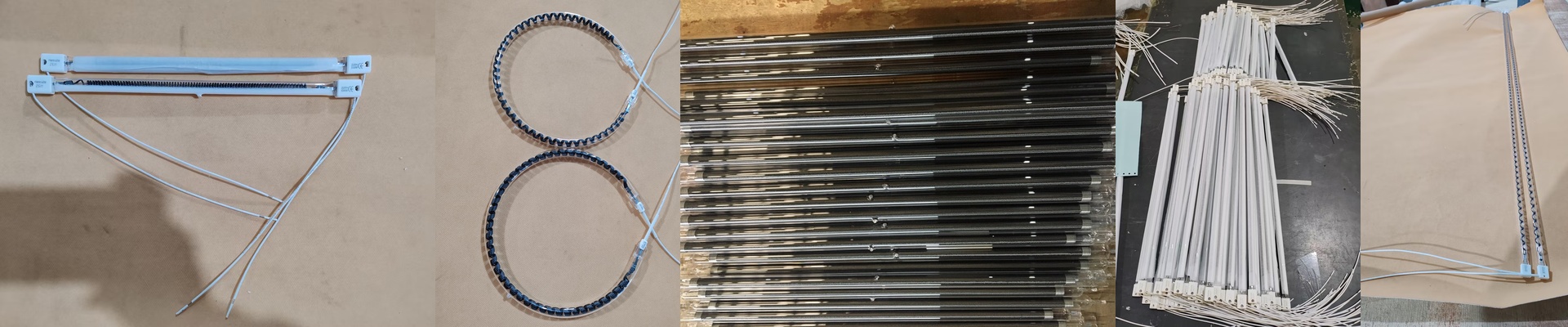
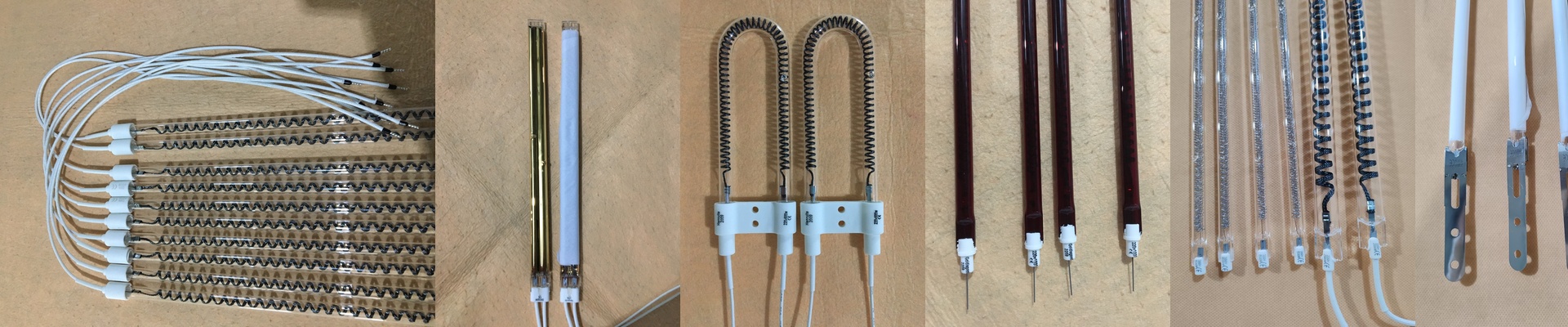
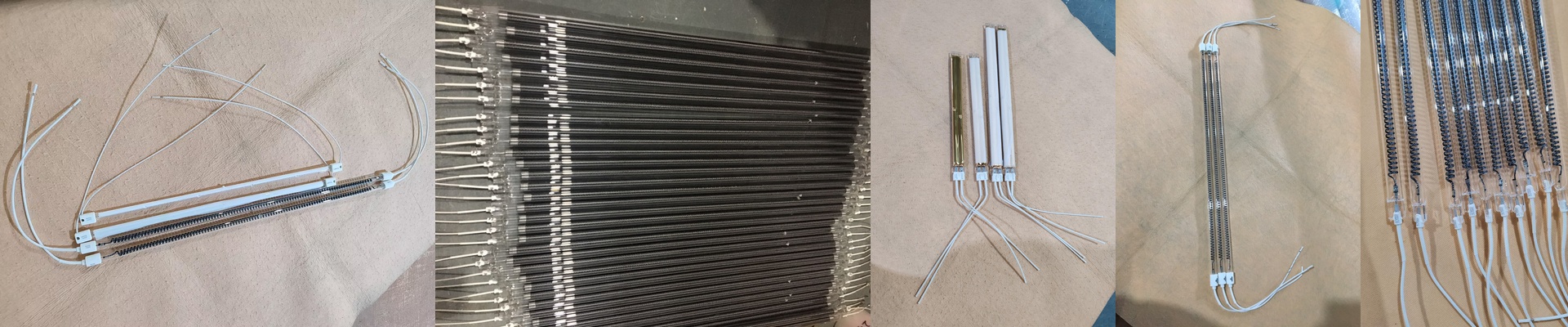
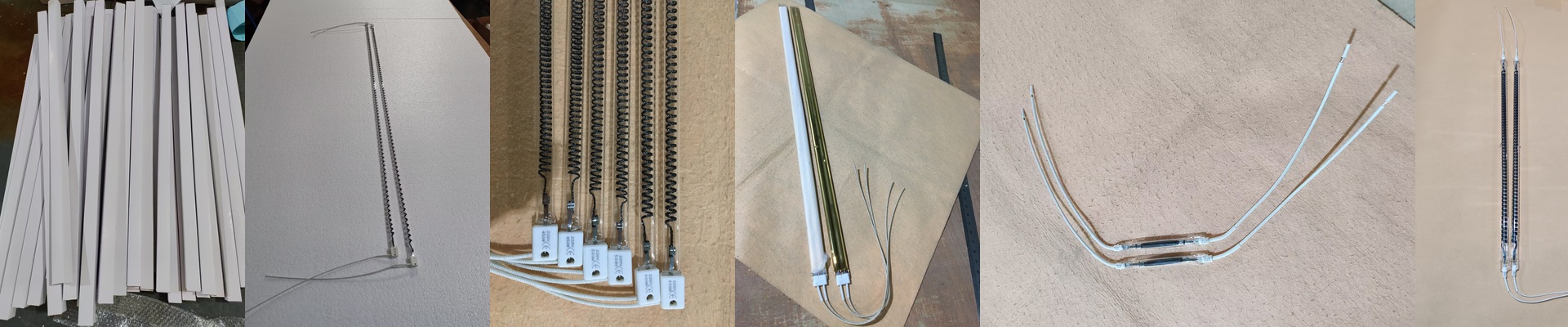
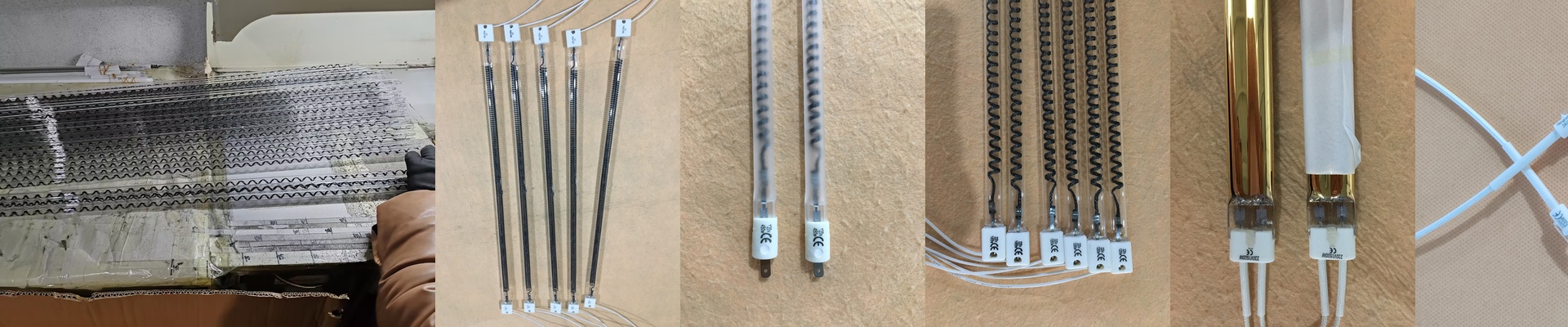
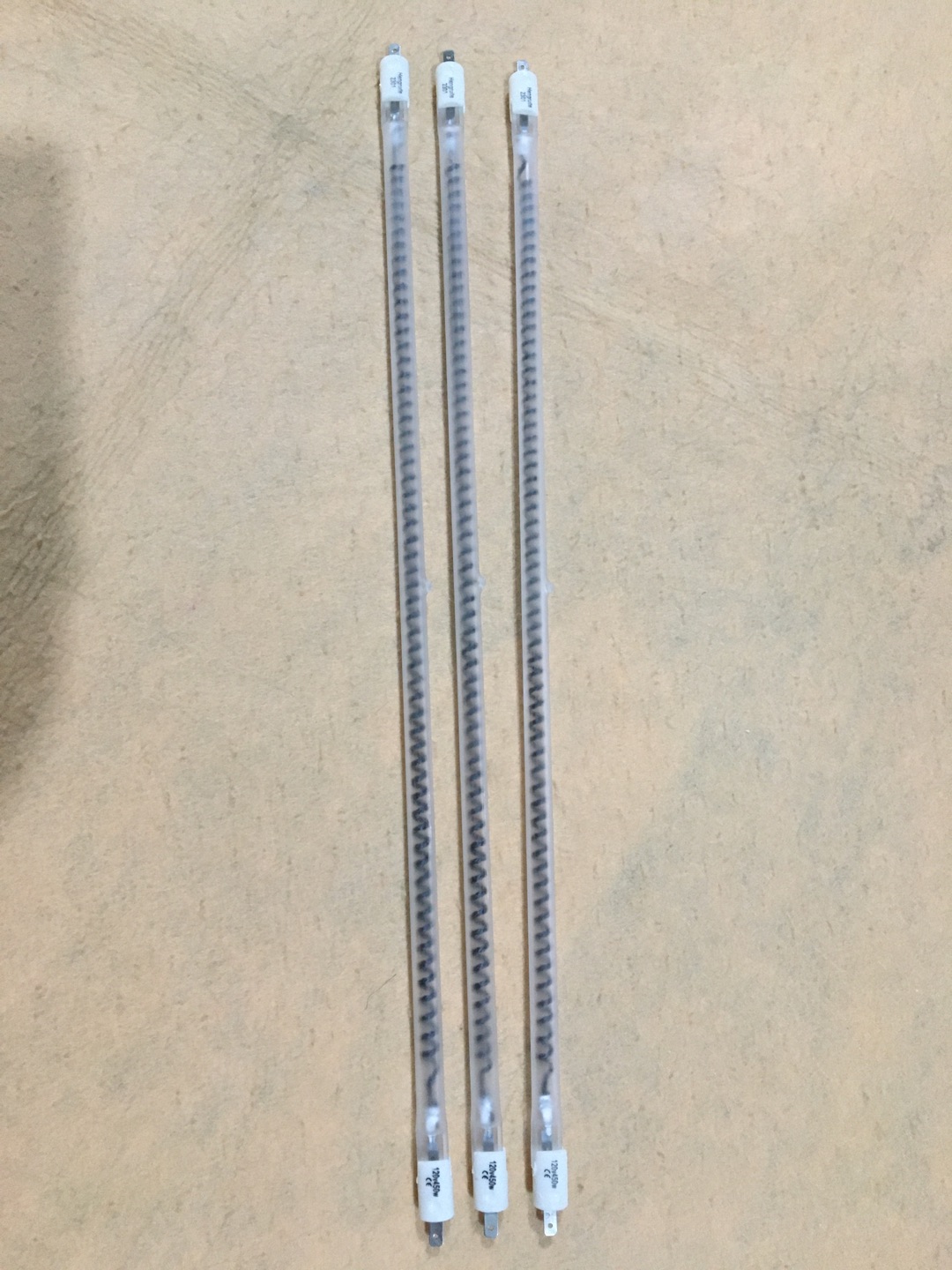
Nobody likes a pizza that’s gone cold, but nobody likes a “dried-out” crust either. That’s the tightrope we walk when we design our carbon fiber heating lamps. Most people are used to standard quartz heaters, but we do things a bit differently. We use a carbon fiber filament tucked inside a quartz tube. It changes how the heat actually hits the food, pushing more energy directly into the surface of the pizza rather than just heating up the air around it. Getting the heat just right When a pizza comes out of the oven, you’re in a race against the clock. You need enough punch to keep that cheese gooey and melted, but you can’t blast it so hard that you burn the top. We tune the wattage and voltage to fit right into a standard commercial kitchen setup. High-wattage tubes get hot fast. Just a heads-up: make sure your wiring is up to the task. There’s nothing worse than tripping a breaker right in the middle of a Friday night rush. What’s actually inside the lamp? The magic is in the carbon fiber. It can handle way more heat than the old-school tungsten filaments without burning out. We wrap that filament in high-purity quartz because it’s practically invisible to infrared radiation. The heat just slides right through the glass and goes straight into the pizza. This keeps the lamp housing from getting dangerously hot. And because we know kitchens are chaotic, we use R7s plug-and-play connectors. If a lamp dies, you just pop it out and slide a new one in. No rewiring, no downtime, no headache. A few things to keep in mind These lamps last longer than halogen ones, but they aren’t invincible. Here’s the thing: grease is the enemy. If food debris or oil builds up on the glass, it creates “hot spots.” That puts a ton of stress on the quartz, and eventually, it’ll crack. Keep them clean, and they’ll treat you well. Also, since these put out a lot of concentrated heat, make sure your fixtures have plenty of breathing room. Proper ventilation keeps your sockets from melting under pressure.