Let’s Talk About Clear Carbon Fiber FIR Lamps
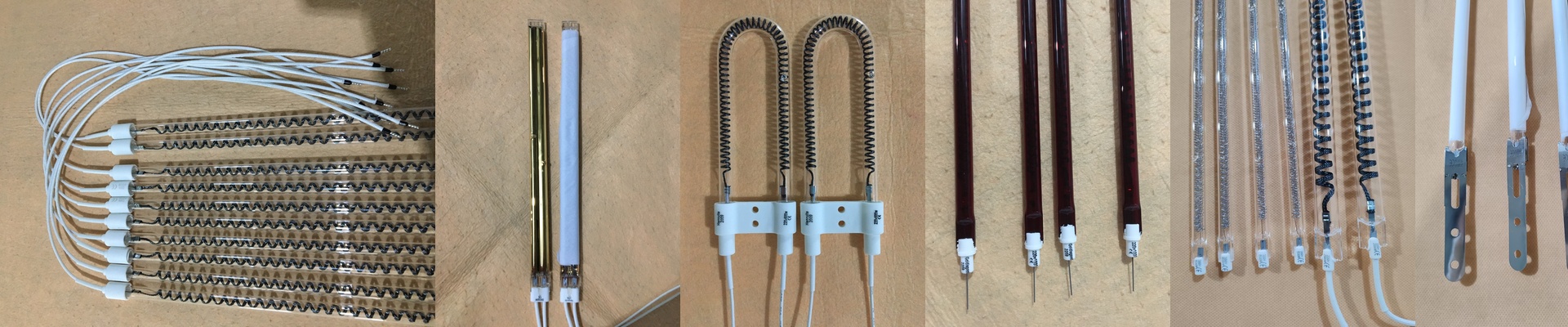
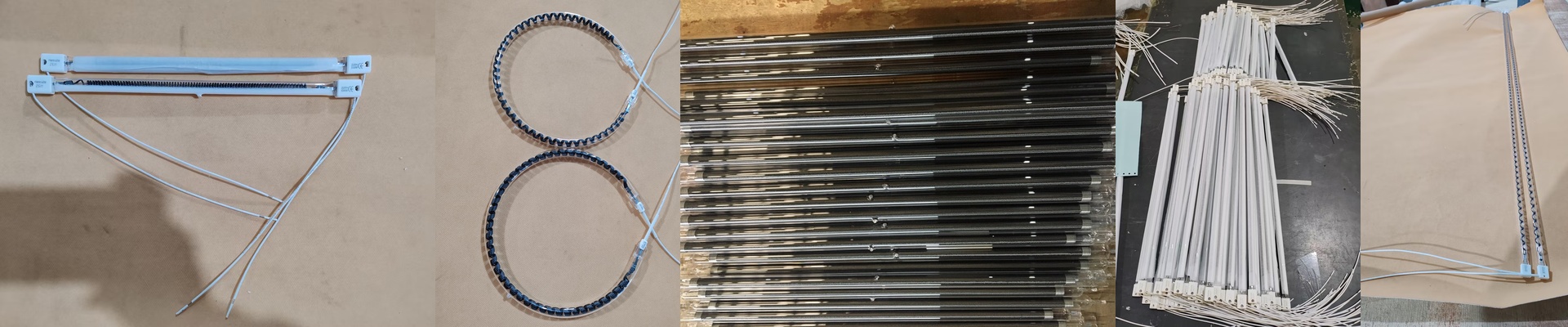
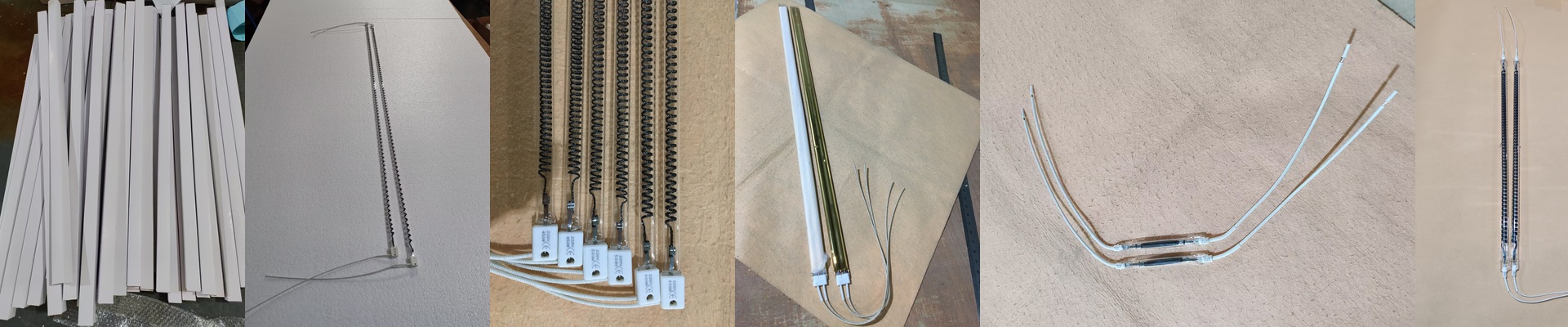
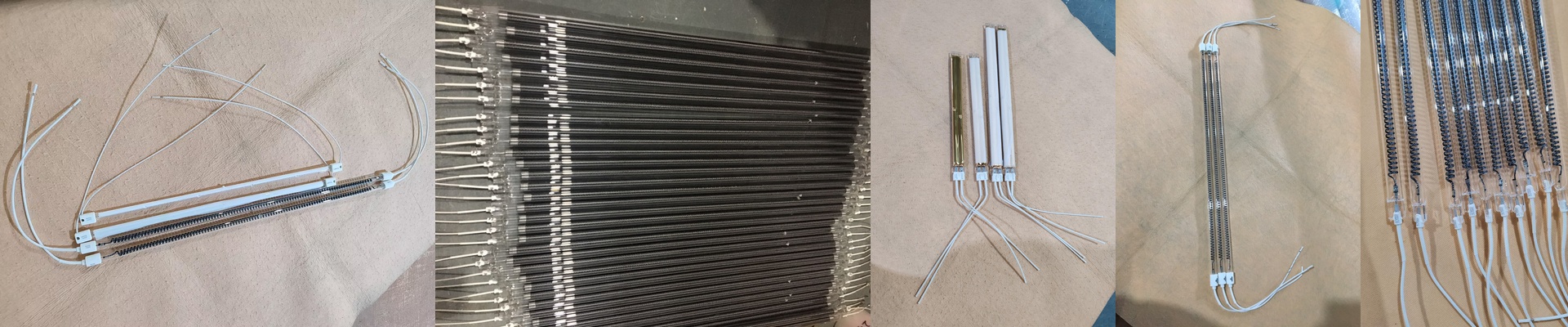
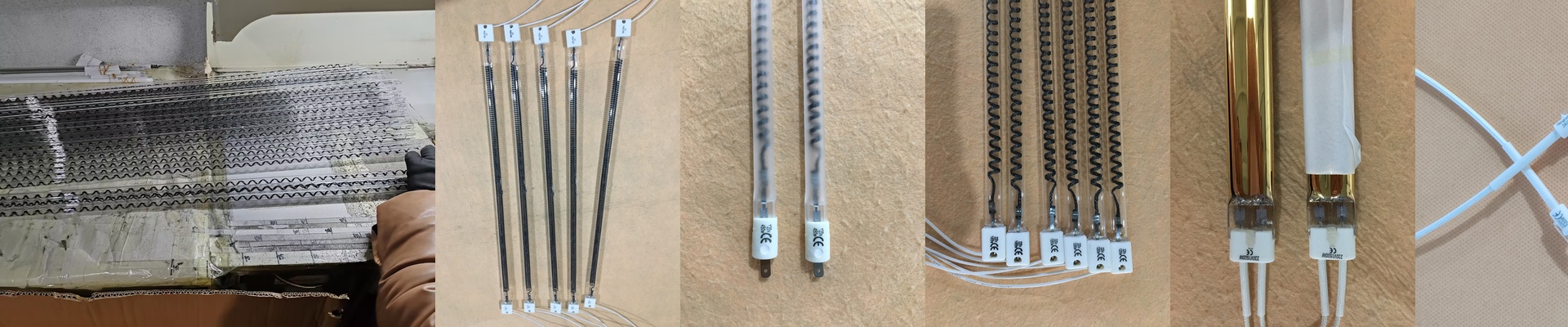
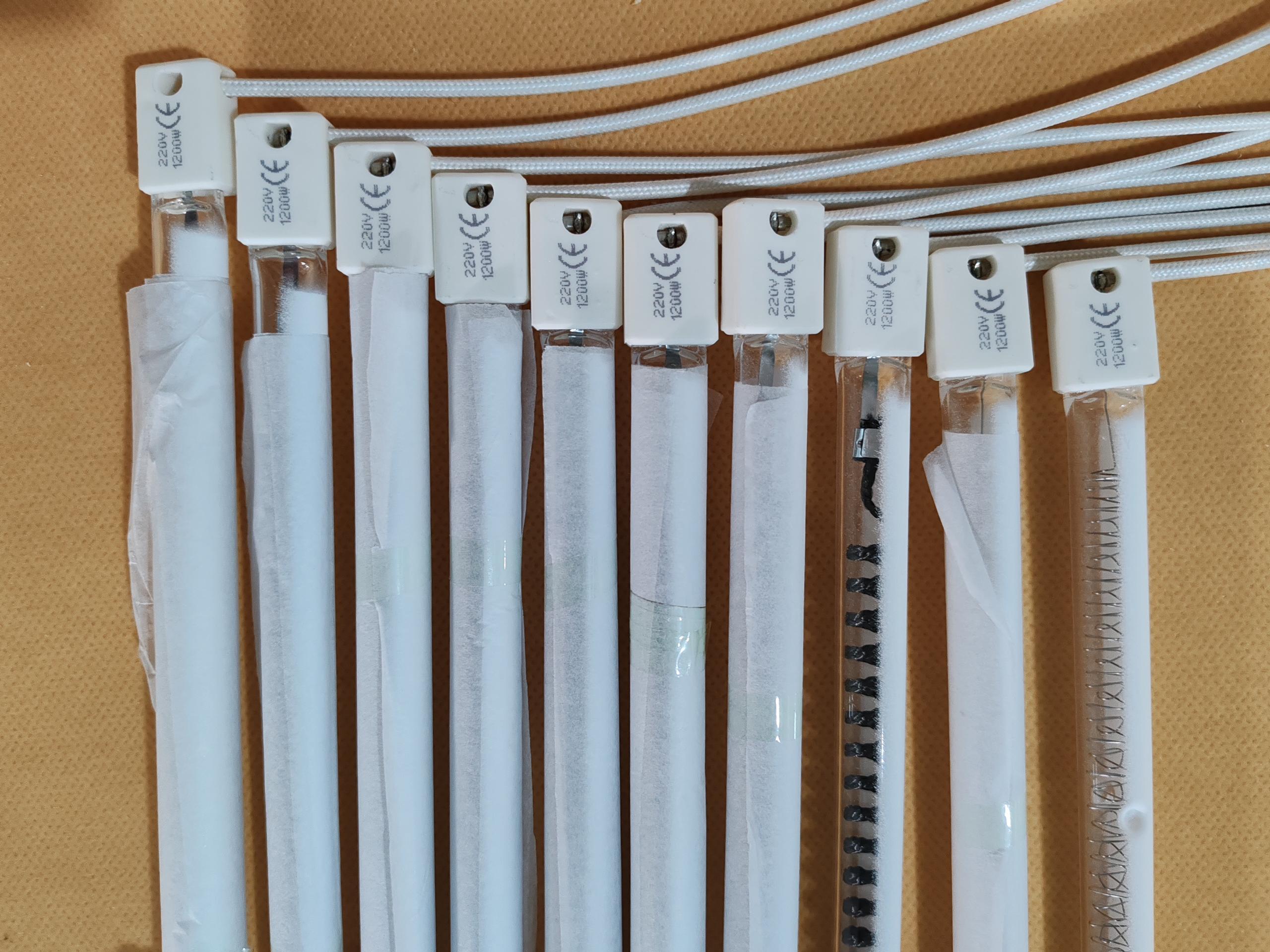
If you’ve ever dealt with shortwave heating, you know the struggle. You want the center of your part hot, but by the time that happens, the surface is already scorched. It’s frustrating. That’s why we build these clear carbon fiber far infrared (FIR) lamps. Instead of those old-school metal coils, we use a carbon fiber filament tucked inside a high-purity quartz tube. The result? Heat that actually sinks deep into the material without burning the outside. Getting the power right Here is the thing about carbon fiber: it doesn’t need to get as blistering hot as tungsten to do its job. It just pushes more of its energy into that far-infrared spectrum where it’s most useful. When you’re picking your lamps, it’s all about the balance of wattage and voltage. If you need to hit your target temperature fast, go for higher wattage densities. But be careful with your power supply. It has to be an exact match. If you under-power them, you’ll get weird cold spots. Over-power them? You’ll pop the filament instantly. Not a great way to start the morning. Fitting them into your setup We use clear quartz glass because it lets the FIR radiation pass through without any interference. We don’t add coatings here—we just give you the raw output. Wiring them in is the easy part. We use standard R7s or SK15 connectors, so they usually just slide right into your existing industrial heating banks. No need to rip out your chassis or spend hours modifying your gear. Plus, carbon fiber doesn’t sag like metal wires do. Your heat profile stays the same from day one to year two. The trade-offs These are absolute beasts for PET blowing, drying, and curing. If you need heat to “soak” into the core of a part, this is your tool. But, there is a catch. Quartz is fragile. It can’t handle a heavy blow or a splash of nasty chemicals. If your shop floor is a bit chaotic—think oil splashes or water spray—you’ll want to put a shield around the tubes. Just keep in mind that a shield blocks a little bit of the heat. You might need to bump up the wattage a notch to make up for it.