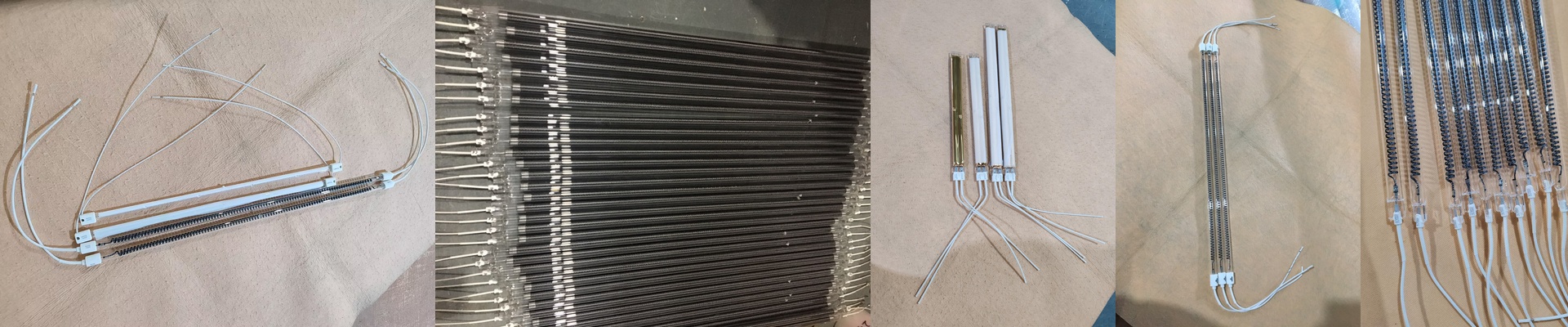
Let’s Talk Carbon Fiber Heat Lamps
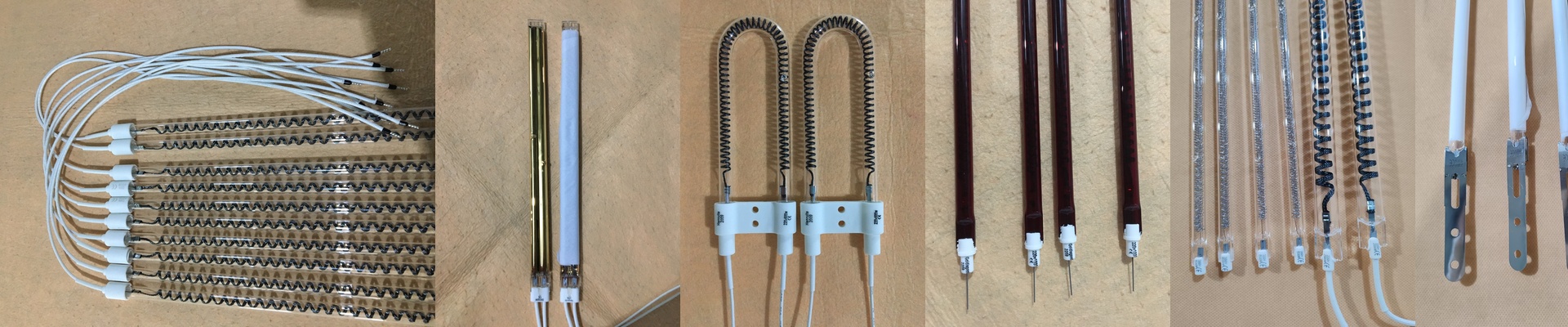
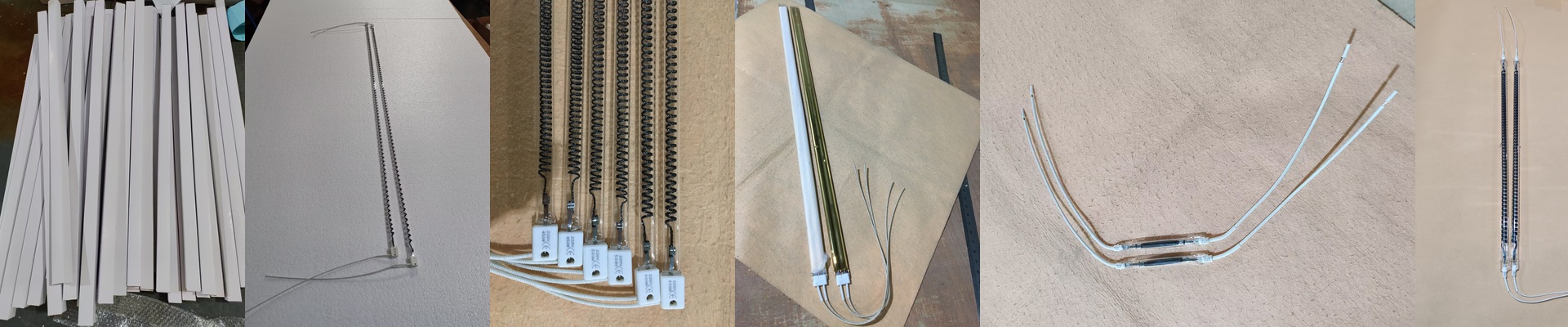
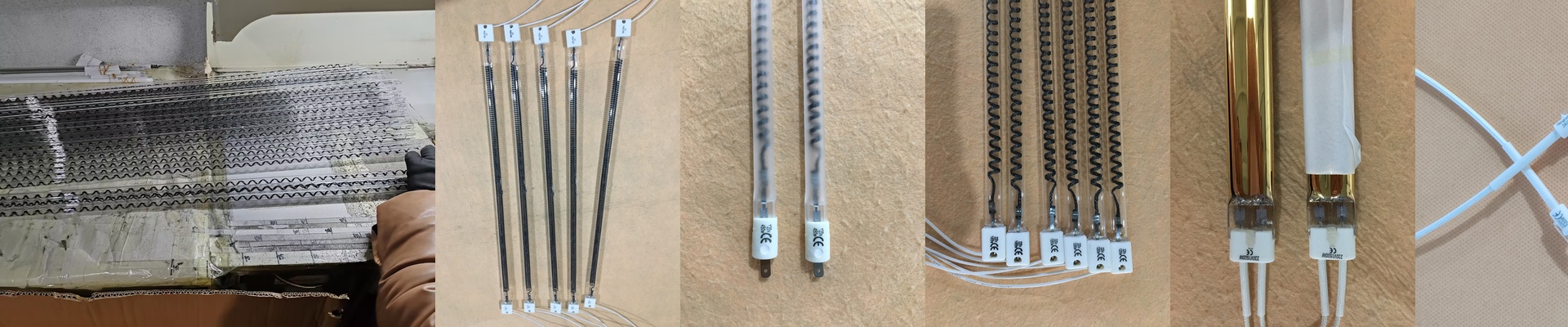
If you’re looking for heat that hits hard and fast, carbon fiber is the way to go. We use a carbon filament tucked inside a quartz tube to push out short-wave infrared radiation. The real magic here is the material. Unlike those old metal alloy filaments that tend to sag or give up when things get too hot, carbon fiber stays put. It handles high current without breaking a sweat. If you need a concentrated heat footprint and you need it now, this is your tool.
Getting the Power Right
Here is the thing: your wattage and voltage have to play nice together. If you cram more wattage into a shorter tube, you get a massive jump in heat flux. That’s exactly what you want for things like PET bottle blowing or rapid curing. But be careful with your power supply. **Don’t try to cheat the system.**If you over-voltage the filament just to get a bit more heat, you’re basically killing your lamp. You’ll get the warmth you want, but the lamp will burn out way sooner than it should.
What’s Under the Hood?
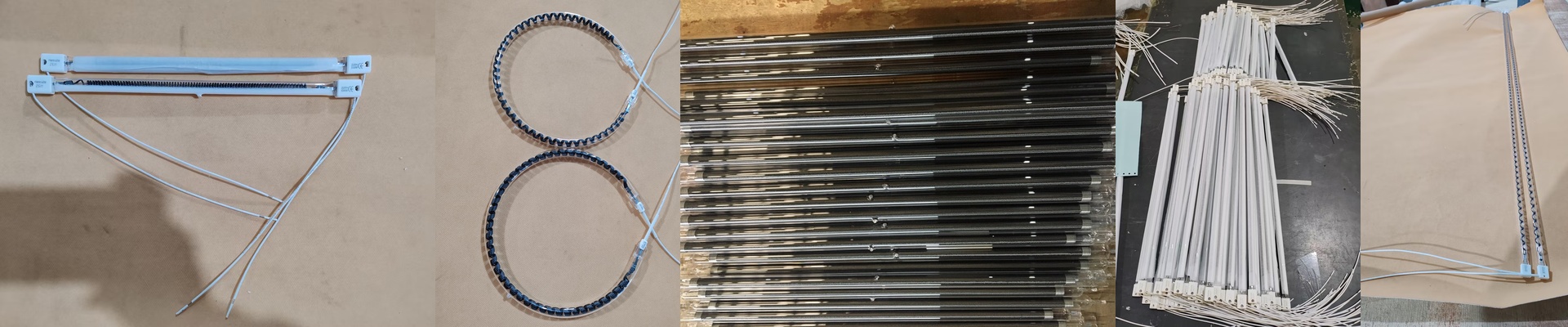
We use high-purity quartz glass for the tube because it lets the IR rays pass through without getting blocked. Inside, that carbon fiber element does the heavy lifting. It spreads the heat evenly across the whole length, which is a huge step up from the uneven spots you get with halogen wires. Then there are the end-caps. Whether you’re using R7s or Sk15 connectors, make sure the fit is snug. A loose connection isn’t just a nuisance—it creates hotspots that can actually melt your socket. Not a great look.
Real-World Use
These lamps are great because you can just drop them into setups designed for older ceramic or metal heaters. The first thing you’ll notice is the pre-heat time. It disappears. But there’s a catch. Because these lamps are so intense, your reflectors have to be spotless. A little bit of dust or some oxidation on the mirror, and your efficiency just tanks. And one last tip: check your cooling fans. Make sure they’re actually rated for the housing you’re using. If the ambient heat builds up too much, your external wiring will start to degrade. Use these when you need “instant-on” heat and you want total control over exactly where that heat goes.