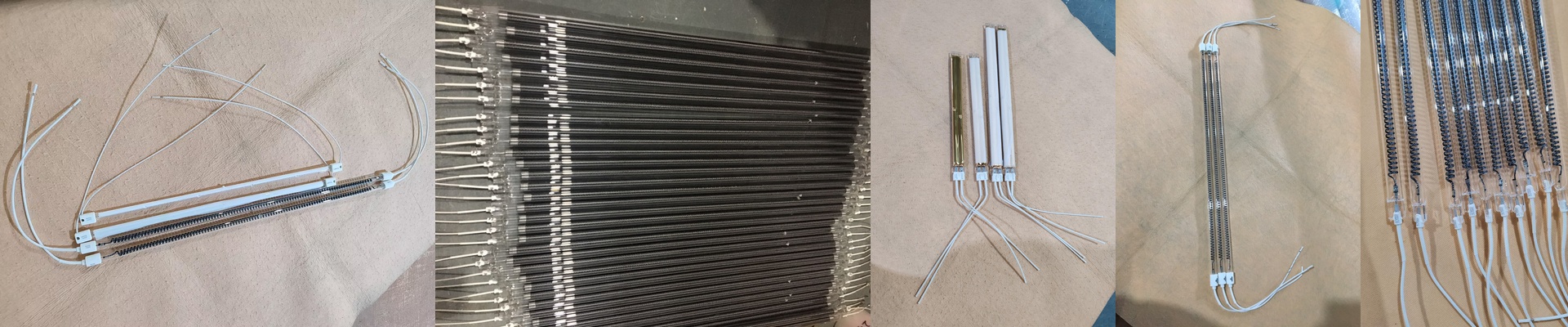
The 650mm Carbon Fiber Halogen Heat Lamp: Built for the Heat, Not the Hype
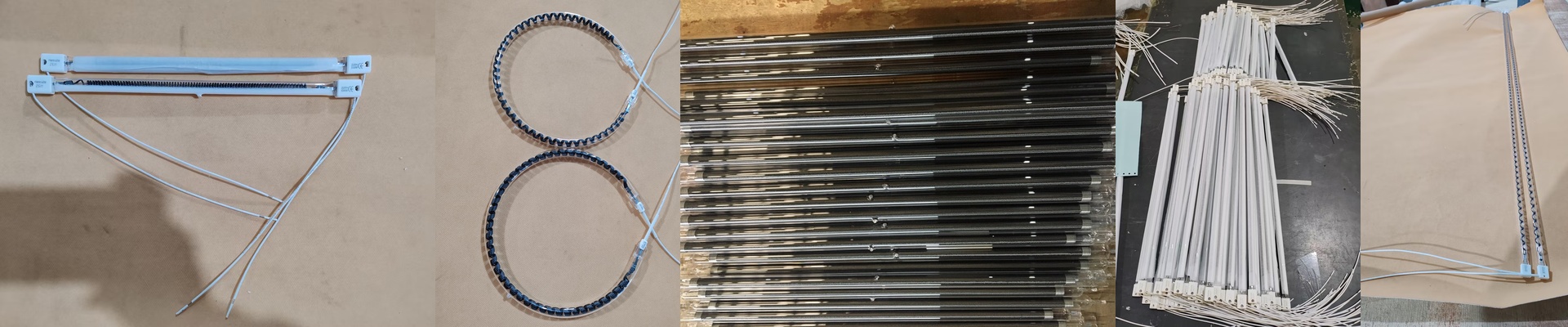
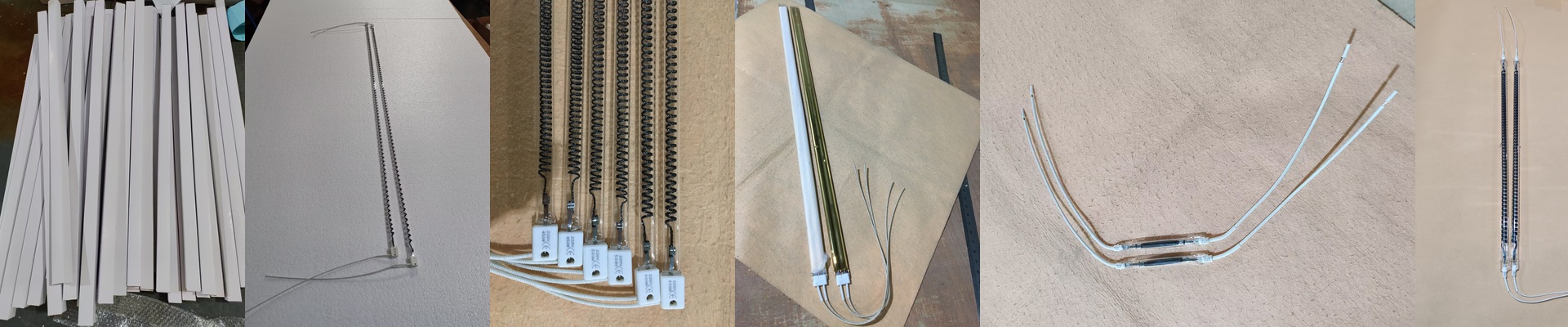
Let’s cut right to it. We built the 650mm carbon fiber heat lamp for one reason: to solve tough industrial heating problems where space is tight and you need serious, focused heat. This isn’t your average bulb. It’s a purpose-built workhorse, designed to deliver consistent, repeatable heat inside machine enclosures and right on the production line.
Why the 650mm Length? It’s All About the Fit.
The length isn’t random. It gives you a long radiating surface, but keeps the overall footprint slim. So you can slide it into a compact heating zone without having to redesign the whole machine. We matched the power and voltage to standard industrial electrical systems, so you get a ton of wattage packed into a small package. But here’s the thing: this combo delivers some serious heat density. So if your machine is already running warm, you need to plan for airflow. Otherwise, you risk pushing nearby components past their temperature limits.
Inside the Lamp: The Details That Keep It Running
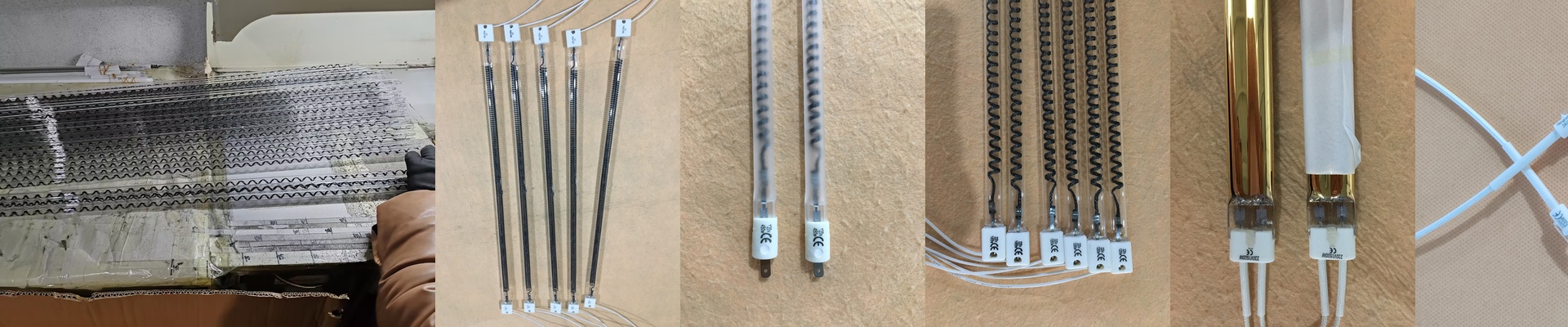
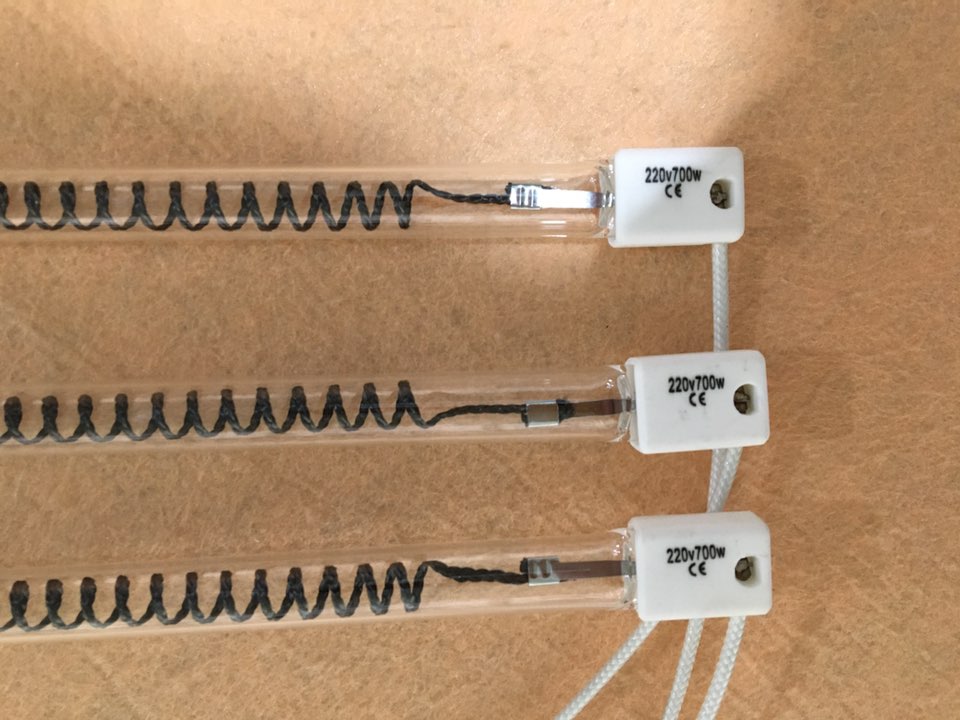
The halogen cycle is the secret sauce. It keeps the filament stable and stops the bulb from blackening over time. That means the heat output stays consistent, which is exactly what you need when you’re trying to hold tight temperature tolerances on the line. And the quartz envelope? It’s tough. It handles the shock of rapid on-off cycling and won’t degrade under intense heat. The R7s connector isn’t just a detail. It gives you a secure, aligned fit and a reliable connection. In the real world, that means faster installs and fewer headaches from bad contacts or misalignment.
Where This Lamp Shines
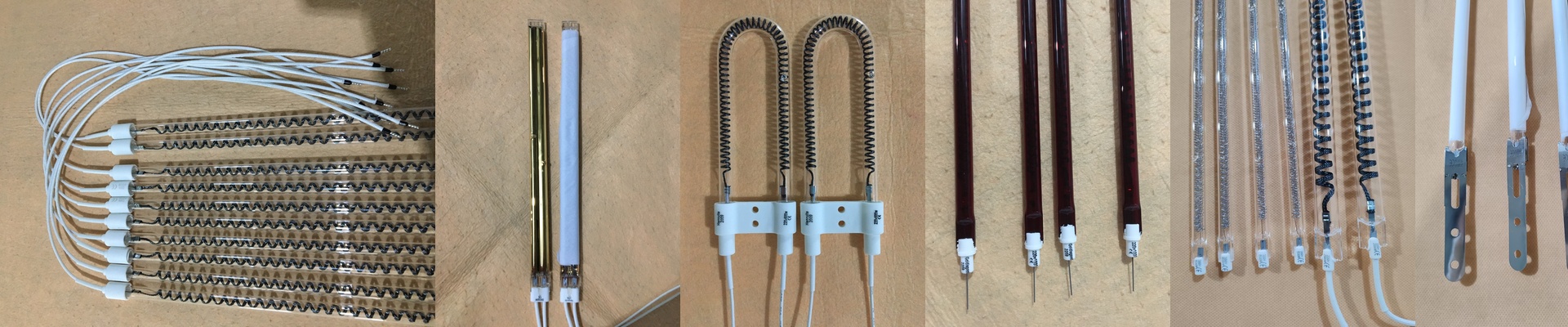
You’ll find this lamp working where you need fast, focused heating. Think preheating components, maintaining process temperatures in tight spots, or supporting drying and curing steps. It’s all about getting heat on demand without having to warm up the entire work area. The carbon fiber structure was chosen for its stiffness and stability. It holds its shape and position, even after repeated heat cycles. But there’s a trade-off. The output is powerful, which means the wiring and nearby components need to be rated for the heat. Plan your mounting, spacing, and cooling before you even think about wiring it up.
The Power and the Heat: A Balancing Act
We designed this lamp to pack a punch in a small space. The 650mm length spreads the heat along a specific zone, and the high wattage gets you to temperature fast. Matching the voltage to your plant’s power system helps keep the current down, which makes the wiring easier and reduces voltage drop. This is a classic give-and-take. High heat density means the lamp runs hot. You have to respect that. Clearances and cooling are non-negotiable. If the enclosure can’t shed the heat, the lamp will still work, but you’ll be gambling with the thermal ratings of everything else nearby.
The Tech That Makes It Reliable
The halogen tech works by sending evaporated material back to the filament, not the envelope wall. The payoff is stable output and consistent resistance over time, which makes your temperature control much more predictable. The quartz envelope stays strong, even when you’re cycling the heat on and off quickly. The R7s base gives you a solid, mechanical connection that locks the lamp in place. It holds steady against vibration and thermal expansion. For you, that translates to fewer checks for hot spots, less time on maintenance, and fewer production stoppages from a loose connection.
The Real-World Advantage
This lamp is for the industrial heating jobs that demand a quick response and pinpoint heat. It’s perfect for preheating parts, keeping process temps steady in a tight zone, or helping with drying and curing. Carbon fiber gives it the rigidity to hold its form under constant thermal stress. The halogen and quartz combo is built for a long life, but only if you give it the space and airflow it needs. So, plan your thermal environment first. The high output is a huge advantage, but it also puts more heat on nearby wiring, sensors, and plastics. Get your cooling and spacing right, and you get performance you can count on, day after day.