Getting PET Preforms Just Right with Carbon Fiber Heat
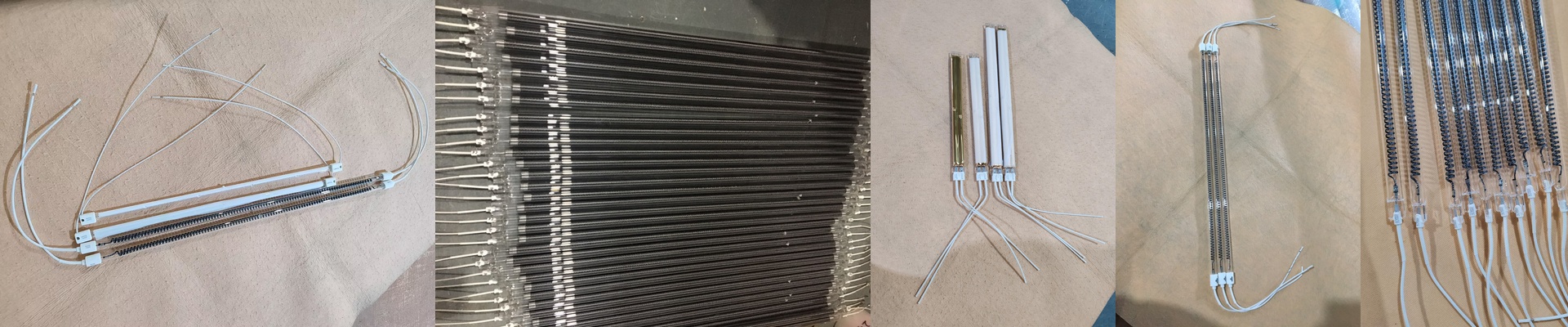
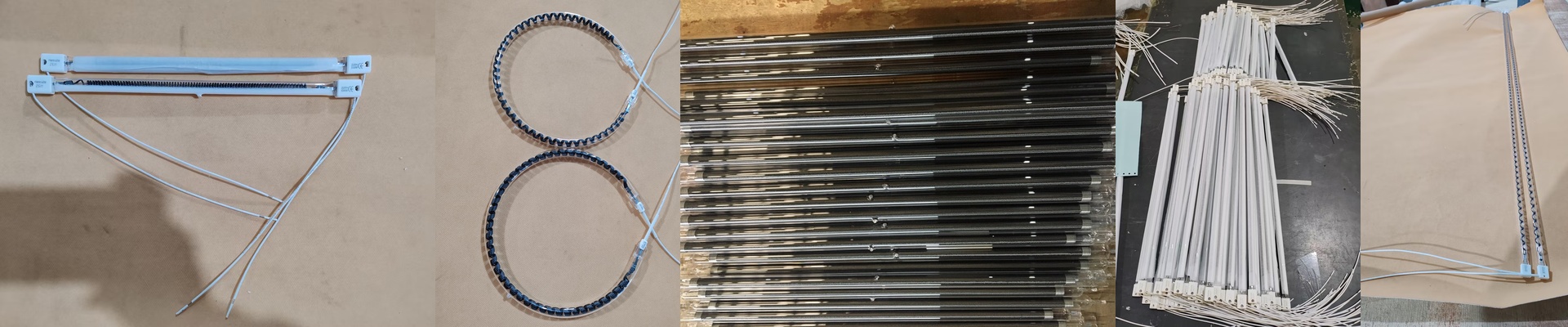
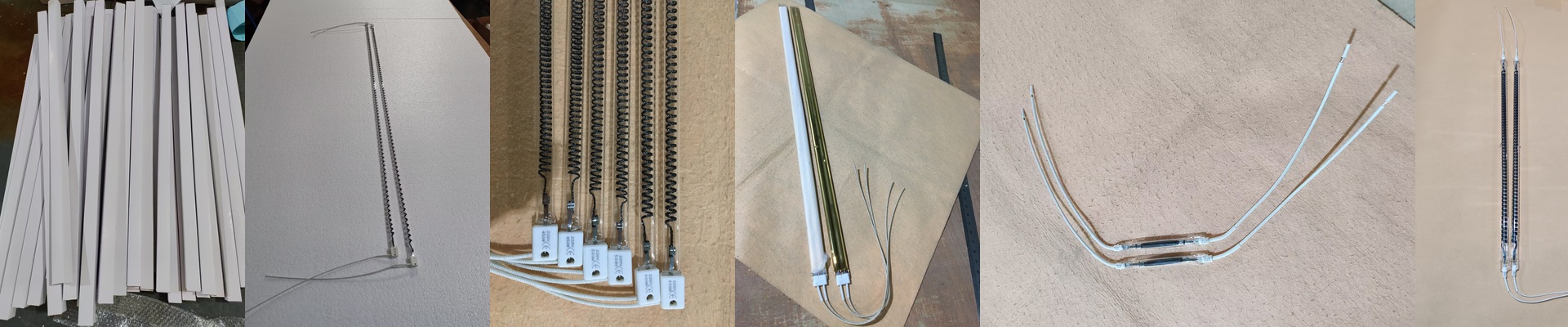
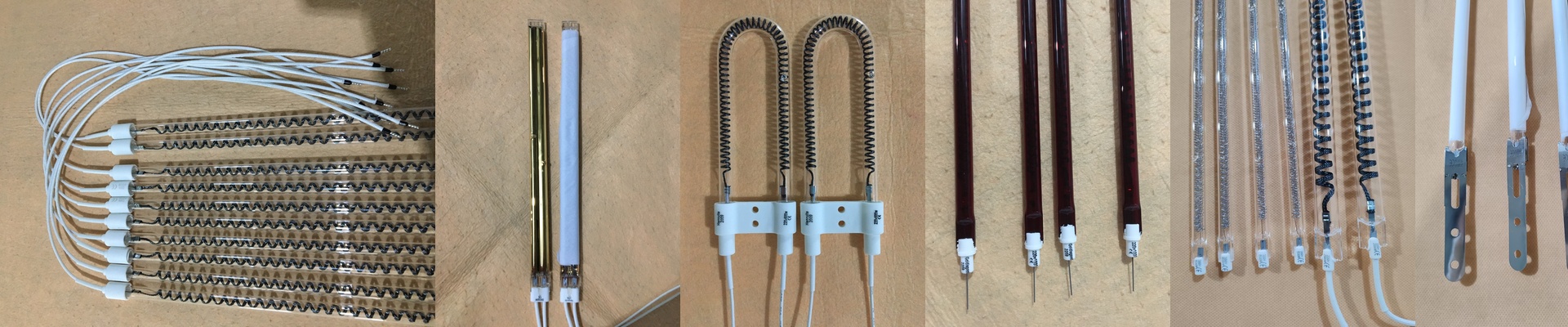
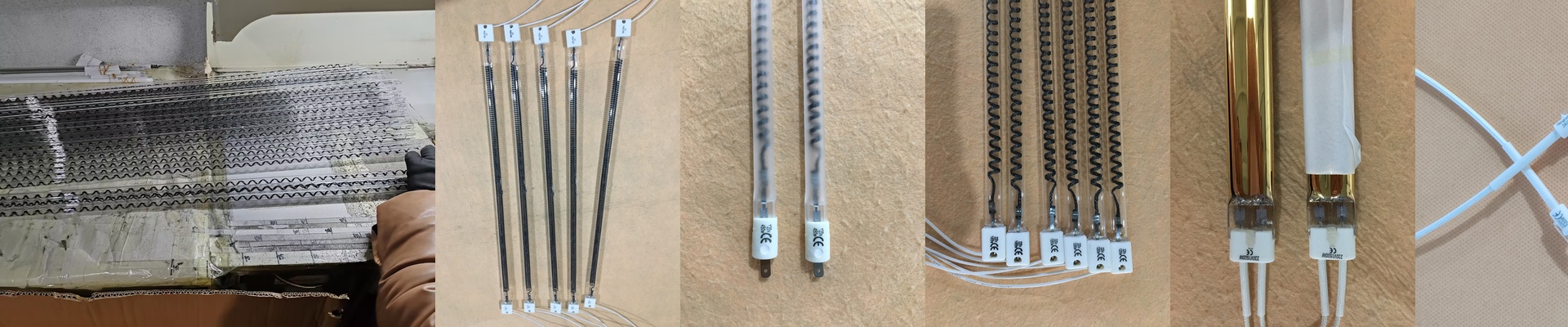
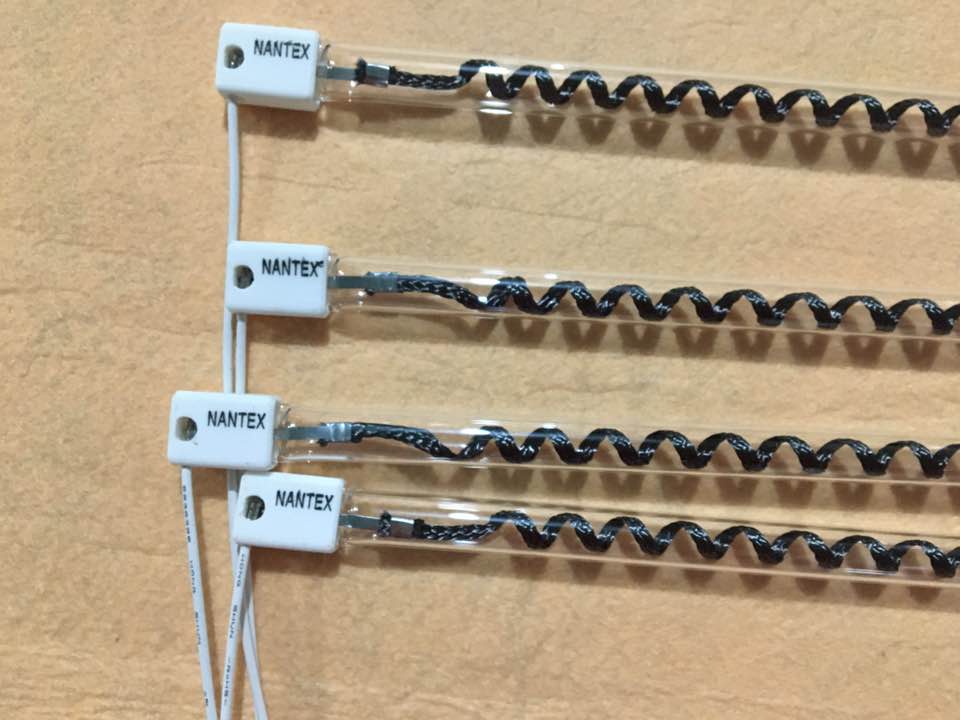
If you’ve spent any time blowing PET bottles, you know the struggle. You’re trying to hit that sweet spot where the plastic is soft enough to stretch, but not so hot that you scorch it. It’s a tight window. That’s where carbon fiber heating lamps come in. Most people are used to standard quartz halogen tubes, but carbon fiber is a different beast. The way it throws heat actually penetrates the PET wall more evenly. No more guessing. The Need for Speed High-speed blow molding doesn’t give you much time to breathe. You need a ton of power packed into a tiny space to get that plastic to its transition temperature now. Carbon fiber filaments ramp up incredibly fast. For you, that means you can either shorten your oven or crank up the line speed. But a word of warning: this stuff gets hot. Like, really hot. If your cooling fans aren’t up to the task, you’re going to melt your sockets or warp your reflectors. Don’t skip the cooling. What’s Under the Hood Inside that high-purity quartz tube is a carbon fiber filament. The best part? It doesn’t wear out as fast as tungsten when you’re constantly switching it on and off. We also use special coatings on these tubes to tweak the infrared wavelength. It’s a clever trick that keeps the surface of the PET from overheating while the core is still too cold to move. Plus, they use standard industrial connectors, so you can just swap them into your old halogen setup without a headache. The Trade-offs Nothing is perfect. While the heat distribution is great, these lamps are a bit finicky. They’re more fragile than the old metal-filament bulbs. One hard bump during installation and—snap—there goes your filament. And please, for the love of your equipment,wear gloves. If you leave fingerprints or skin oils on the quartz, it creates hot spots. That’s a fast track to a blown tube. One last tip: if you’re plugging these into your oven, take a look at your PID controllers. Carbon fiber reacts way faster than what you’re probably used to. You’ll want to tune those settings so you don’t overshoot your target temperature and ruin a batch.