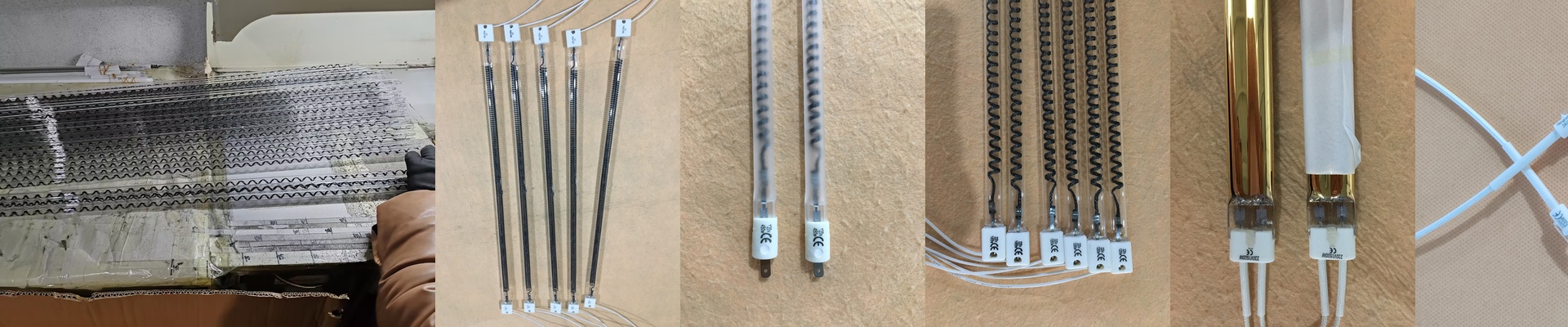
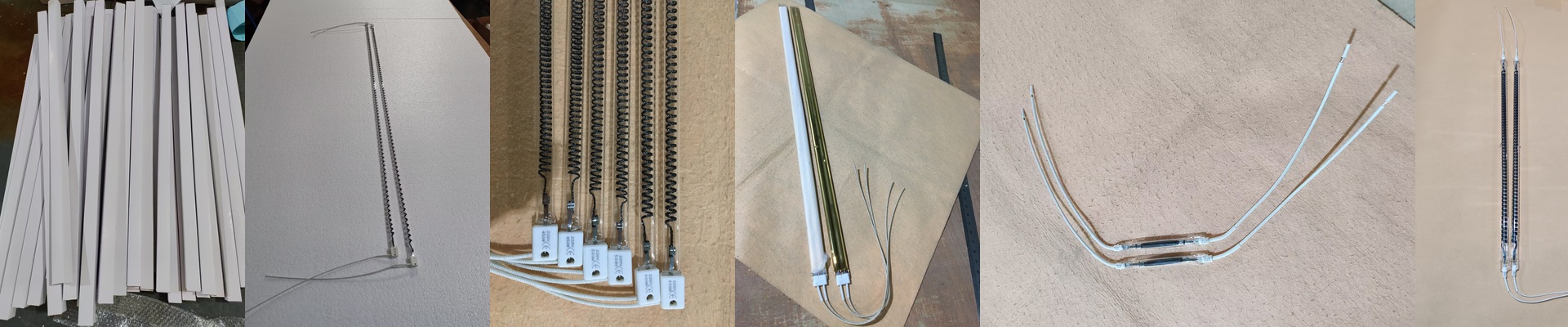
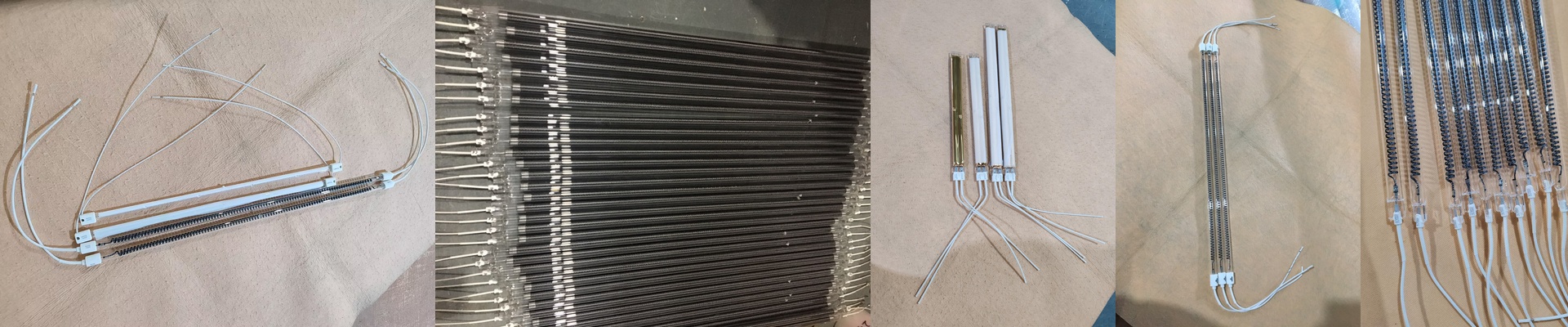
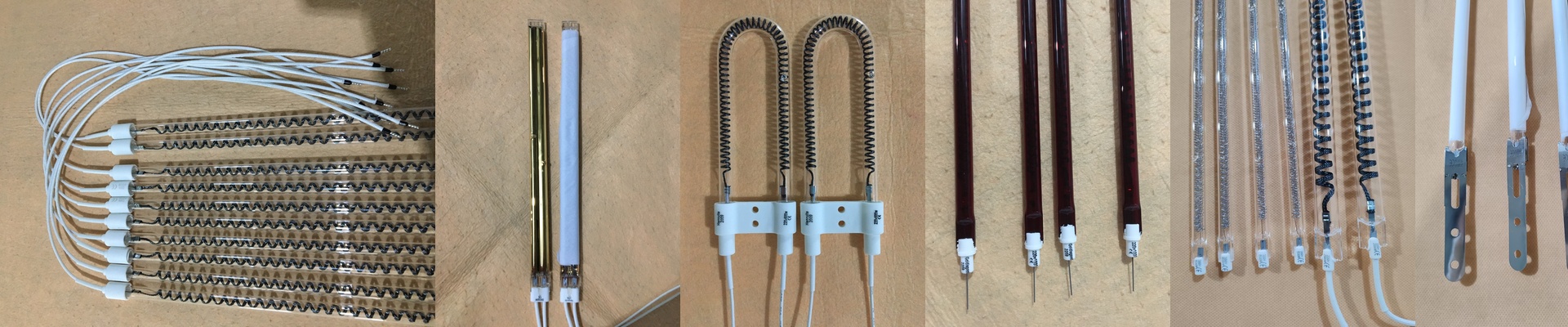
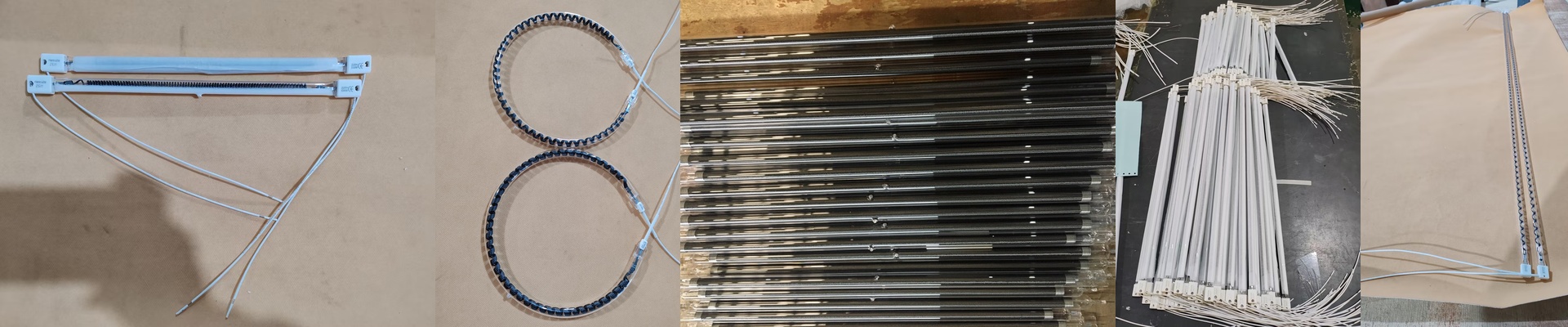
Let’s Talk Carbon Fiber Heating Lamps
If you’ve used old-school tungsten coils, you know the drill. They work, but they have their limits. Carbon fiber is a different beast. We use a carbon filament that handles a lot more current and puts out an infrared spectrum that actually sinks deep into your materials. And because we’ve got these CE-certified, you don’t have to stress about whether the electrical insulation or thermal safety is up to code for your shop. We’ve already done the heavy lifting on the regulatory side.
Getting the Heat Right
Here is the thing: it all comes down to the wattage-to-length ratio. When you’re picking your lamp, the voltage you choose dictates the current draw and how much heat you’re actually pushing. High-wattage elements arefast. Like, “hit your target temperature in seconds” fast. It saves a ton of time. But a word of caution: that kind of heat puts a lot of pressure on your reflectors. If your reflector is dirty or pitted, you’re basically throwing energy away into the chassis. Keep them clean, or you’re wasting power.
What’s Under the Hood?
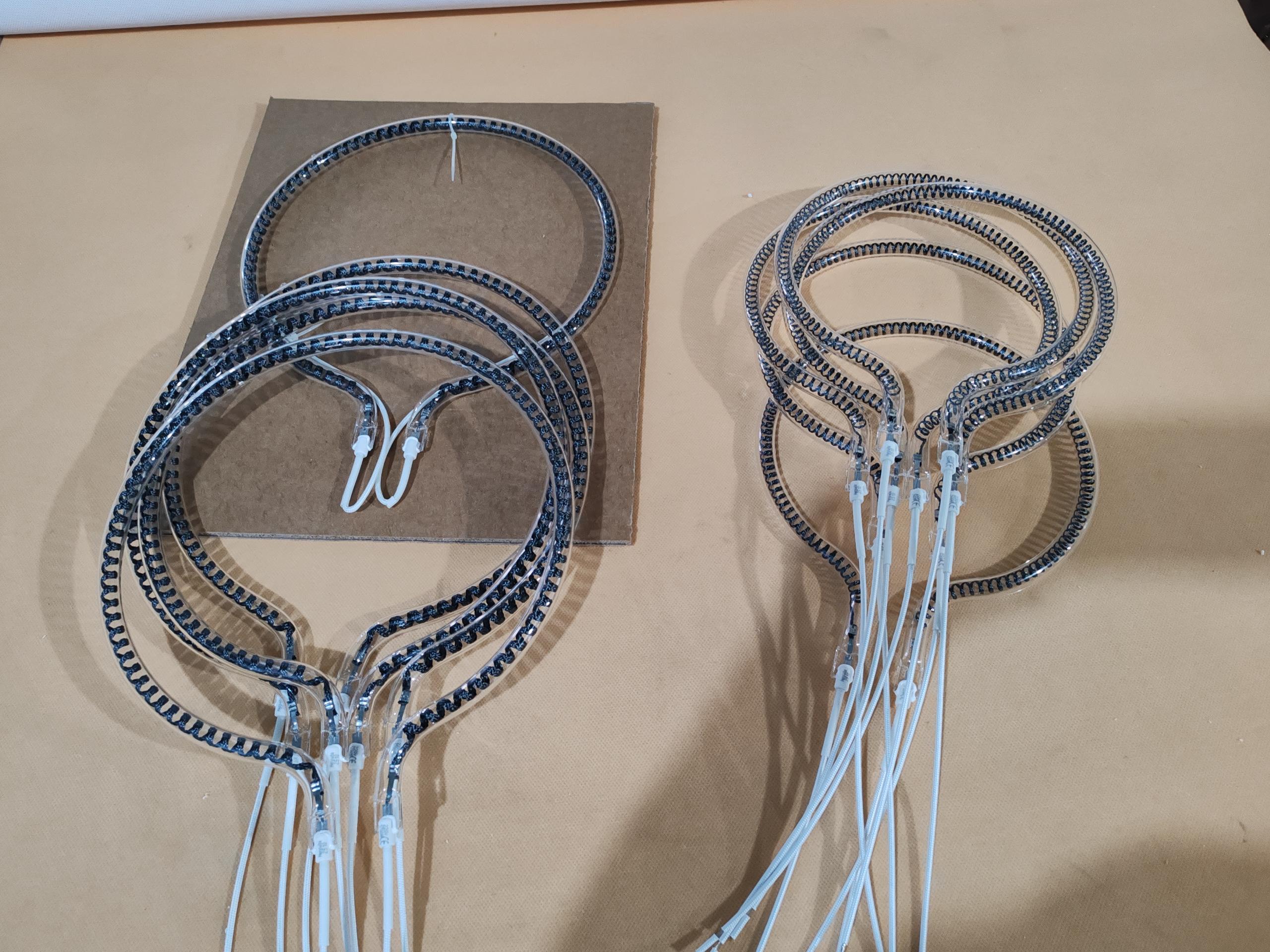
We wrap the carbon filament in high-purity quartz. Why? Because if oxygen touches that filament, it’ll burn out almost instantly. The CE mark isn’t just a sticker; it means the glass-to-metal seals and the wiring can take the heat without leaking current. Plus, we offer a few different lead-wire setups. We want you to be able to plug these into your controllers without having to hunt down a bunch of custom adapters.
Real-World Use (and a few warnings)
You’ll see these all over PET blowing, drying lines, and curing ovens. They give you a steady, consistent heat footprint across the whole tube, which usually means your cycle times drop. But there’s a trade-off. Carbon fiber is a bit more fragile than those chunky metal heaters. If your machine shakes too much or someone bumps the lamp during install, the filament can snap. It’s frustrating. Just make sure your mounting brackets are tight and secure, and you’ll be fine.