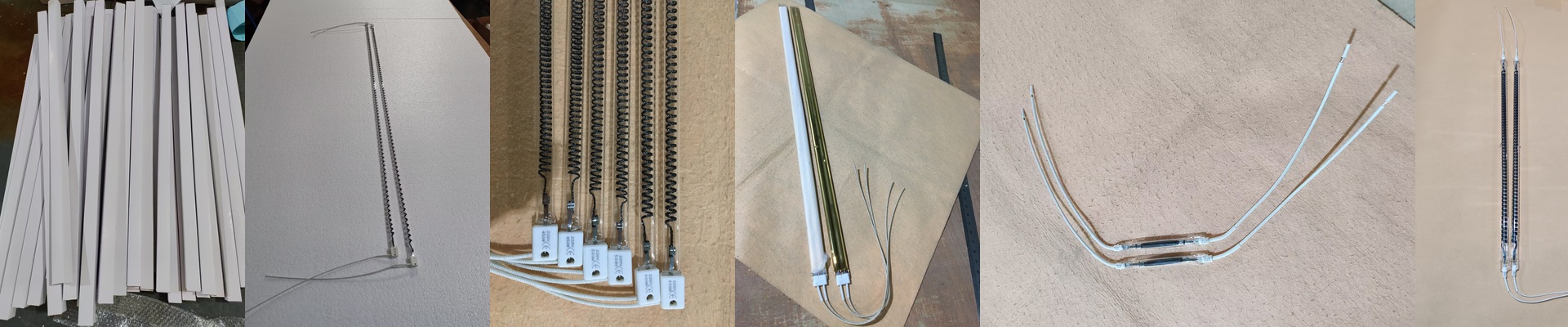
Let’s talk power, size, and getting the job done.
We built this carbon fiber heater tube to pack a serious punch—1000W of focused infrared heat—in a package that doesn’t eat up your workspace. It’s the kind of power that gives you high heat density without going overboard. And it runs on standard line voltage, so you’re not rewiring the whole place just to make it fit. The length? We set it to match the usual industrial heating zones, so you get even heat across the whole surface. It’s all about matching the wattage to what your process actually needs. The payoff is simple: heat-up is predictable, running temps stay steady, and your cycles on the floor stay consistent.
Inside the build: quartz, coating, and the right connections.
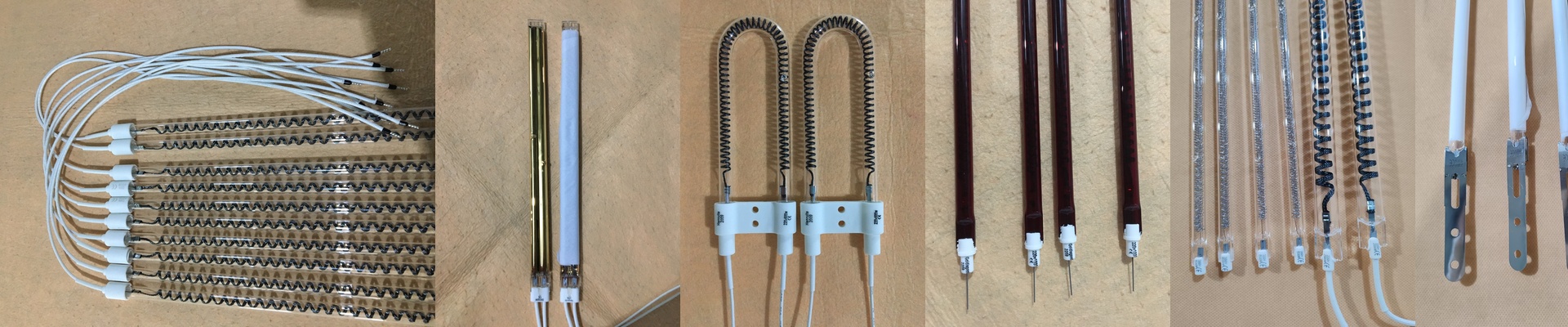
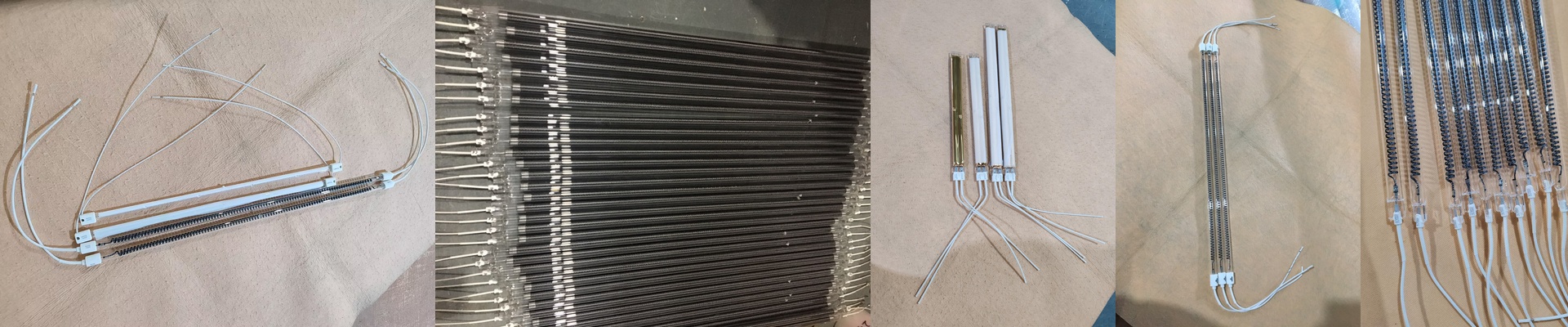
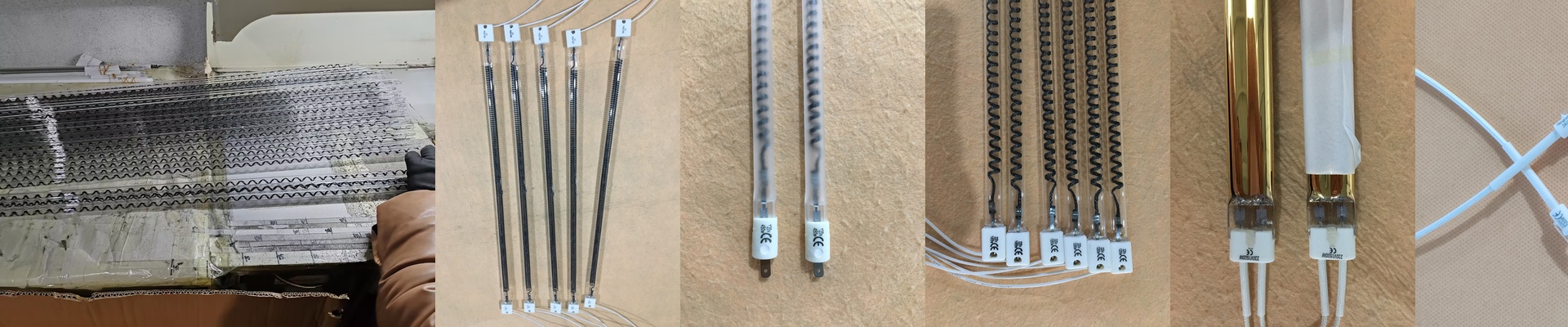
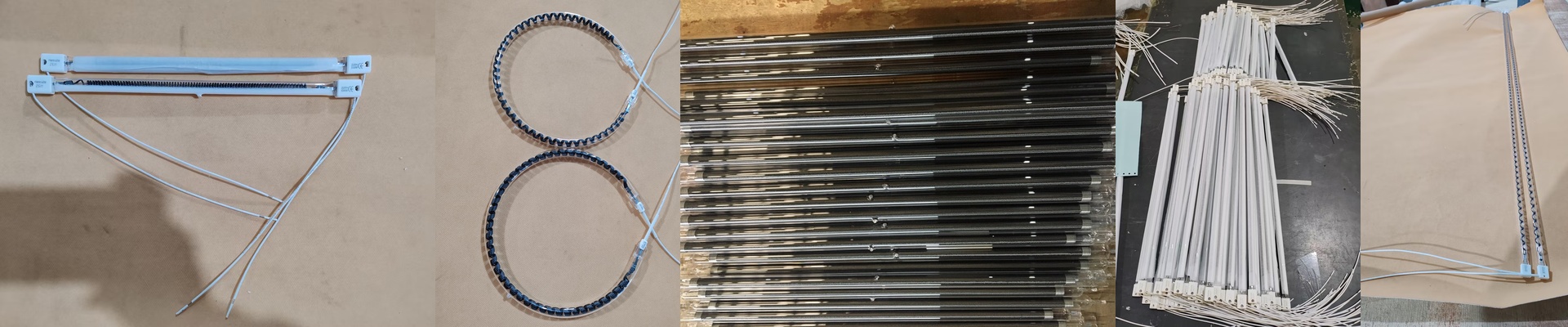
At the heart of it is a carbon fiber filament, tucked inside a quartz envelope. Quartz is tough—it handles rapid heating and cooling without warping, even when things get seriously hot. We also added a reflective coating that pushes infrared energy forward. That means more usable heat where you want it, and less wasted heat drifting off. For the connections, we went with an R7s connector. It makes solid contact, carries the current without fuss, and turns the tube into a straightforward, drop-in swap. It’s built to handle vibration and thermal expansion, so you don’t lose conductivity when things shift.
What it feels like to run this thing.
This 1000W carbon fiber tube shines when space is tight and you need heat fast. It wakes up quickly, throws directional infrared heat, and keeps the surrounding hardware from turning into a furnace. Installation? Line up the R7s ends, secure it, and wire it up. Done. Now, the high heat density is a big strength, but it comes with a heads-up. The area around it can get hot, so you’ll want proper shielding and airflow (or cooling) in the enclosure. This tube is made for steady, continuous duty—reliable, predictable heat with minimal rework.
The reality check: make sure the system matches.
This isn’t a one-size-fits-all miracle. Before you run with it, confirm your voltage supply, mounting clearance, and cooling plan. Do the math on ambient temperature rise, then size the guard and airflow accordingly. When those details line up, you get consistent heating with less downtime—the kind of performance you can count on, day after day.