Introduction
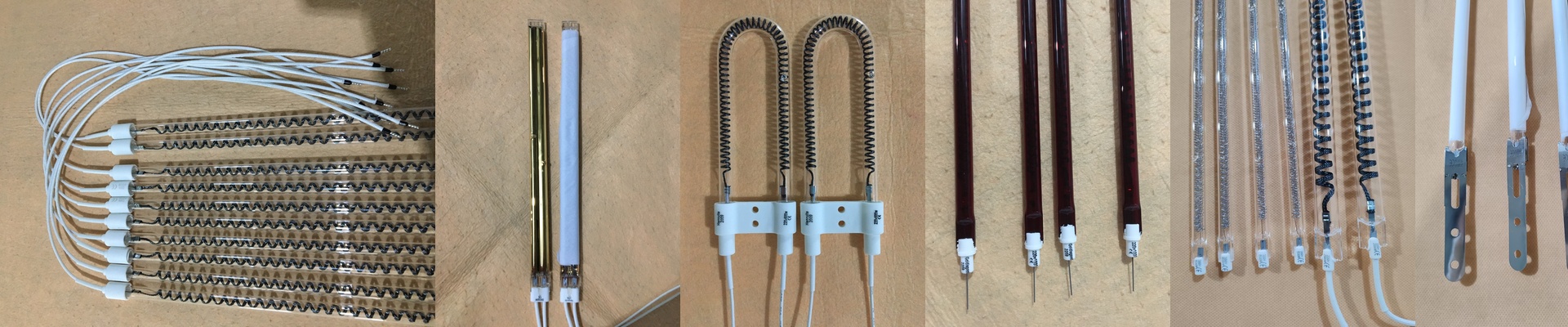
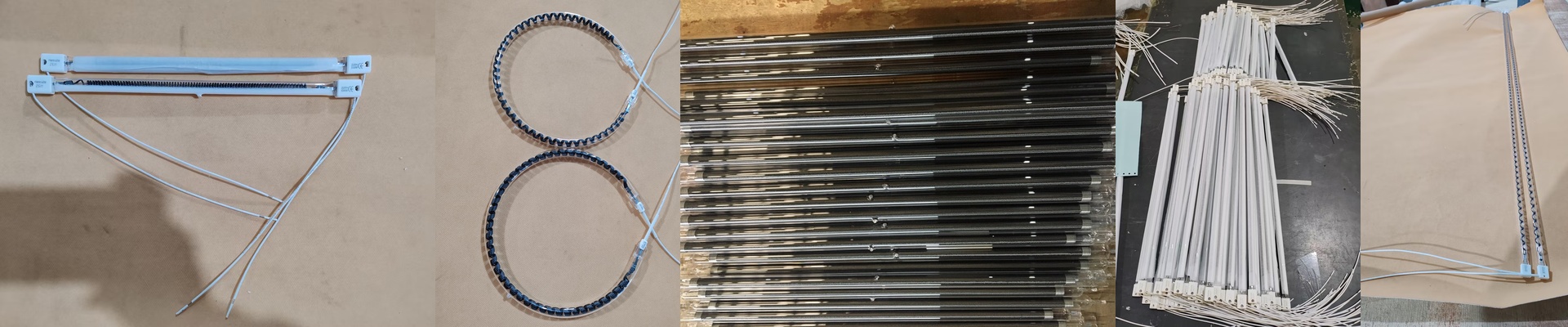
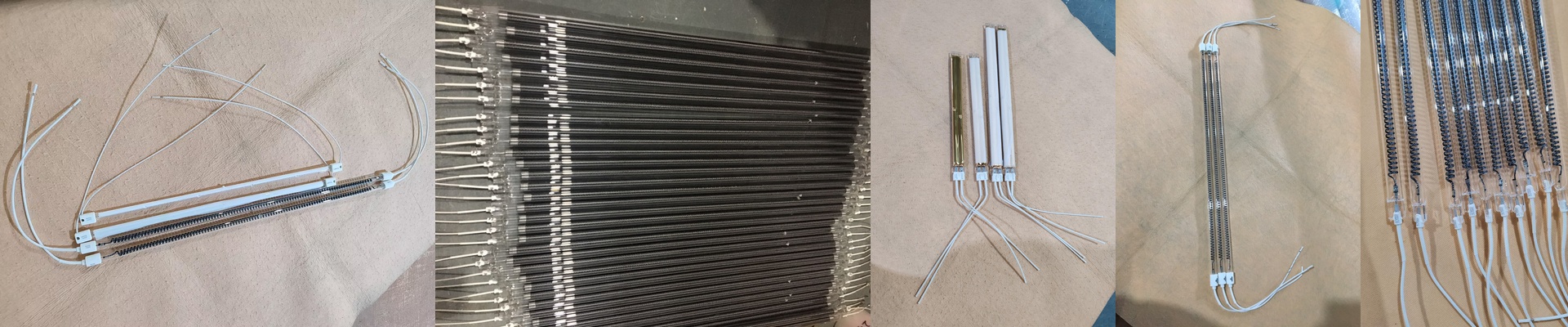
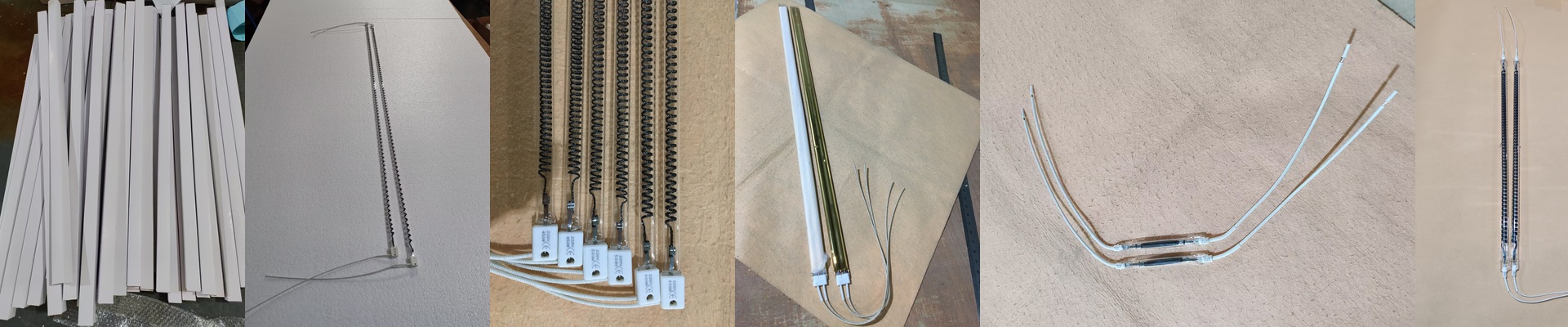
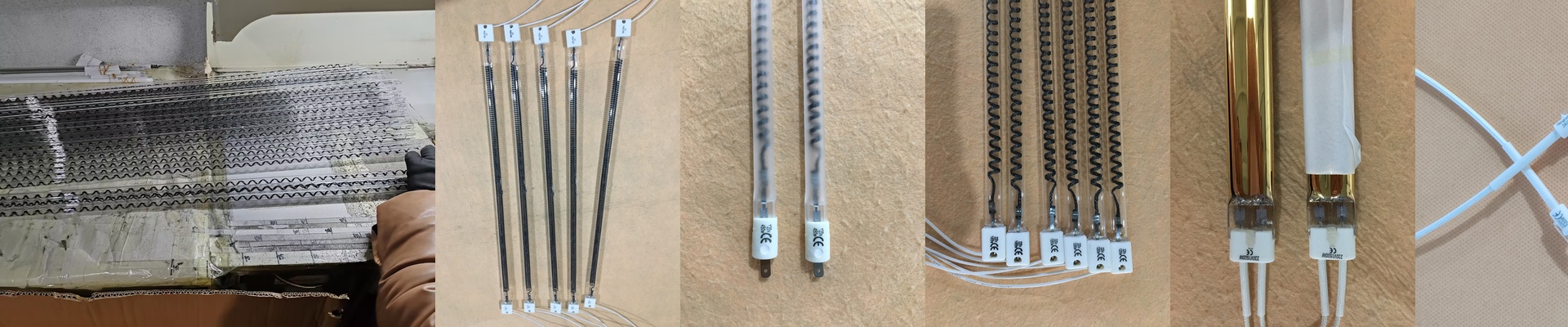
We built this 400mm carbon fiber heating tube for engineers who are tired of bulky, slow heating elements. If you need a heat source that fits into tight spaces and gets hot—fast—this is it. It’s essentially a quartz tube housing a carbon fiber core, designed to slip right into your existing gear. Think of it as a plug-and-play solution for serious heat in a compact package.
What Makes It Tick
Let’s talk about that 400mm length. It’s not just a random number; it’s the sweet spot for getting a powerful heat zone into a small footprint. Perfect for things like reflow heads, sealing bars, or those compact lab ovens where space is at a premium. The real magic is the carbon fiber core. It has incredibly low thermal mass, which just means it heats up almost instantly. No waiting around. When the load changes, it recovers in a flash. This isn’t a heater you have to baby along. It’s built for the pace of real work—cycle after cycle, with rock-solid repeatability.
The Inside Story
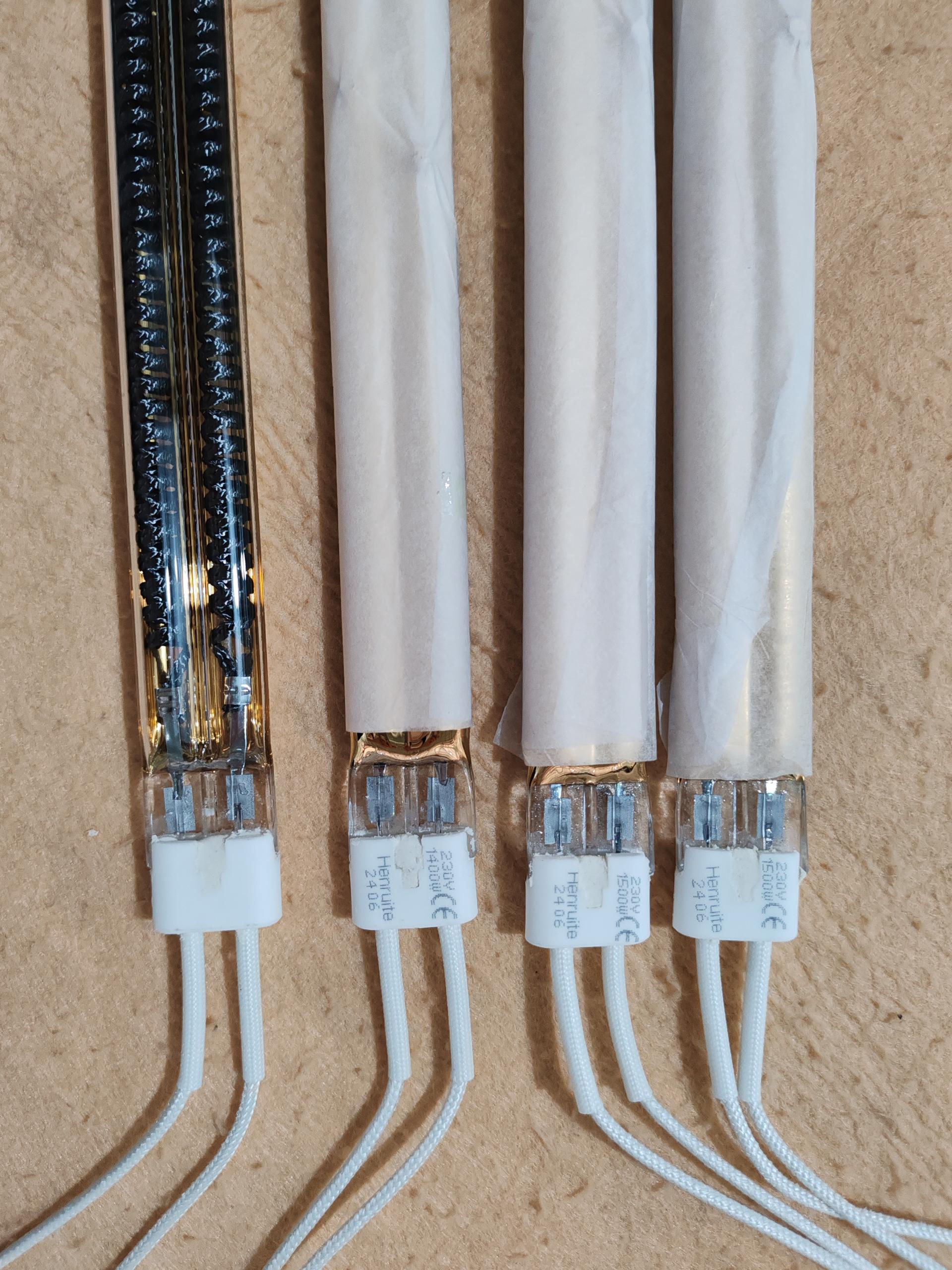
The carbon fiber element is nestled inside a quartz tube. Why quartz? It’s the perfect bodyguard. It keeps the element protected from the atmosphere, laughs in the face of sudden temperature changes, and holds its shape even at extreme heat. This tube is tough. It’s engineered to handle being switched on and off constantly without cracking under the pressure. And when it comes to installation? We kept it dead simple. The design uses standard end-cap connections and a clean mounting interface. No need to engineer custom brackets. Just wire it up, clamp it down, and you’re good to go. That joint is solid, too—it holds its ground against vibration and expansion without a fuss.
Where It Shines
This heater is a go-to for packaging sealing, plastic processing, and lab or pilot equipment—basically anywhere space is tight and you need precise heat. Because it’s short, you don’t have a lot of wasted, stray heat. All that energy is focused right where you need it. Now, here’s the trade-off: this thing packs a serious punch. You get that lightning-fast heat, but the surrounding parts need to be ready for it. Make sure you plan for enough airflow or heat shielding to keep your control electronics and nearby components from getting too toasty. In the real world, this tube runs clean, holds its temperature steady, and drops right in as a direct replacement for standard fixtures.