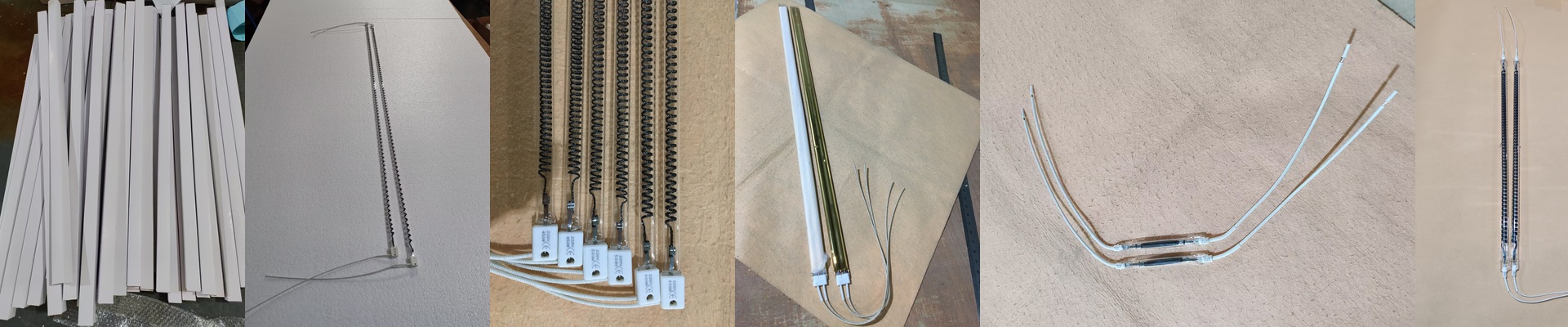
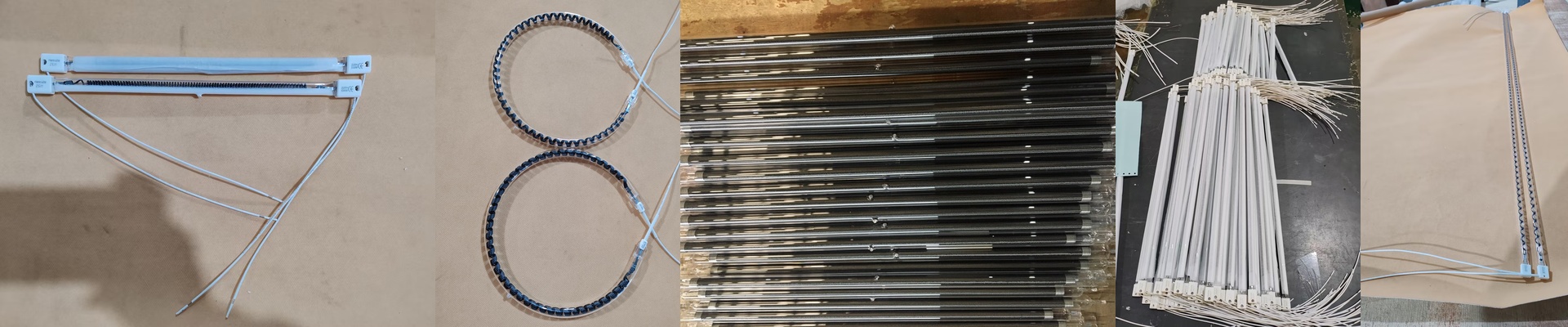
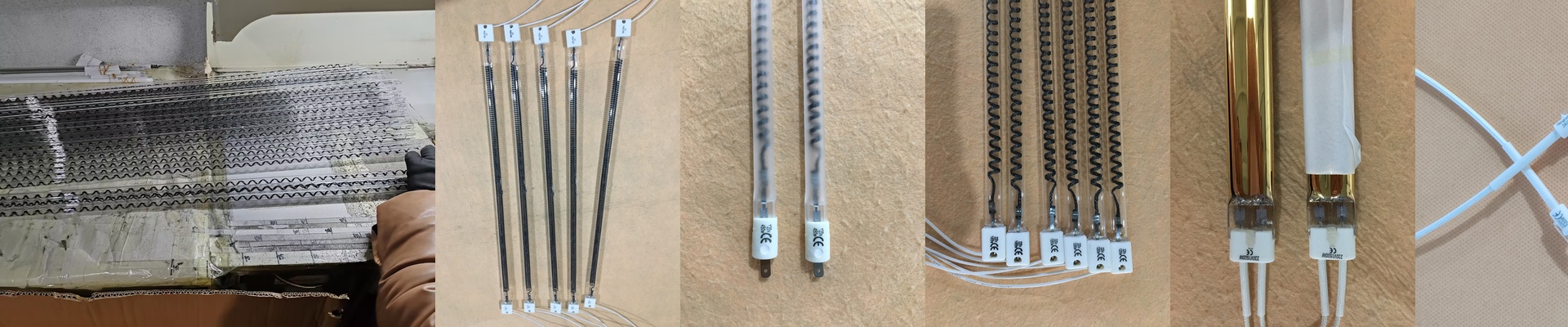
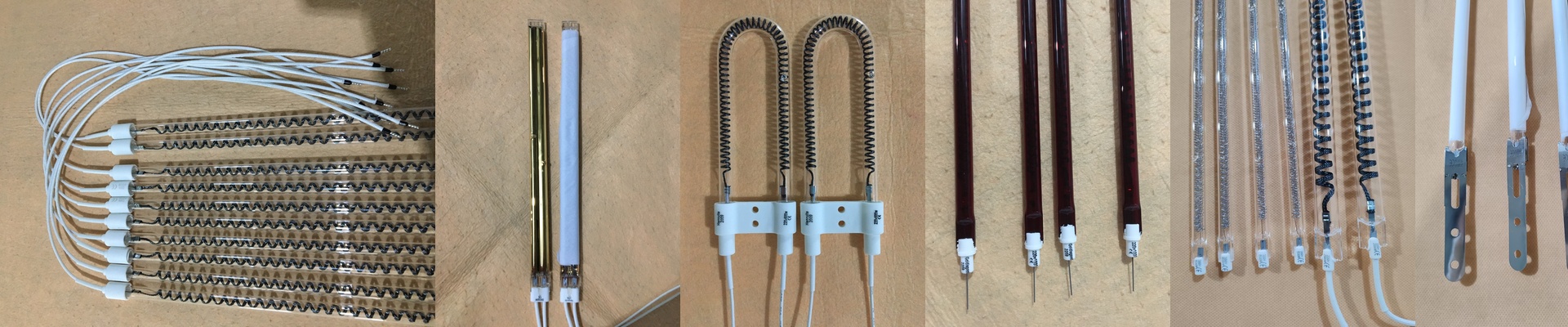
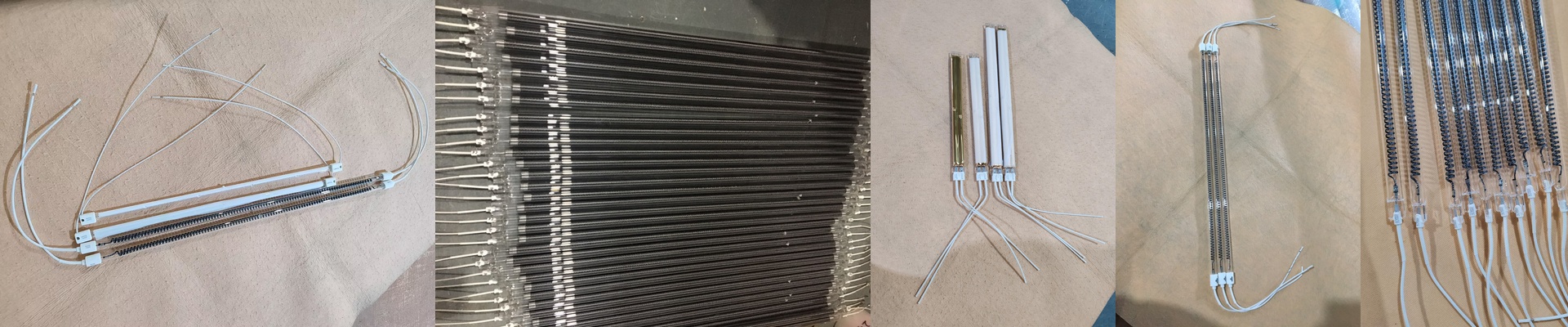
Let’s Talk About Carbon Fiber Quartz Lamps
We built these lamps to solve a common headache. Usually, you’re stuck choosing between cheap metal alloy elements that don’t quite cut it or those insanely expensive ceramic heaters. We figured there had to be a middle ground. The secret is a carbon fiber filament tucked inside a high-purity quartz glass tube. Simple, but it works.
The Heat Stuff
Here is the thing about carbon fiber: it doesn’t act like your standard Nichrome wire. It puts out a broader spectrum of heat—mostly medium-wave infrared. In plain English? The heat actually sinks into the material instead of just searing the surface. It’s a much gentler way to get things hot. We use quartz glass because it lets that heat pass through without eating up the energy, and it doesn’t crack when you flip the switch on and off rapidly. One quick tip: if you’re squeezing a high-wattage tube into a tiny space, watch out. The heat density gets intense. Make sure your housing is sturdy enough so it doesn’t warp under the pressure.
Plugging It In
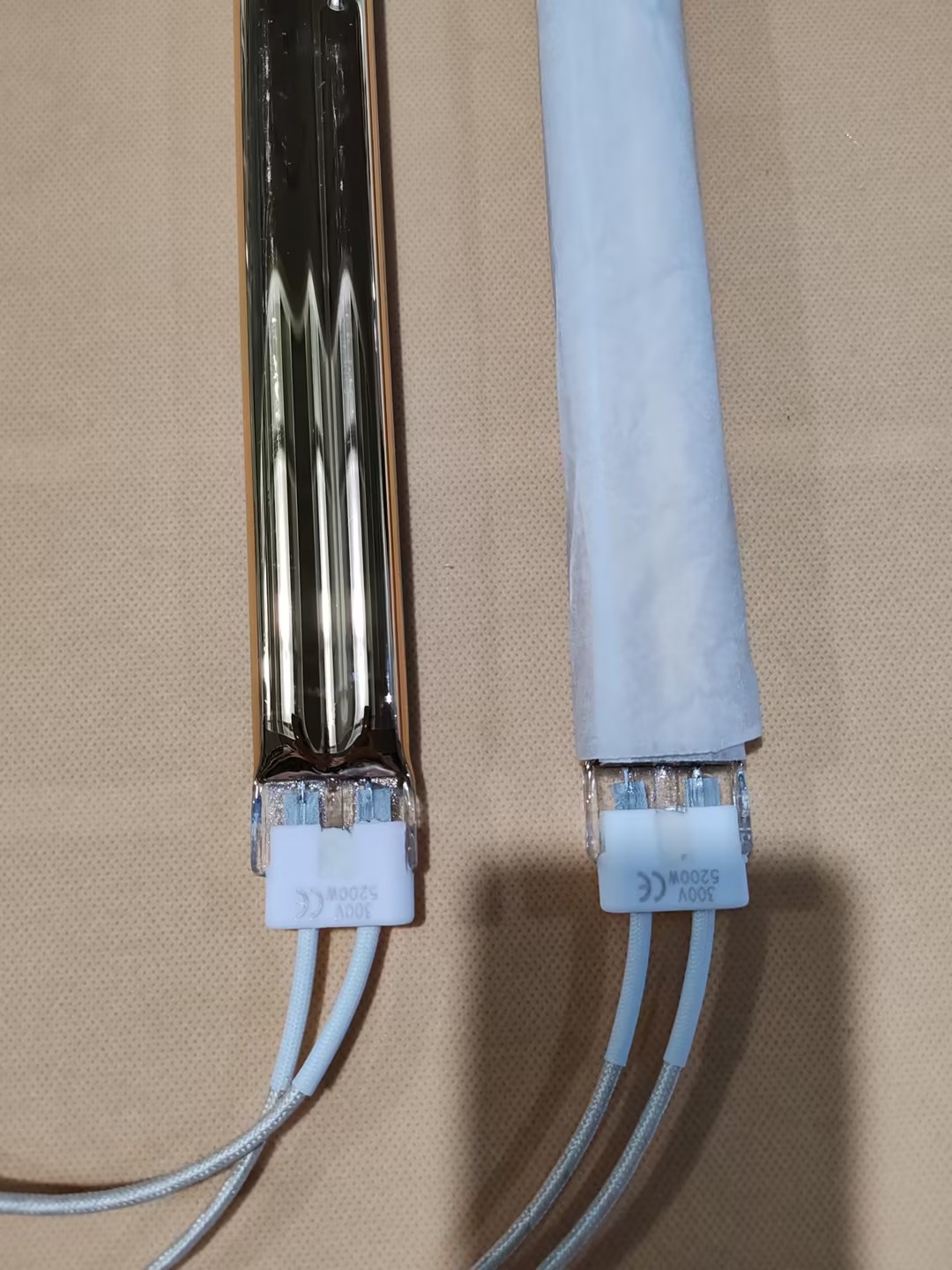
We keep the connectivity boring on purpose. You’ll get standard industrial connectors—like R7s or SK15 bases—so you can just plug them in and get moving. No fighting with the wiring, no arcing, just a solid connection. Sometimes we add a coating to the quartz. This basically acts like a mirror, bouncing the heat back toward your workpiece instead of letting it bleed into the machine frame. It saves you money on your power bill, though it does make the glass itself feel hotter to the touch.
Where They Actually Fit In
You’ll see these doing the heavy lifting in PET blowing, paint curing, or plastic welding. If you’re still using old halogen tubes, these are a great swap. They last longer and the heat curve is a lot smoother. But, a word of caution: quartz is fragile. It can handle the heat, but it hates being hit. If your shop floor is a chaotic place with lots of vibration or flying debris, give these lamps a shield. And please, pair them with a PID controller. It keeps the voltage steady and stops the filament from popping during a spike.