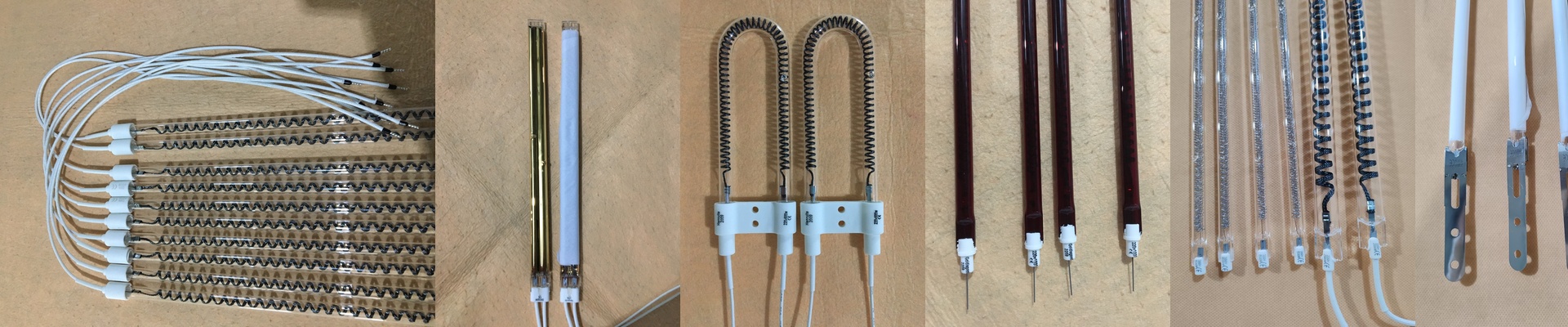
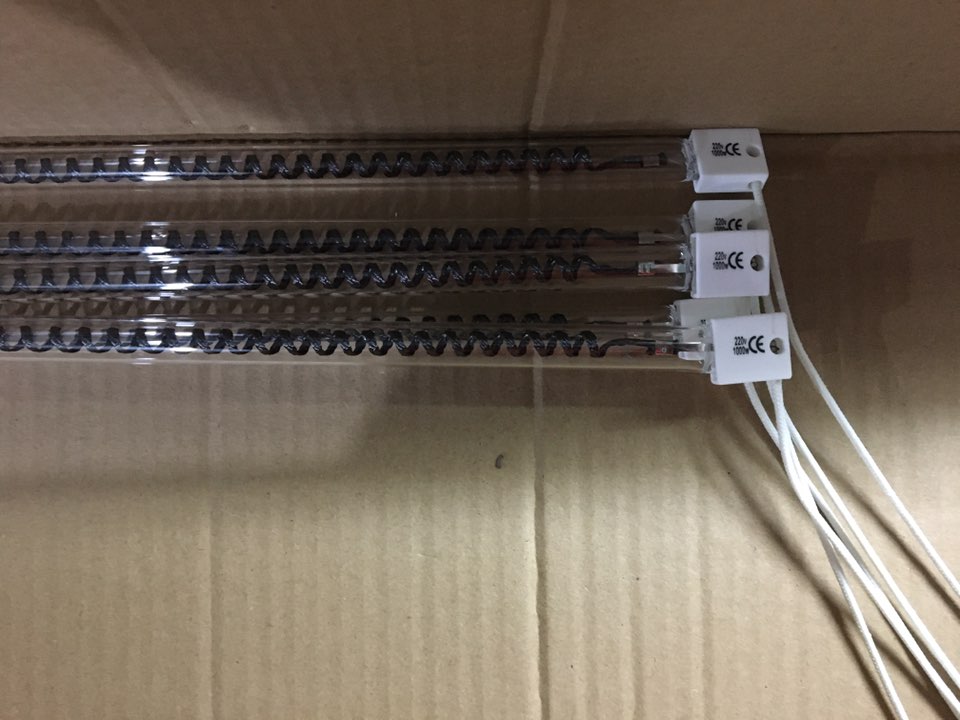
Let’s Talk About Medium Wave Carbon Fiber Quartz Lamps
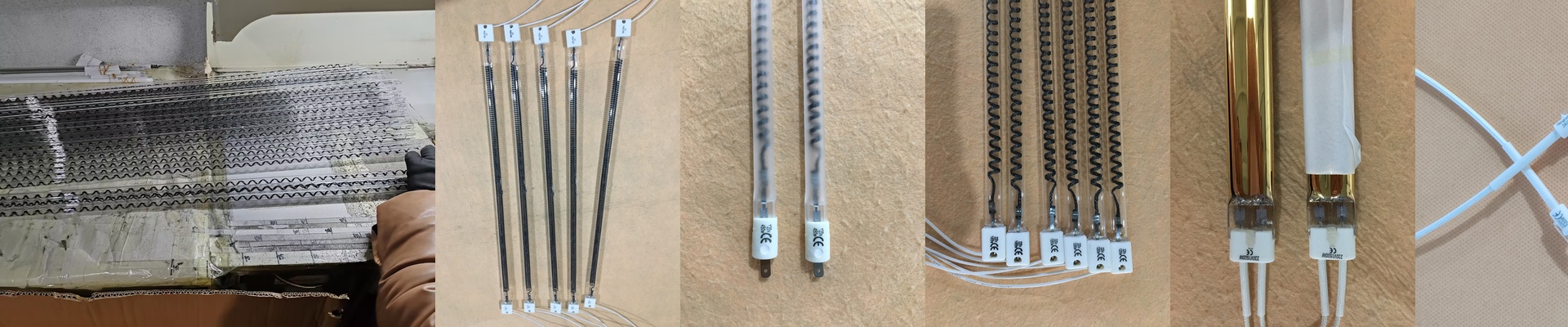
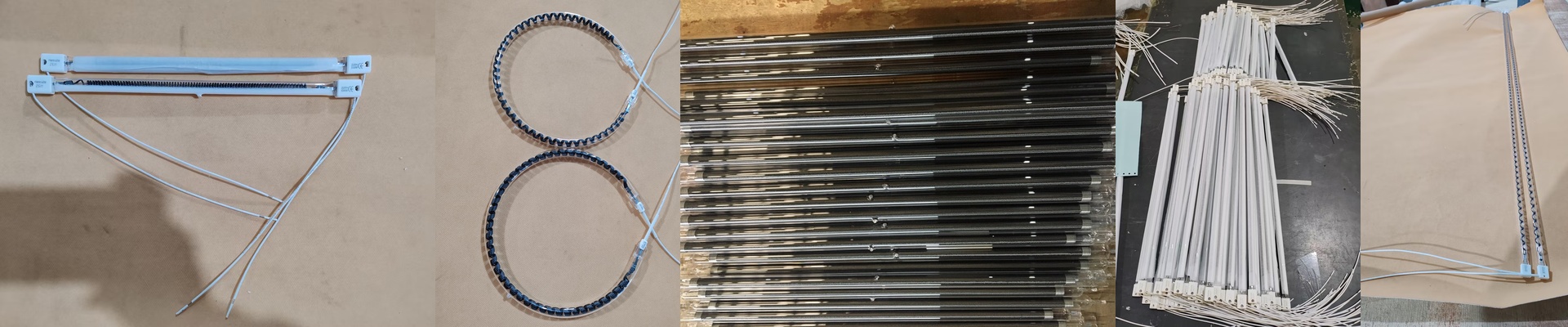
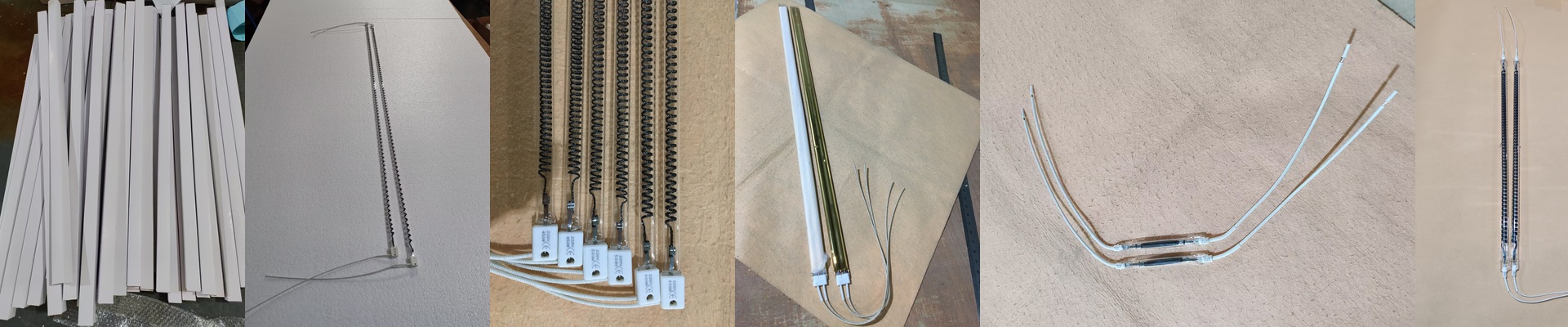
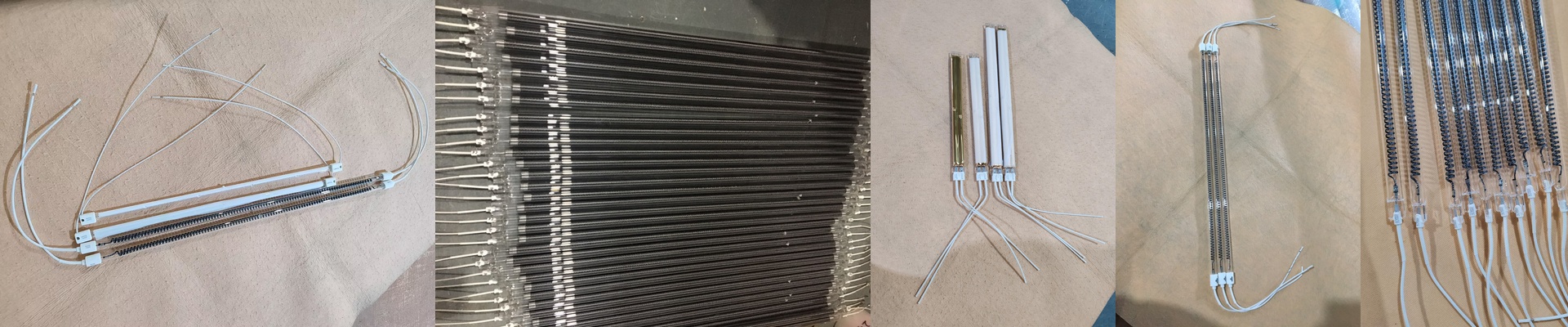
If you’ve ever struggled to find the sweet spot between a blast of intense heat and a slow, deep soak, these lamps are exactly what you’re looking for. They sit right in the middle. By using a carbon fiber filament inside a high-purity quartz tube, we can hit those specific frequencies that plastics and organic materials actually “want” to absorb.
The Guts of the Lamp
The magic happens with the carbon fiber. Most people are used to tungsten, but carbon fiber is a different beast. It doesn’t evaporate nearly as fast when things get scorching hot, which means your lamps actually last longer. When we’re picking a lamp, it all comes down to heat density. If you crank up the wattage relative to the length of the tube, the quartz gets hotter. That’s how we push the emission further into that medium-wave range. Then there’s the voltage. This is where people usually mess up. You’ve got to match your transformer to the specs perfectly. If you under-volt it, the lamp feels lazy and takes forever to warm up. Over-volt it?**Pop.**You’ve just fried your filament.
The Build Quality
The quartz tube isn’t just a fancy glass cover. It’s designed to let that medium-wave IR pass through without soaking up the heat itself. We use fused quartz because it doesn’t warp or freak out when the temperature spikes. One pro tip: check your connectors. Whether you’re using R7s or SK15 pins, make sure they’re tight. A loose connection creates a hotspot, and a hotspot is the fastest way to crack your quartz. It’s a small detail, but it’s usually where things go wrong.
Using Them in the Real World
You’ll see these all the time in PET blowing, powder coating, or on drying lines. The big win here is the “heat soak.” Unlike short-wave lamps that can scorch the surface of your part, these get deep into the core. You get a thorough heat without ruining the finish. But there is a catch. Carbon fiber doesn’t snap to full temperature instantly like a halogen lamp does. It has a bit of a ramp-up. If your process needs to hit peak heat in a fraction of a second, you’ll just need to tweak your timing or keep a bit more baseline power running.