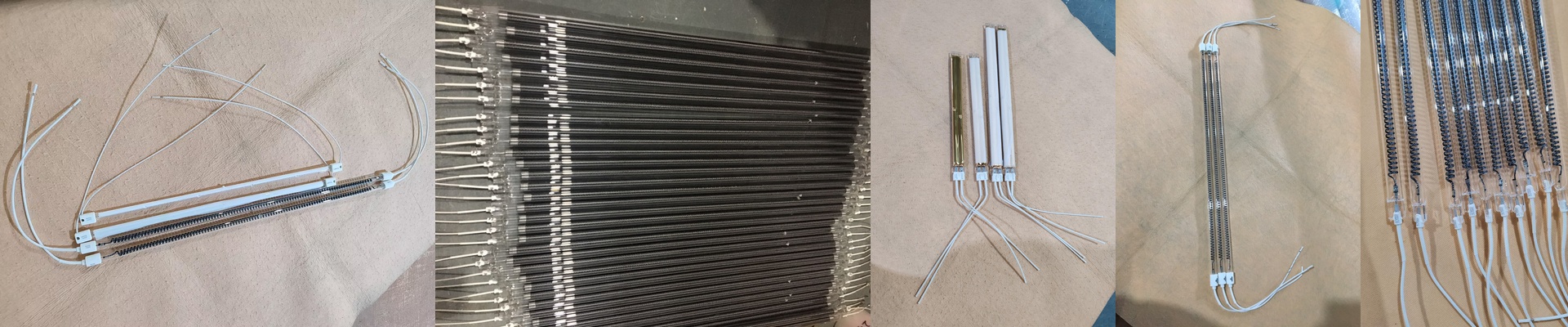
Let’s Talk About Carbon Fiber Quartz Lamps
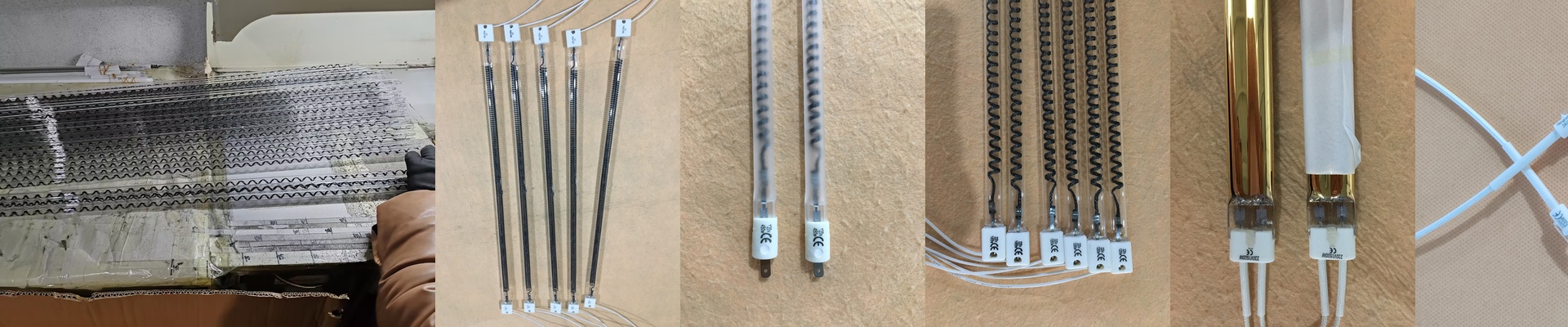
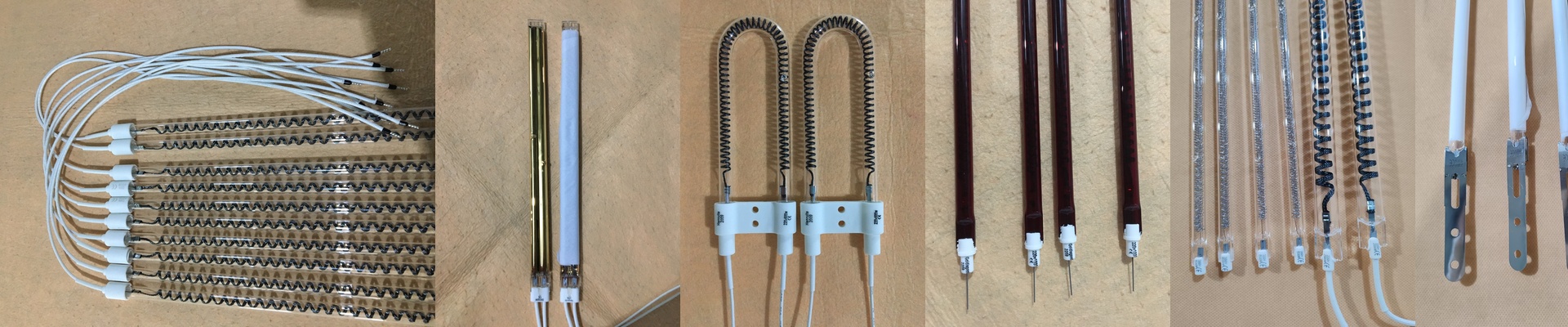
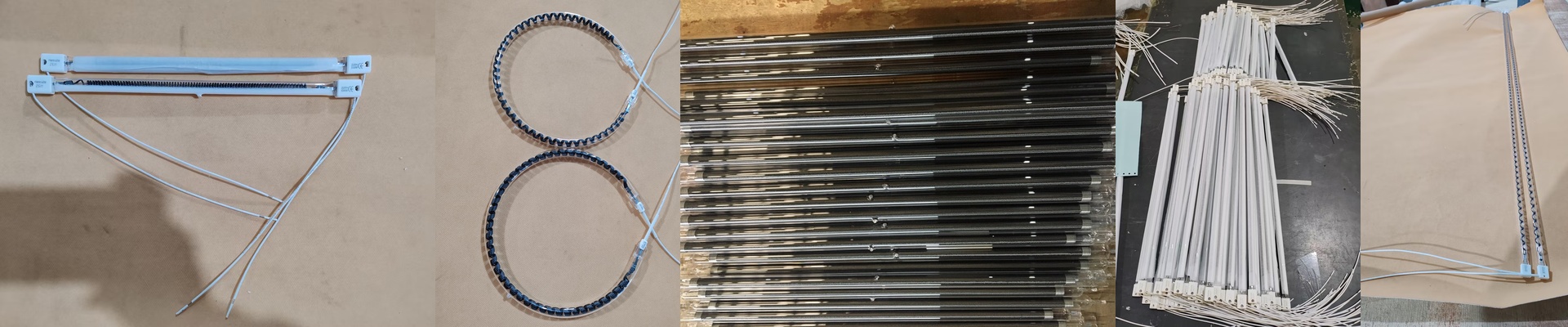
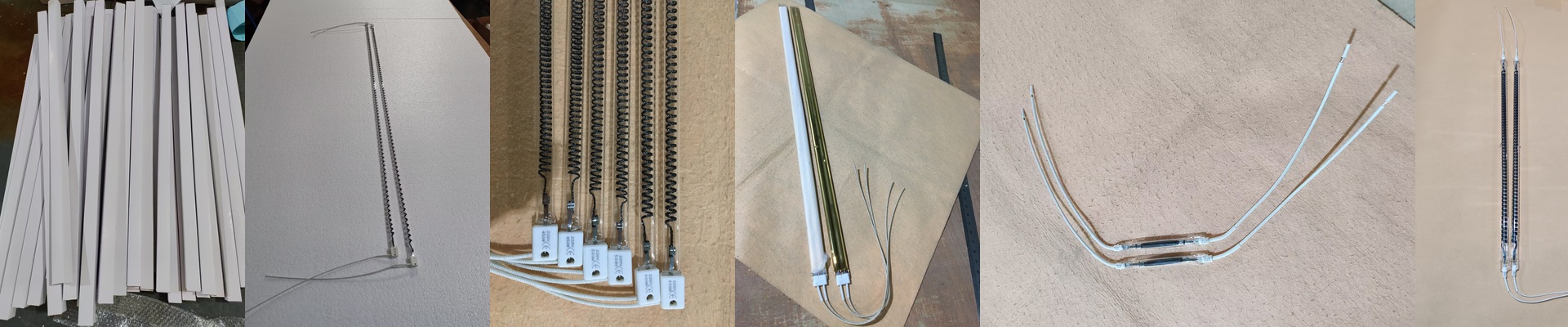
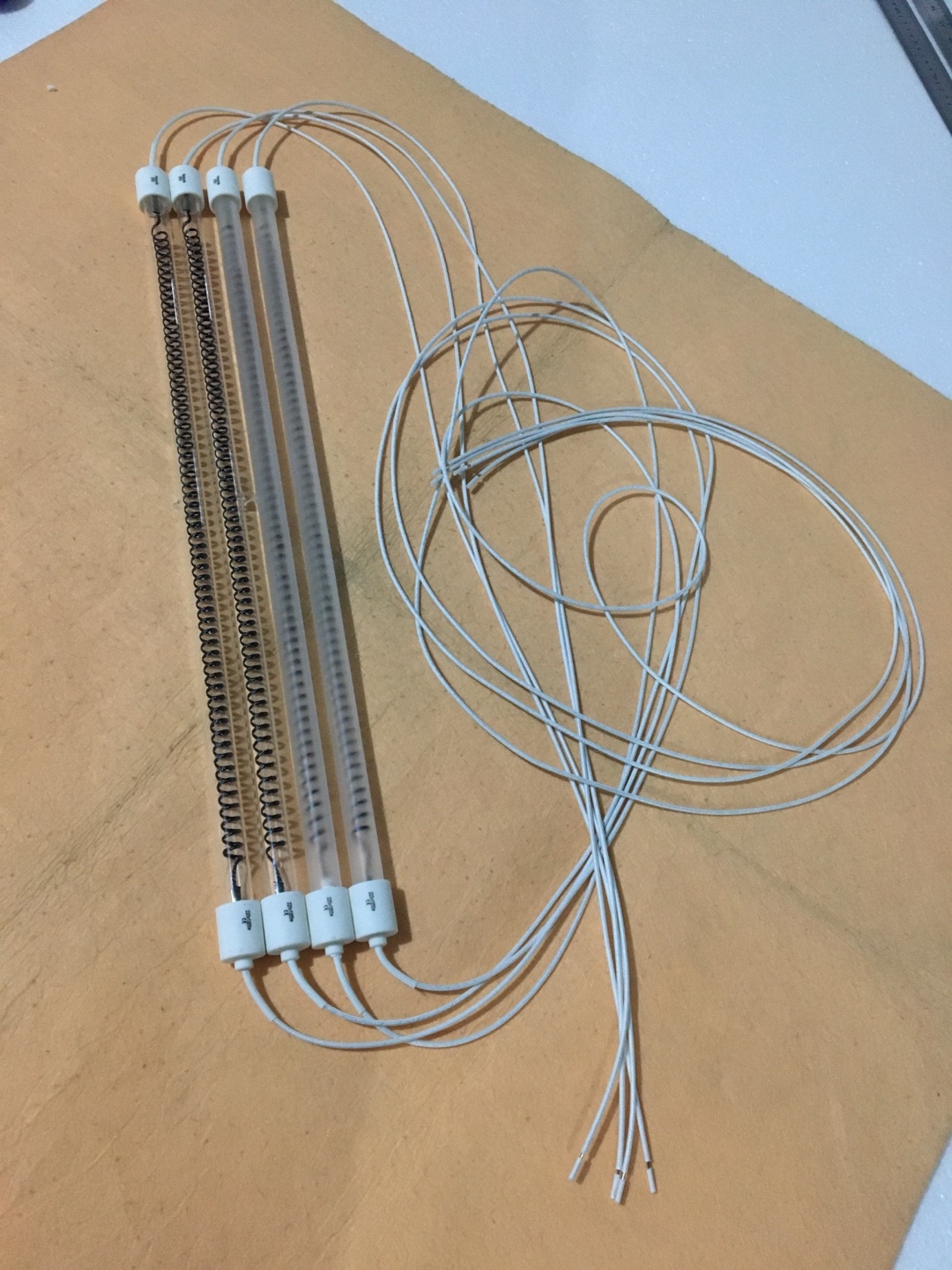
We built these lamps because we were tired of waiting for traditional metal filaments to warm up. If you’ve used the old alloy ones, you know the drill—there’s always that annoying lag. Our carbon fiber quartz lamps fix that. By tucking carbon fiber inside a high-purity quartz tube, we can turn electricity into infrared heat almost instantly. It’s fast. Really fast.
Getting the Power Right
Here’s the thing: the real magic happens in the wattage-to-length ratio. If you pack a lot of wattage into a short tube, you get a massive punch of heat. This is a lifesaver when you need to flash-heat a surface quickly. But be careful. You have to make sure your wiring and power supply can actually handle that voltage drop. If you try to force too much current through a tube that isn’t rated for it, you’ll just fry the filament. It’s a quick way to waste a good lamp.
Why Quartz and Carbon?
Why quartz? Simple. It doesn’t freak out when the temperature swings wildly, and it lets those IR waves slide right through without blocking them. Then there’s the carbon fiber. Unlike tungsten, carbon fiber doesn’t stretch or shrink nearly as much when it gets hot. That means the filament won’t sag or snap after a few hundred heat cycles. It just stays put. And for the connectors—we usually go with R7s or Sk15. We chose these because nobody wants to spend an hour rewiring a whole heating bank just to replace one bulb. You just pop them out and swap them in. Easy.
The Trade-offs (Because Nothing is Perfect)
You’ll see these lamps all over PET blowing and industrial drying lines because they don’t take up much space and they hit hard and fast. But there is a catch. All that radiant heat doesn’t just go toward your product; it also soaks into the surrounding housing. You’ll need to get your cooling fans or heat sinks dialed in. If the air around the quartz ends gets too hot, your seals are going to fail. Keep the airflow moving, and your lamps will last a whole lot longer.