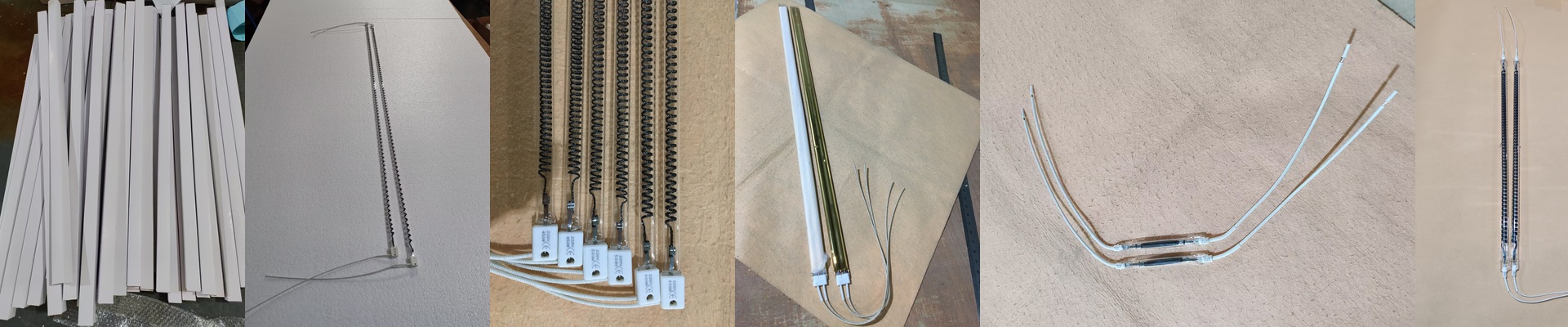
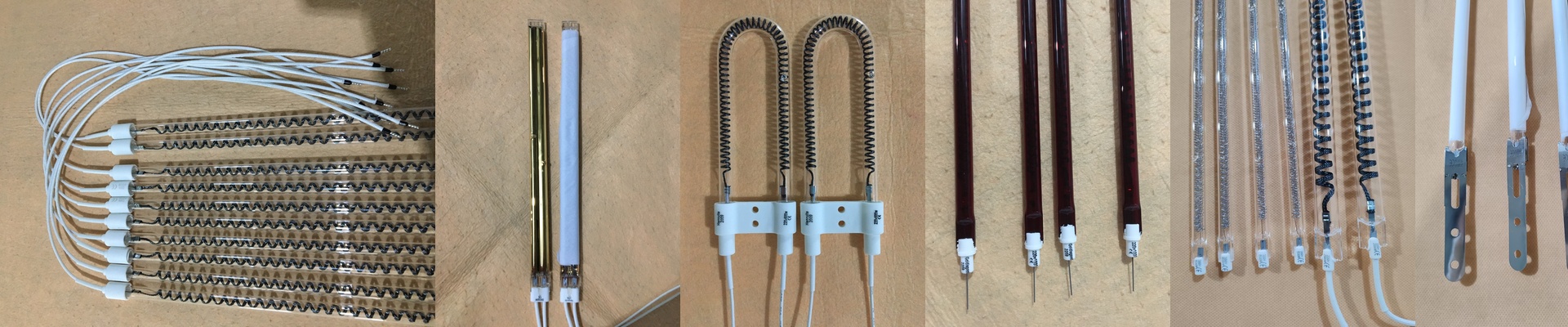
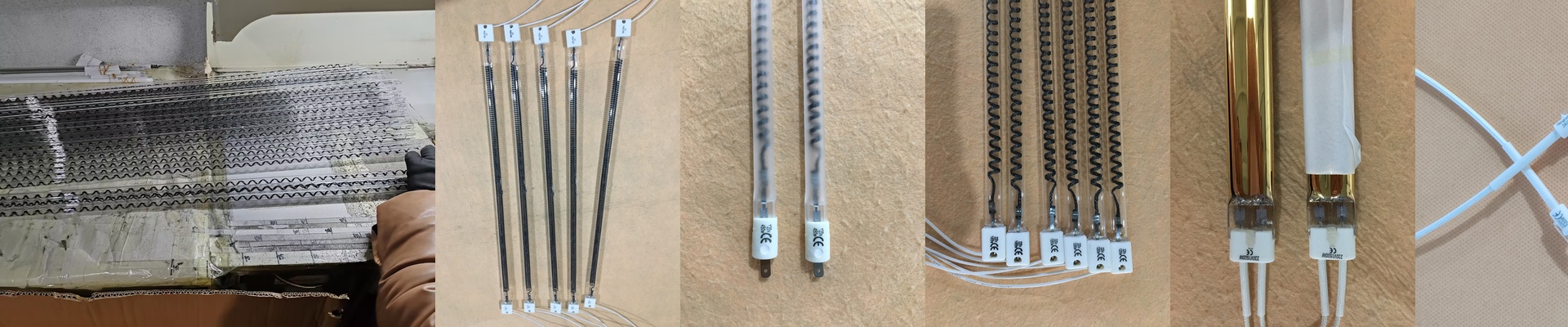
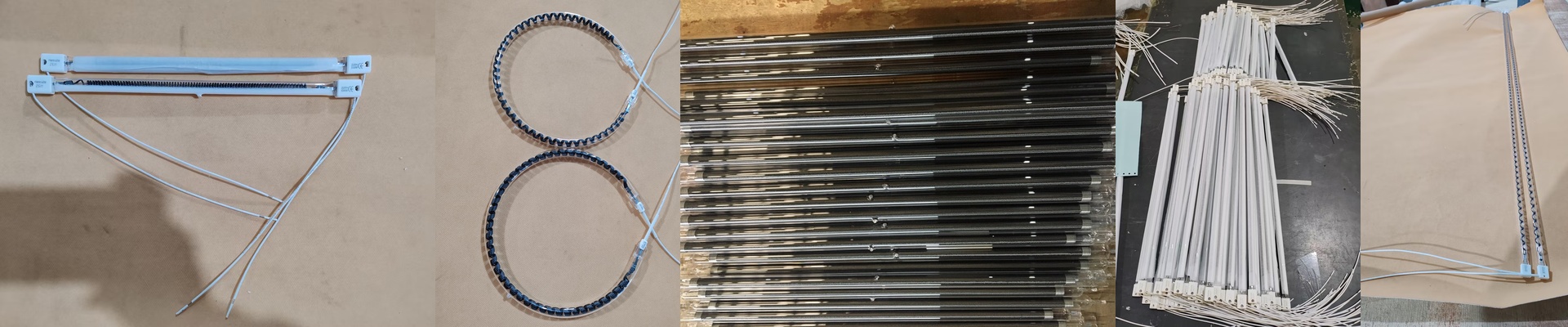
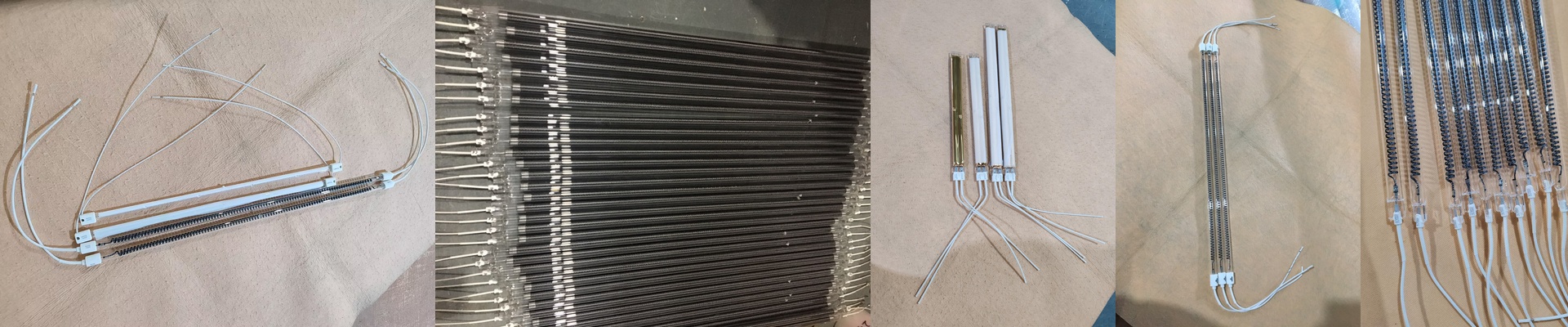
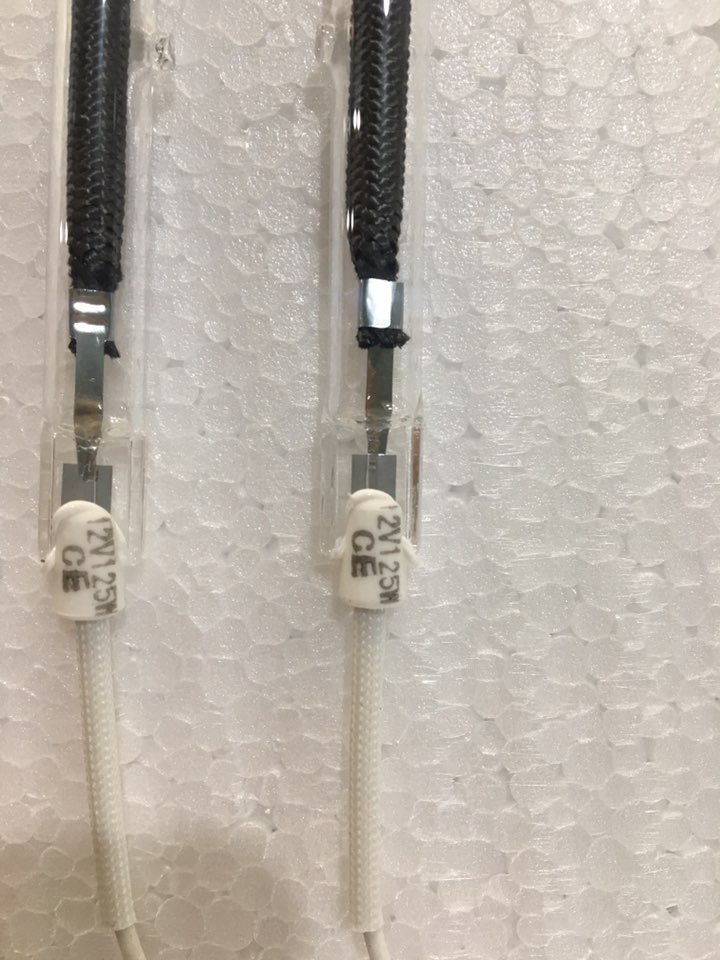
Let’s talk about the 1000W Quartz Carbon Heating Lamp
If you need heat—and you need it now—this is where our 1000W quartz carbon lamps come in. We built these for those moments where you can’t afford to wait around for a machine to warm up. Instead of using the same old metal filaments you see everywhere, we use a carbon-based element tucked inside a high-purity quartz tube. It’s a simple change, but it makes a massive difference. The heat is instant. With a 1000W rating, you’re getting a serious punch of energy. Because the quartz tube doesn’t soak up the heat itself, the infrared radiation shoots straight through the glass and hits your workpiece. It’s fast. Really fast. And that changes everything for your production line because your cycle times just plummeted. Why carbon? Here is the thing: carbon doesn’t behave like tungsten. It puts out medium-to-long wave infrared, which is a fancy way of saying it’s a perfect match for plastics or organic materials. Those materials just “drink up” this kind of heat. One quick tip:keep the glass clean. I can’t stress this enough. If you touch the tube with oily fingers, you’re creating “hot spots.” Those spots will eat through the glass and kill your lamp way sooner than it should. A few things to watch out for during setup Before you plug these in, double-check your controllers. These lamps have lower cold resistance than traditional heaters, meaning they hit your power supply with a big surge the second they turn on. If your gear isn’t ready for that, you’re going to be replacing blown fuses or fried SSRs. Not a fun way to spend a Tuesday. Also, remember that 1000W is a lot of power in a small space. If your housing doesn’t have decent airflow, the heat will just build up and start warping whatever is nearby. To keep things safe, we usually suggest a PID controller. It keeps the voltage steady and stops the filament from burning out during a spike. It’s just a smarter way to run the thing.