Getting the Most Out of Carbon Fiber IR Lamps
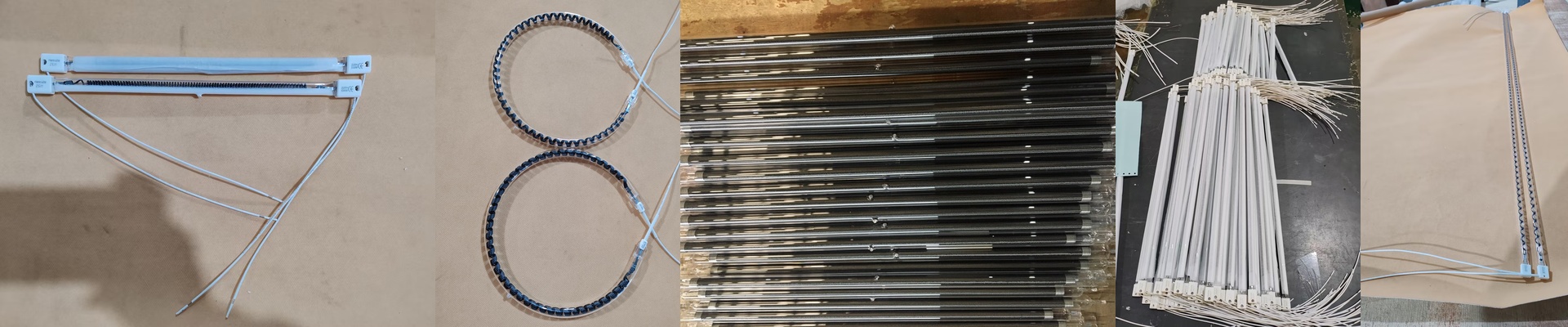
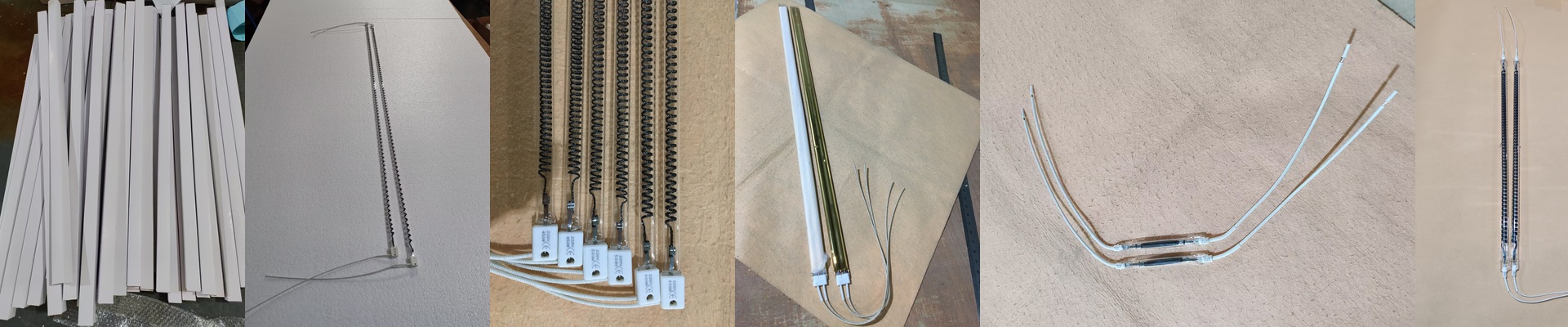
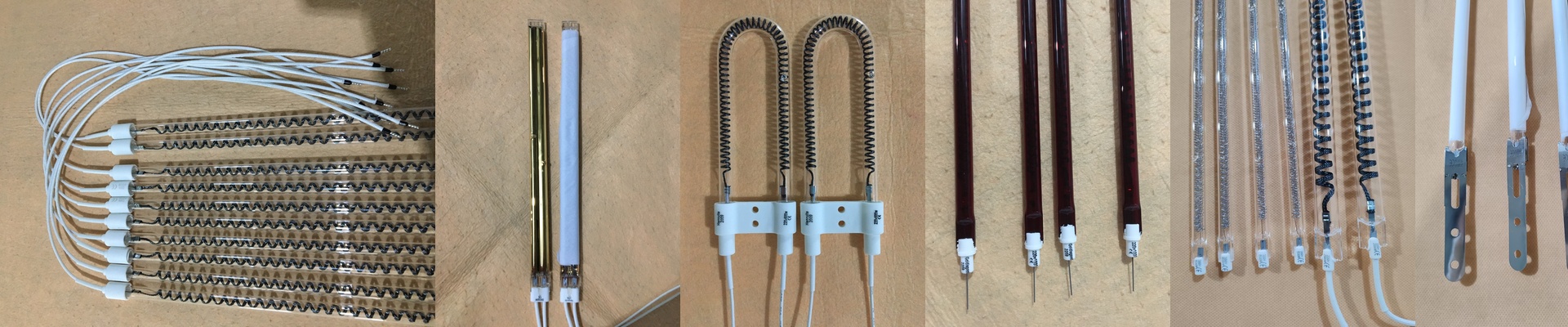
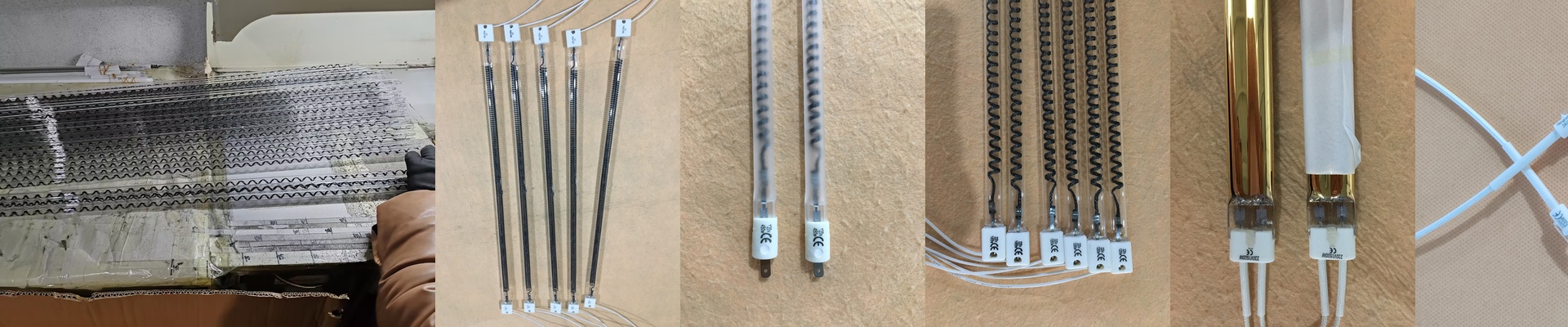
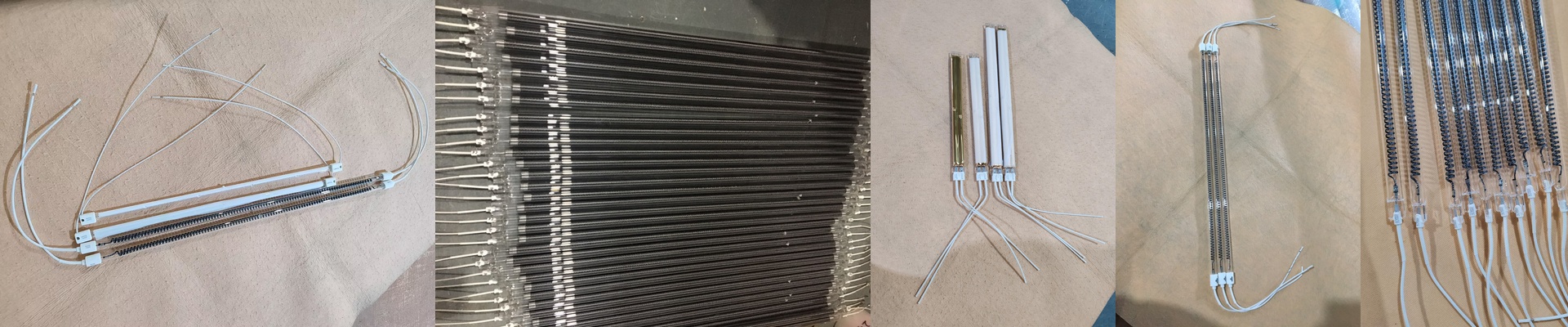
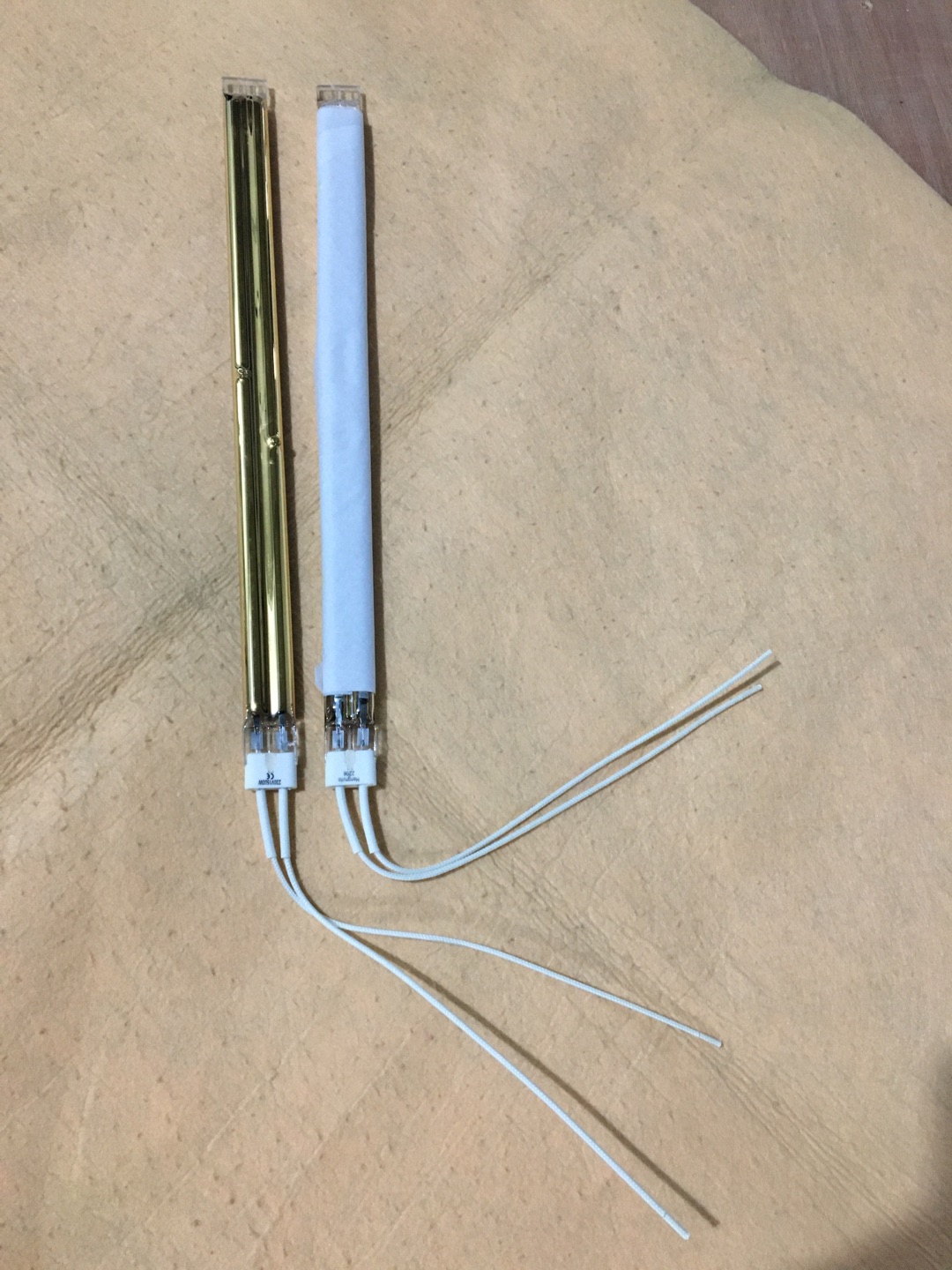
If you’ve ever used standard tungsten filaments, you know they have their limits. That’s why we use carbon fiber heating elements inside quartz tubes. It just hits different. You get a wider spectrum of heat and it ramps up almost instantly. We build these for the jobs where you need a massive burst of heat, and you need it now.
The Nitty-Gritty on Power
Your wattage and voltage are what really drive the heat flux. When you go with high-wattage tubes, you’re packing a lot of thermal energy into a tiny space. This is a lifesaver for things like curing resins or PET blowing. And here’s a pro tip: if you spec out a high-voltage system, you’ll pull less current. That means you can use thinner wiring and you won’t have to worry as much about voltage drops over long runs. But there’s a catch. All that concentrated heat puts a lot of pressure on the quartz. If your cooling airflow isn’t dialed in perfectly, the thermal stress will kill your tubes way sooner than they should.Keep them cool, or they’ll snap.
Design and Connections
One of the best things about carbon fiber is that it doesn’t sag. Metal filaments tend to droop when they get screaming hot, but carbon fiber stays put. This means your heat stays uniform from one end of the lamp to the other. For the connections, we stick with R7s or SK15 bases. They’re basically drop-in replacements for most industrial sockets. They fit tight, which is exactly what you want. It stops those annoying arc-over issues that happen when terminals get loose or rusty.
Real-World Use
These lamps are your go-to when you’re dealing with thick materials or need a surface dry in seconds. Because carbon fiber IR blends short and medium-wave radiation, the heat actually sinks deeper into the material. It doesn’t just sit on the surface. The result? Your cycle times drop. You get more done, faster. Just a heads-up: these things are a bit fragile. They don’t love physical shocks. If your machinery vibrates a lot, don’t just let them hang there—use reinforced clips to keep them from shaking loose or cracking. Also, do yourself a favor and wire them to a PID controller. It stops the heat from overshooting and prevents you from accidentally scorching your parts.