Getting the Most Out of Your Carbon Infrared Lamps
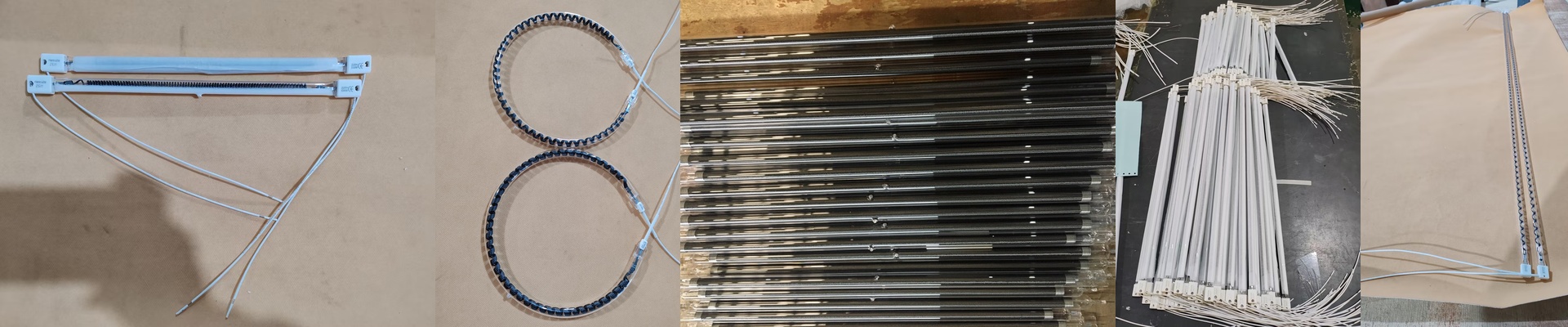
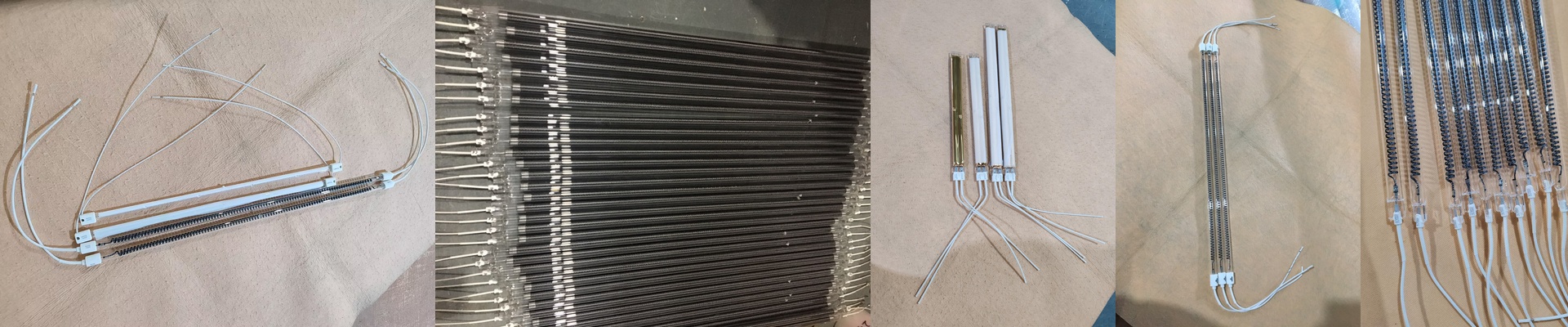
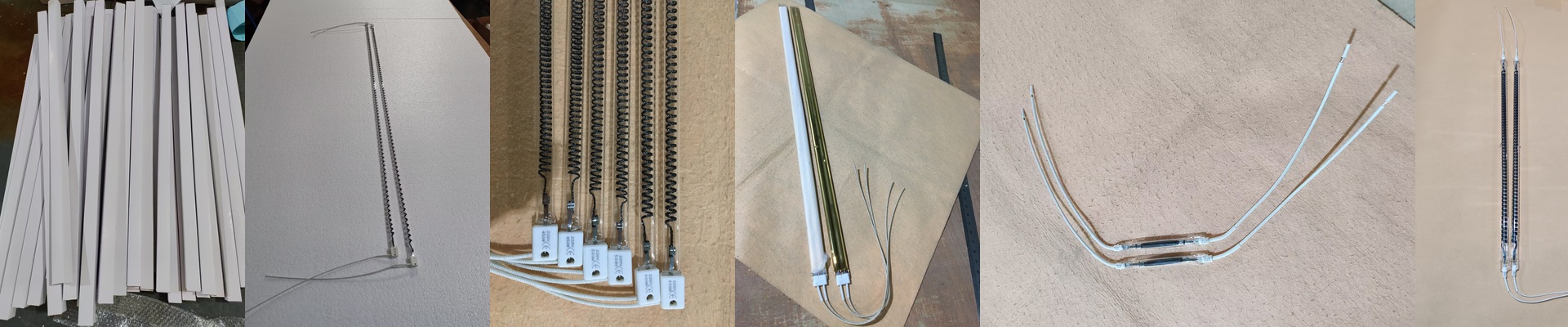
If you’ve ever worked with standard halogen tubes, you know the drill. But carbon infrared lamps are a different beast. Instead of a basic wire, these use a carbon fiber filament tucked inside quartz. The magic here is that they don’t need to get scorching hot to do their job. They pump out long-wave infrared energy, which is exactly what you want when you need heat to actually soak into a material rather than just sitting on the surface.
Getting the Power Right
When we’re picking out a lamp, it all comes down to heat flux. Think of it this way: if you cram more wattage into a shorter tube, you get a much more intense heat density. Now, about the voltage. Whether you’re on a 230V or 400V system, that number dictates how thick the filament is and how much current you’re pulling. High-voltage tubes are great for longer runs because you don’t have to worry as much about voltage drop. Just a heads-up, though—they can be a bit tougher on your insulation. And please, double-check your power supply. If the wattage doesn’t match up perfectly, you’ll likely fry the filament before it even has a chance to work.
The Nitty-Gritty: Glass and Plugs
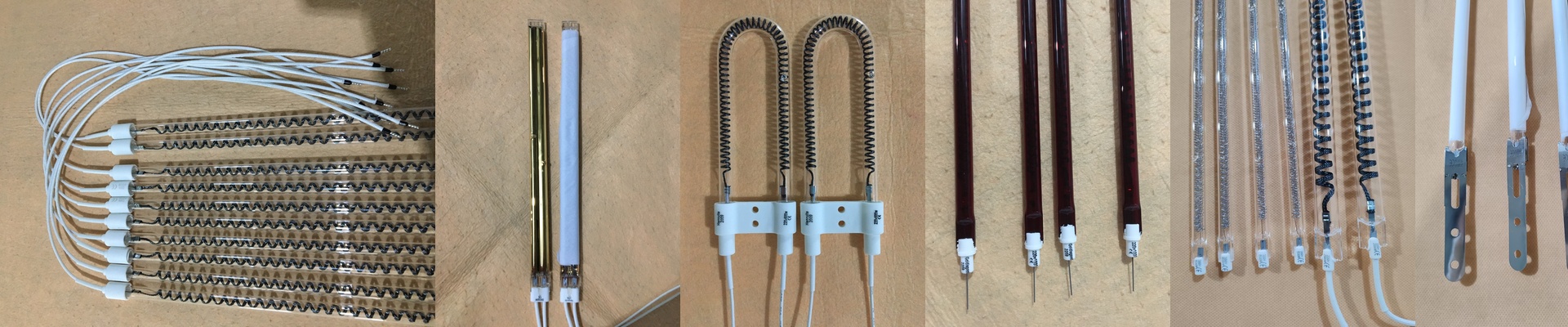
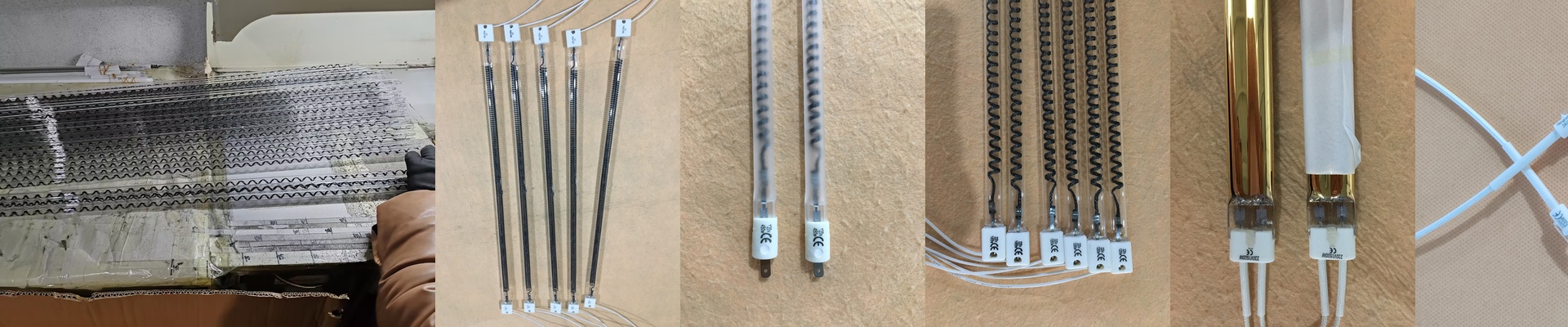
The quartz envelope is there to keep the carbon from oxidizing. Depending on your setup, you can go with clear glass or gold-coated. I usually recommend the gold if you want to push the energy forward. It basically acts like a mirror, reflecting the heat right onto your target. For the connectors, we stick with R7s or Sk15. They’re easy, drop-in replacements for most industrial ovens. Plus, they fit snugly. You don’t want your lamps rattling around while the machine is vibrating, or you’re going to have a very bad day.
Where They Shine (And Where to Be Careful)
These are a lifesaver for things like PET blowing, plastic welding, or curing paint. They heat up fast. Really fast. That means you aren’t wasting half your morning waiting for the machine to warm up, which saves you a ton of electricity. But here’s the catch:they’re fragile. Despite the massive heat they put out, that quartz glass is sensitive. A sudden temperature shock or a clumsy bump can crack the tube instantly. When you’re installing them, make sure your mounting brackets aren’t pinching the glass. If they are, the lamp will probably pop within a few hours. Give it some breathing room.