A Real-World Guide to Carbon Fiber IR Bulbs
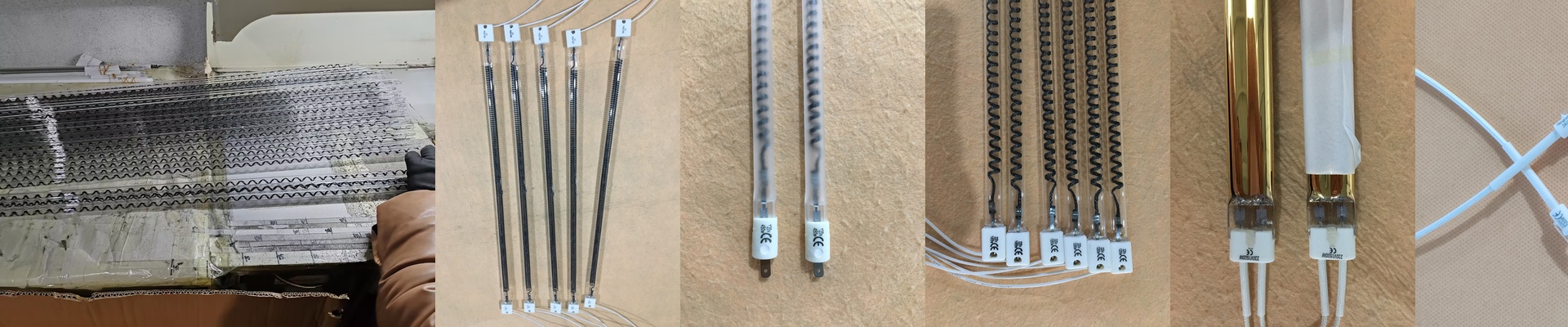
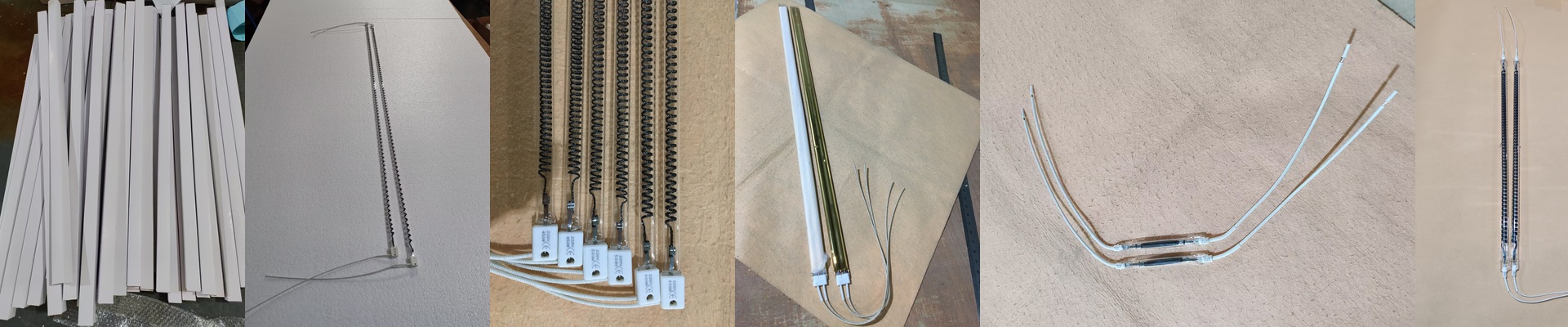
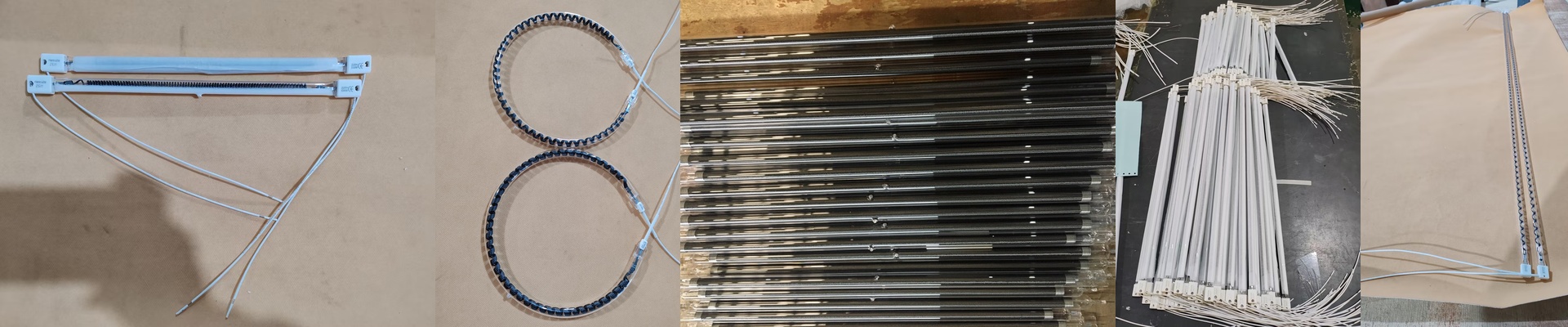
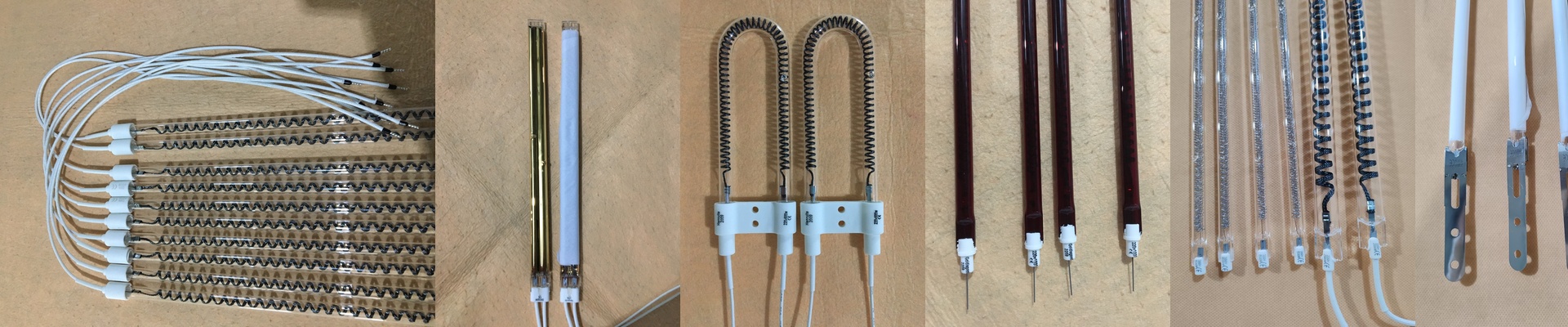
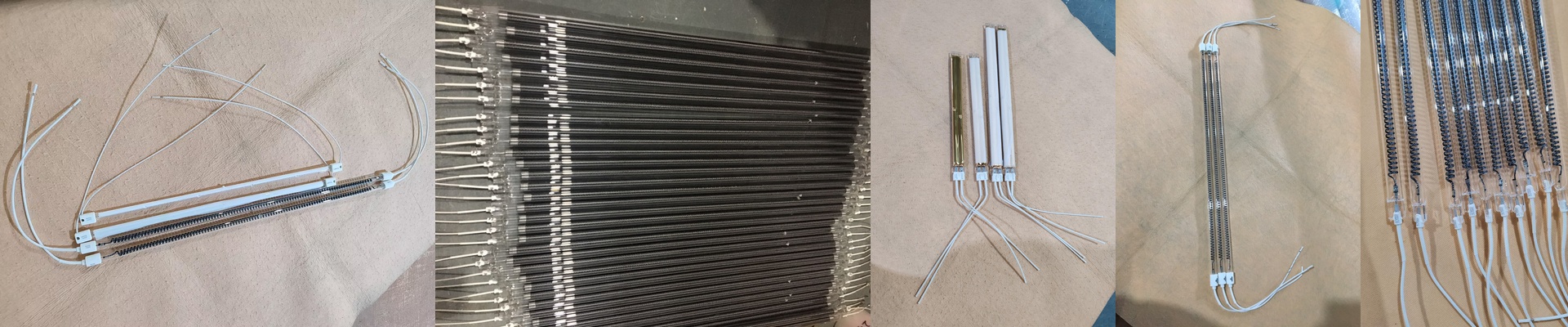
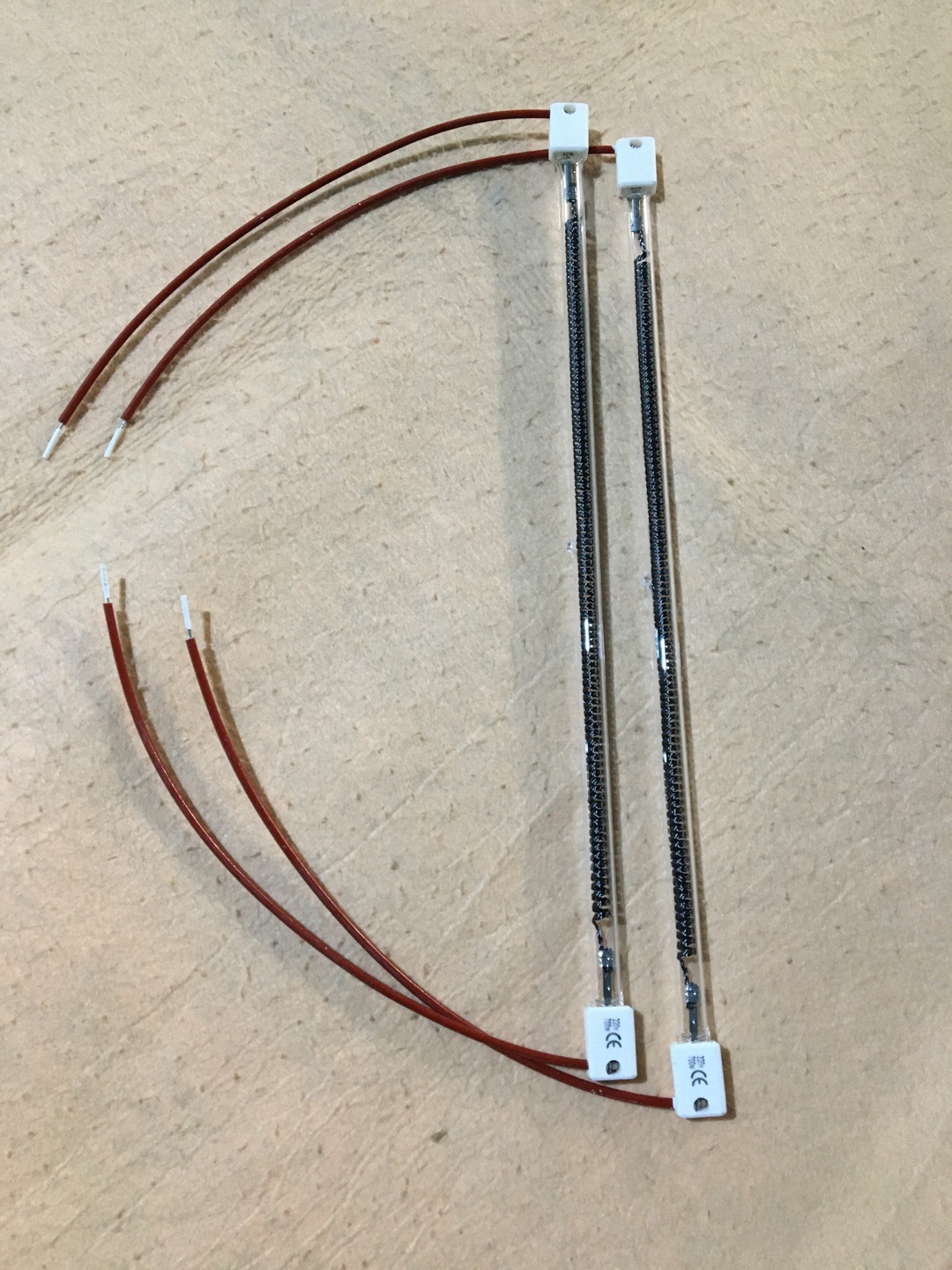
Let’s talk about carbon fiber infrared bulbs. At their core, these are just carbon filaments wrapped in quartz glass, but they work differently than the old-school metal ones. Instead of just heating up the air around them, they blast out shortwave radiation. It’s direct. It’s intense. And it gets the job done a lot faster. Getting the Power Right When we build these, it’s all about the balance between wattage and length. If you cram a ton of power into a short bulb, you get incredible heat density. That’s exactly what you want if you’re running fast cycles and can’t afford to wait. We use high-voltage setups so you can push that power without blowing a breaker or melting your wires. But here is the catch:your power supply has to be spot on. If you undervolt, the heat won’t penetrate the material. If you overvolt? You’ll fry the filament in a few hours. Simple as that. The Build and the Fit We use quartz glass because it doesn’t freak out when the temperature swings wildly. Sometimes we add coatings to tweak the wavelength or just to keep grime off the tube. For the ends, we stick with R7s or SK15 connectors. They’re standard for a reason—they just fit. You can swap them into most industrial heaters without a headache. One quick tip:**don’t over-tighten the sockets.**If you put too much pressure on that quartz seal, it’ll crack. Just snug it up and leave it alone. What to Expect on the Floor If you’re doing PET blowing or curing plastics, these are your best friend. They hit the target instantly, which means your warm-up time basically disappears. But be careful. That shortwave IR is powerful. It digs deep and fast. If your cooling system isn’t up to the task, you might find your jigs warping or your machine frame getting way too hot. And please, keep them clean. A little bit of dust on the quartz creates hot spots, and that’s the fastest way to kill a tube. Keep it wiped down, and they’ll last.