Why we build our heat lamps with carbon fiber
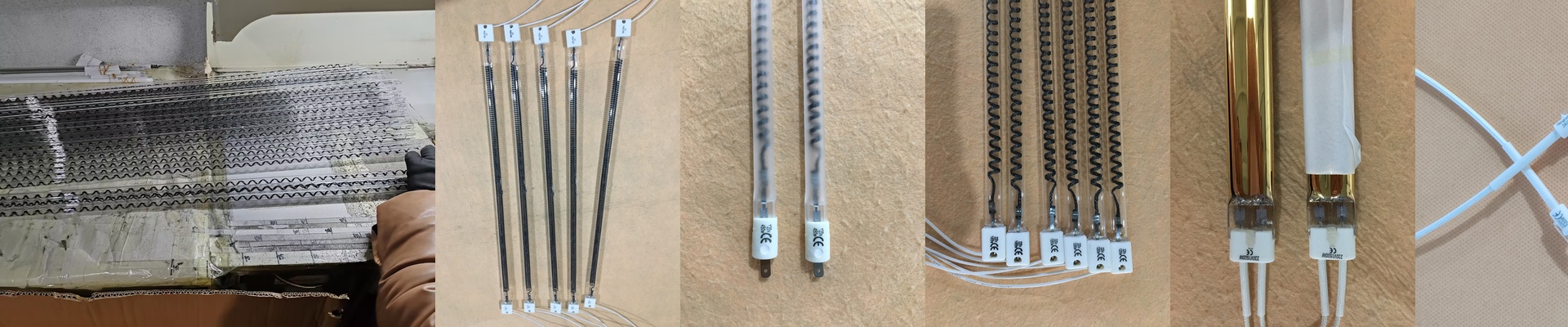
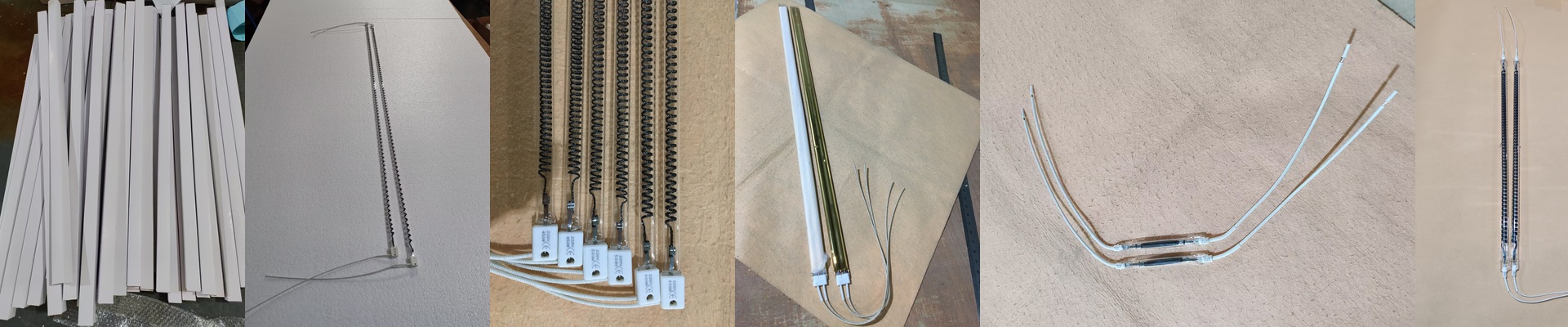
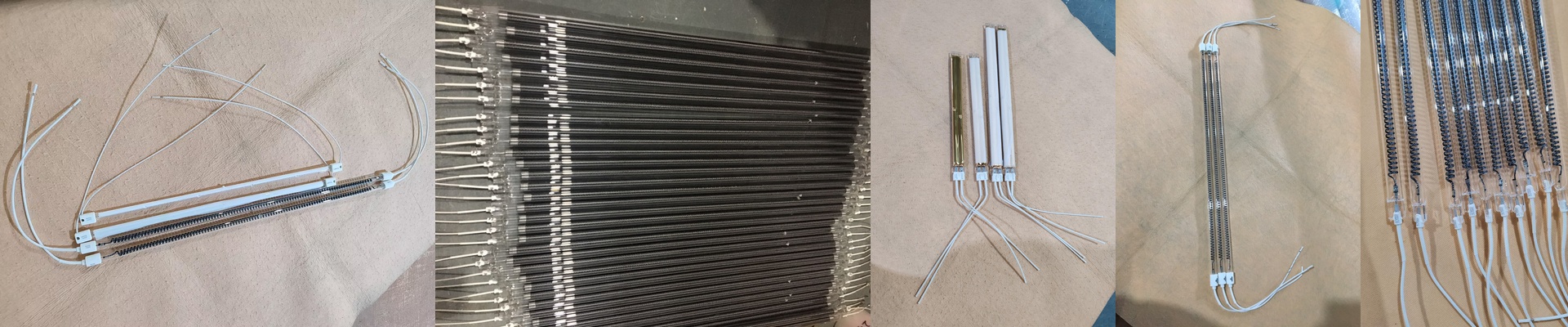
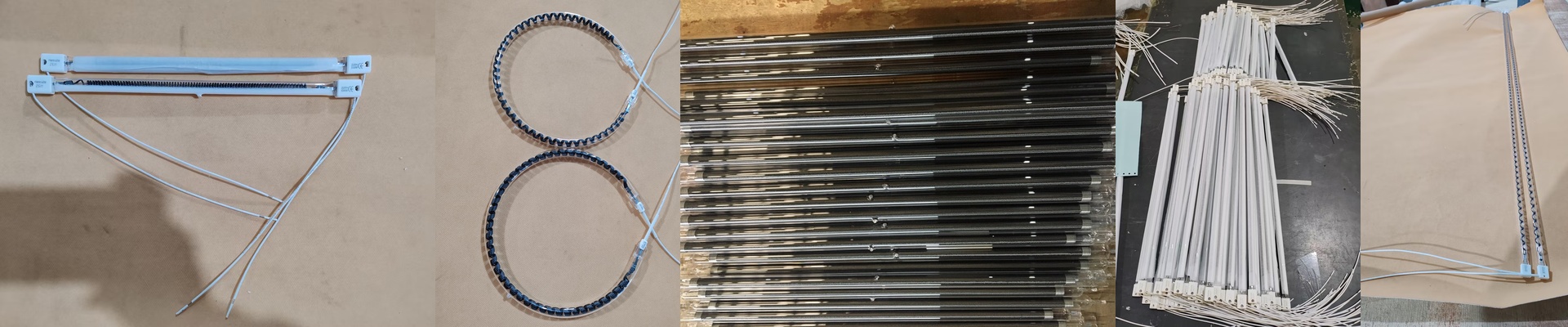
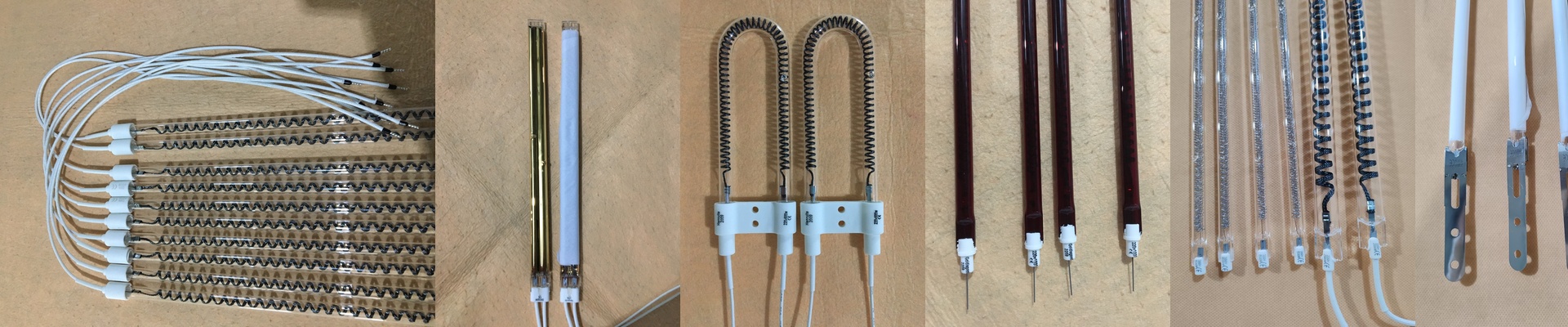
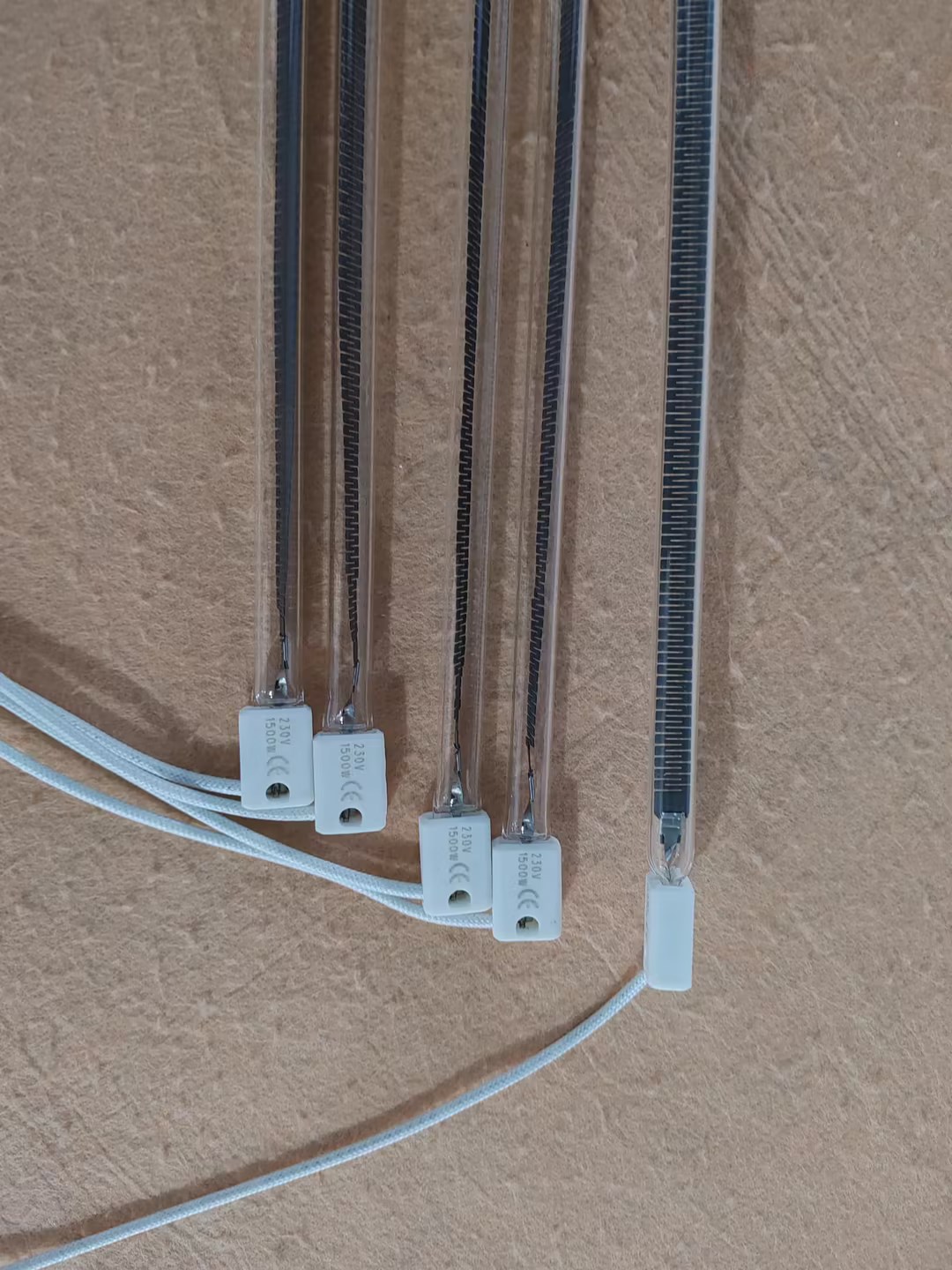
Let’s be honest: there is nothing worse than waking up to find your reptile’s heat lamp has burnt out in the middle of a cold snap. Those old-school tungsten bulbs are fragile. One little flicker in the power grid and pop—you’re left with a cold tank and a stressed-out pet. That’s why we went with carbon fiber. We wrap a carbon fiber heating element in quartz glass to create a lamp that’s just… tougher. It doesn’t just last longer; it changes the kind of heat your animal feels.
Better heat, less light
If you’ve used halogen bulbs, you know they can be blinding. It’s like having a stadium light in your living room, and it totally messes with your reptile’s sleep schedule. Our lamps shift things toward long-wave infrared. This means you get deep, penetrating warmth without the harsh glare. Your pet can actually sleep when they’re supposed to, and you get a steady, reliable heat footprint. Just a heads-up: make sure your thermostat is dialed in for the specific wattage of the bulb. You don’t want to accidentally bake your substrate.
Built to take a beating
We use quartz for the outer shell because it handles “thermal shock” like a champ. If the room temperature drops suddenly, the glass isn’t going to crack. And for those of you blending in UV-A and UV-B for D3 synthesis, we’ve balanced the IR output so everything works together. The real win, though, is the core. Carbon fiber handles voltage spikes way better than those cheap wire filaments. It’s just more durable.
The practical stuff
Getting these set up is easy. They fit right into your standard E27 or ceramic sockets. If you want the best results, pair one with a proportional dimmer. One thing to keep in mind: these aren’t “instant” heaters. They take a little longer to ramp up than a halogen bulb does. If you need a sudden, violent spike in temperature, these aren’t for you. But if you’re looking to create a rock-solid, long-term basking zone where your pet feels safe and warm? This is exactly what you want.