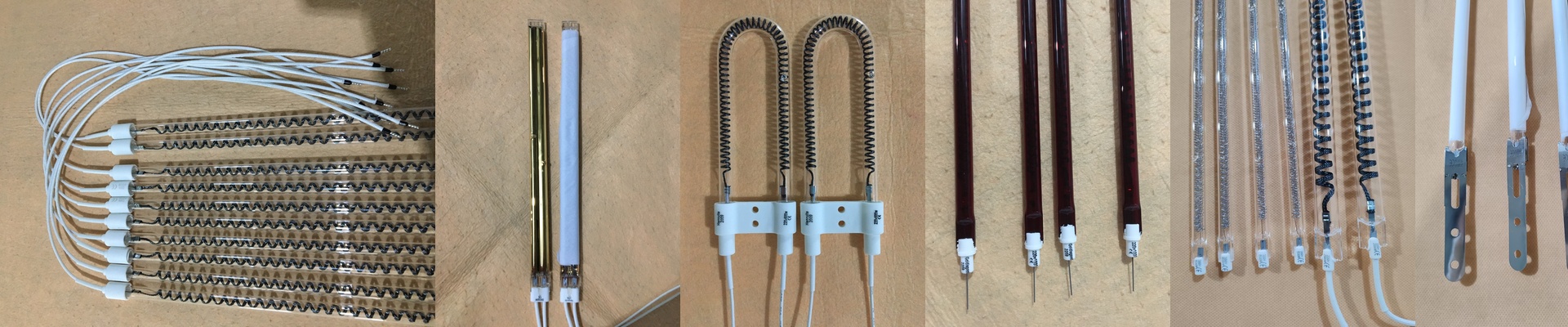
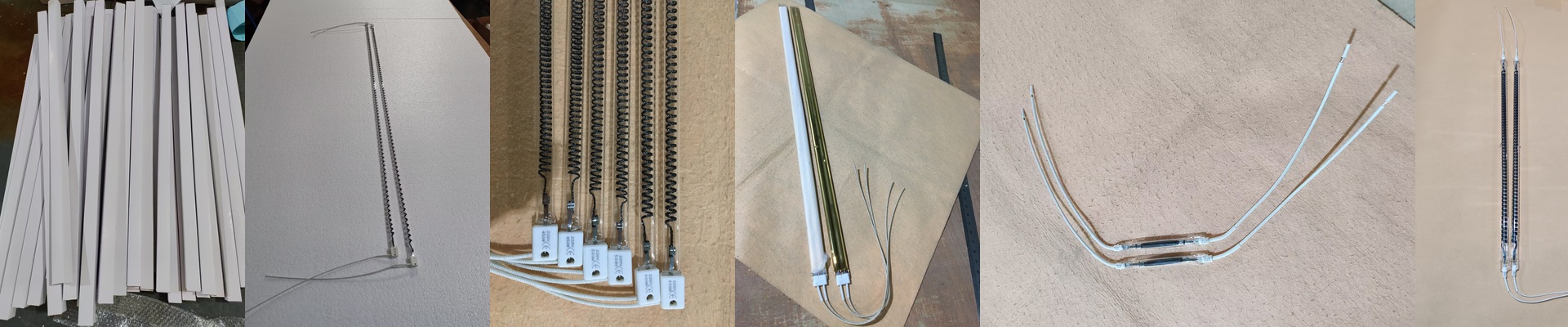
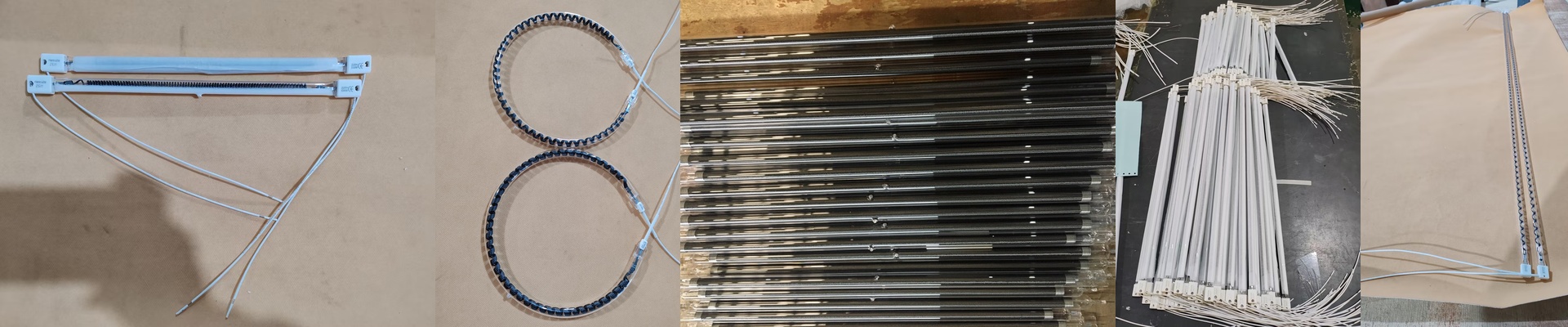
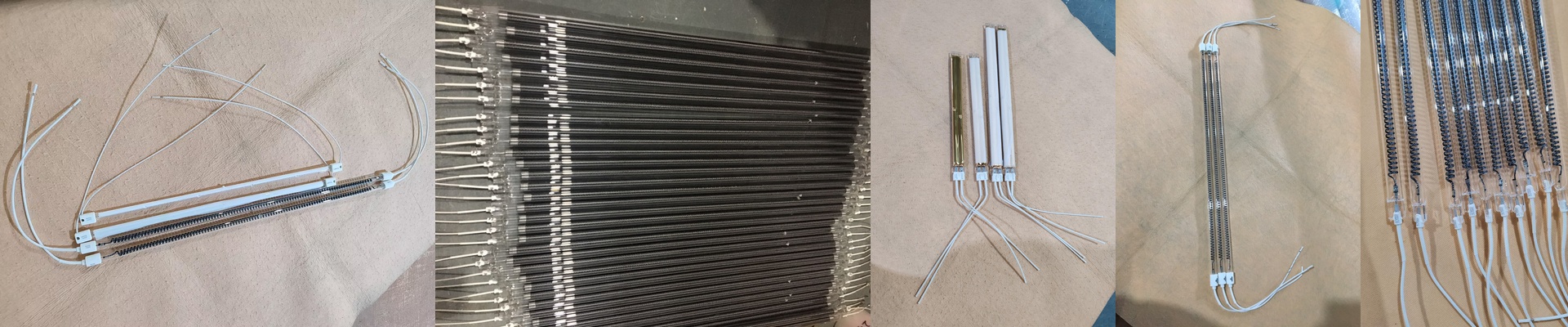
How Carbon Fiber Heaters Actually Work
Most old-school heaters rely on those thin tungsten filaments you see in lightbulbs. We do things differently. We use a carbon-carbon composite emitter. Why? Because we want to heatyou, not just the air around you. It’s the difference between waiting for a room to slowly warm up and feeling that instant glow the second you flip the switch.
The Nitty-Gritty on Power
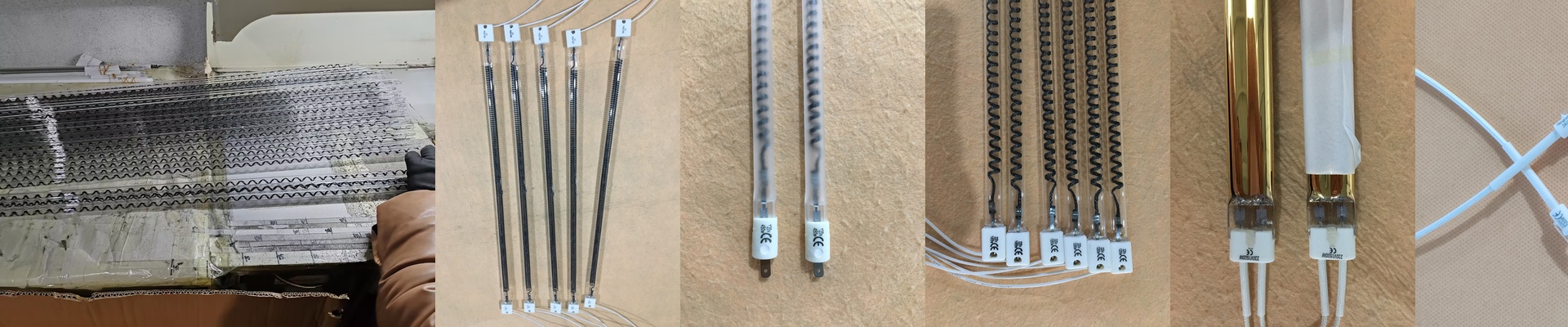
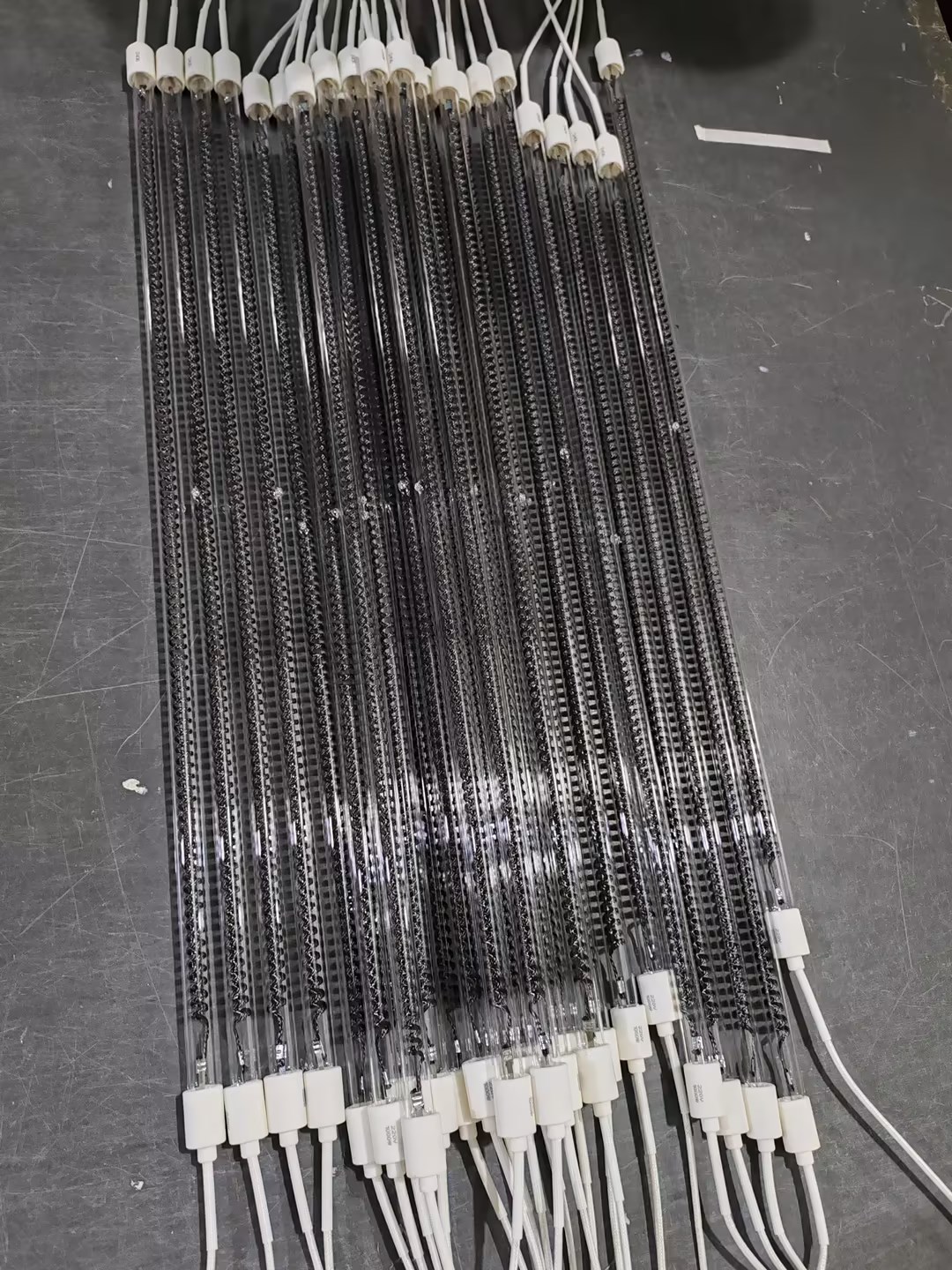
Inside the quartz tube, there’s a carbon fiber tow. When the current hits it, it gets hot—fast. Now, you can play around with the wattage and voltage to get the heat density just right. If you go for a higher wattage, you get that immediate blast of warmth. But a word of caution: make sure your wiring and switches can handle the initial surge. If you push too much voltage through a tube that’s too short, you’re basically just asking for the emitter to burn out.
Building It to Last
We use high-purity quartz glass for the envelope. It’s tough. It doesn’t warp or freak out when things get incredibly hot. Since carbon fiber lets us use a wider diameter than those skinny tungsten wires, we get a much larger surface area to push out heat. For the connections, we stick with R7s or Sk15 terminals. They snap in tight, which means no loose fits and no scary electrical arcing.
The Trade-offs (Because nothing is perfect)
Here’s the honest truth: carbon fiber gives you a softer, more diffused kind of heat. It feels more natural and is way safer for a living room than a harsh halogen lamp. You won’t get that aggressive, industrial “punch” you’d find in a factory heater, but you get a longer lifespan and energy that spreads out better. One last tip:**don’t skimp on the reflector.**Use polished aluminum. If you don’t bounce that radiation back into the room, you’re basically wasting 30% of your heat by sending it straight into the back of the heater’s case.