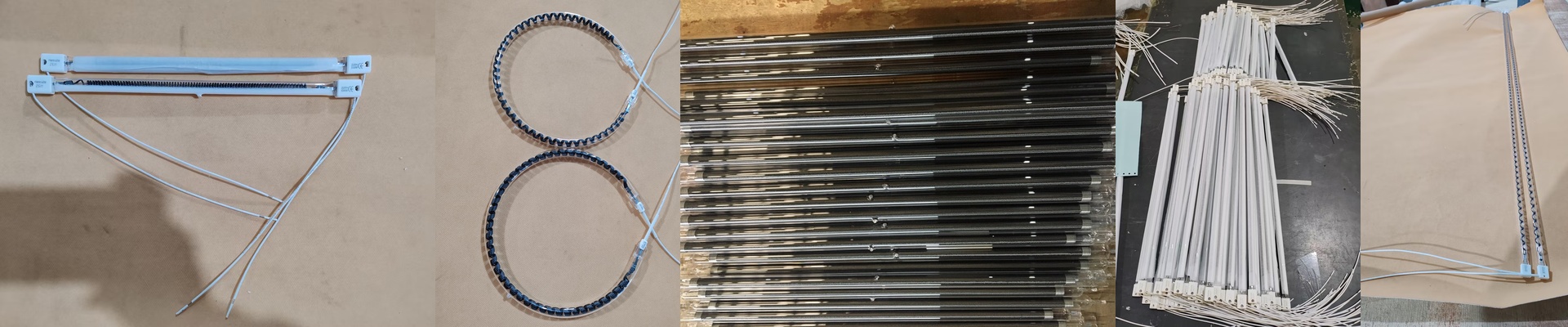
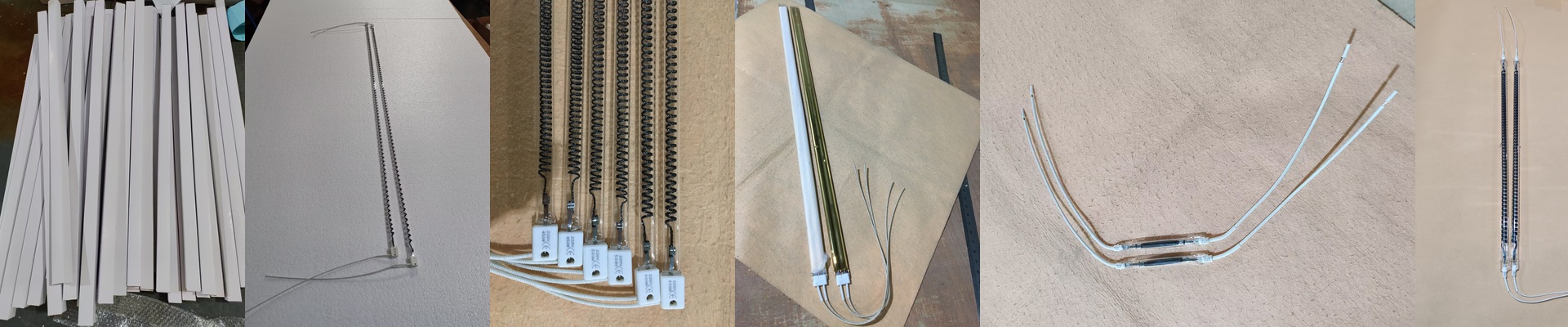
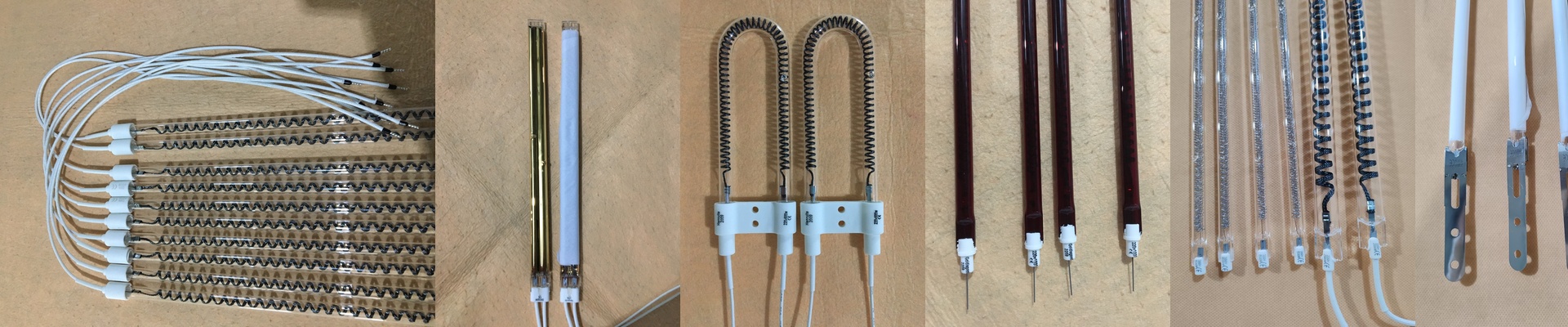
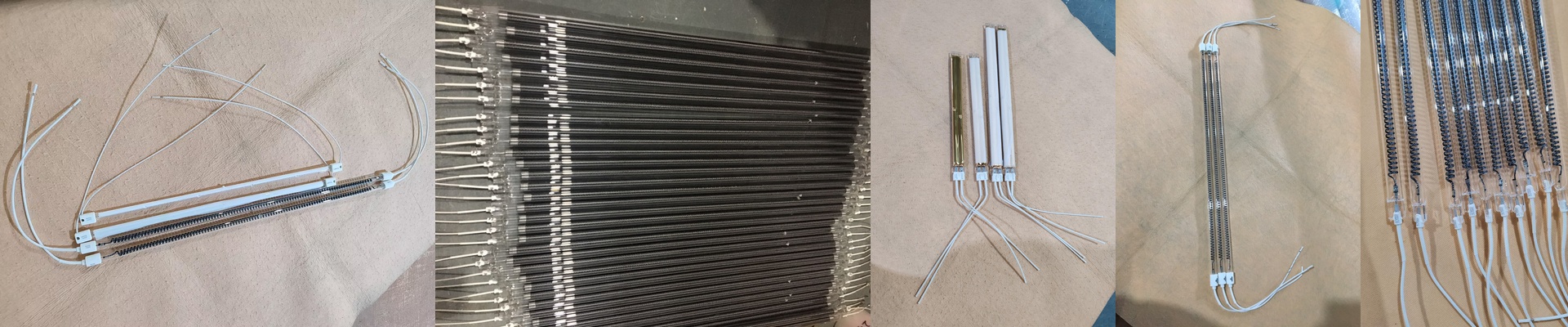
A Real-World Look at 590mm Carbon Fiber Infrared Lamps
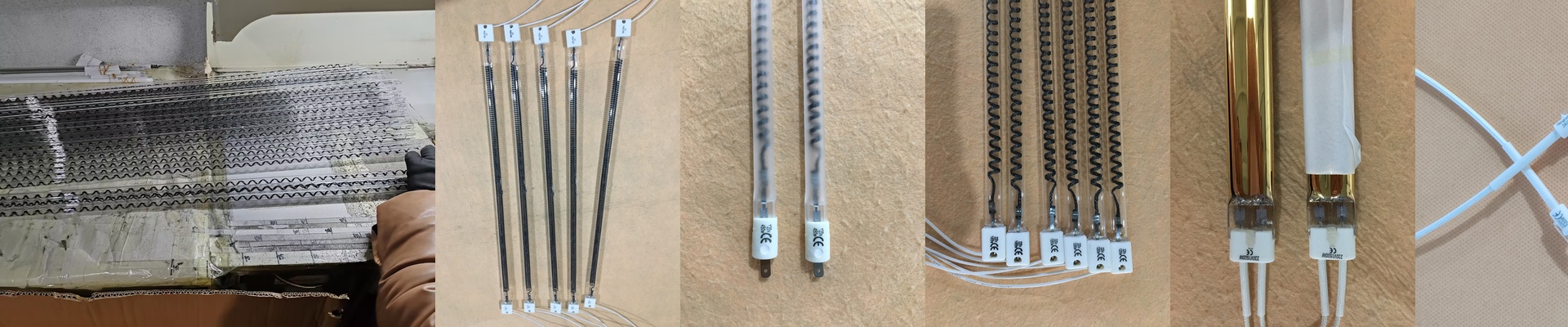
If you’re dealing with high-intensity heat, you know the struggle of getting materials to actually warm up all the way through. That’s where our 590mm carbon fiber lamps come in. Instead of the usual quartz heaters, we use a carbon fiber filament tucked inside a quartz tube. The result? The heat doesn’t just sit on the surface—it sinks deep into the material. The fit and the fire At 590mm, these are built for the heavy hitters—think medium-to-large industrial ovens or PET blowing machines. The carbon fiber is the secret sauce here. It heats up way faster than those old-school metal coils. You get a steady, concentrated blast of heat across the whole length, which means no more annoying cold spots ruining your batch. Just a heads-up: be strict with your power supply. Match the voltage and wattage exactly. If you don’t, you’ll fry the filament, and that’s a waste of a good lamp. Built to take a beating We wrap the filament in quartz to keep oxidation from eating it alive. We also spent a lot of time on the end-cap connectors because nobody wants to deal with arcing at the terminals. One of the best parts? Carbon fiber handles the “stretch” of heating and cooling much better than tungsten. You can cycle the power on and off rapidly, and the filament won’t just snap. It’s tough. Tips from the shop floor You’ll mostly see these wired into PET preform ovens or drying lines. Because they emit short-wave heat, the surface gets hot almost instantly. But here is the catch. These lamps put a massive amount of stress on your reflectors. If your reflectors are dirty or pitted, you’re throwing away about 30% of your heat. It’s a huge loss. Keep those surfaces polished if you want the heat to actually go where it’s supposed to. And if you’re dropping these into an old machine, please check your wiring gauge. These units pull a lot of current, and undersized leads will overheat fast. Not a great way to start the shift.