The Real Deal on OEM Carbon Fiber Heating Tubes
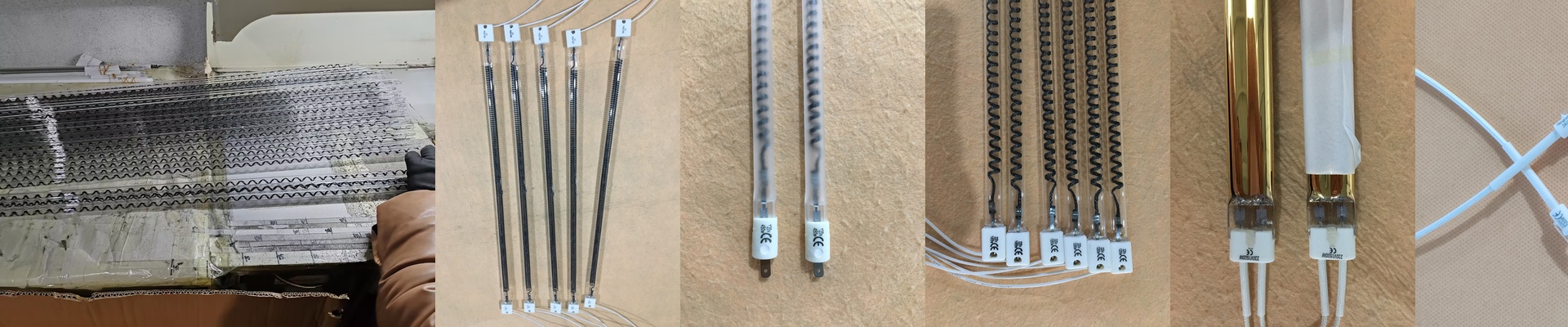
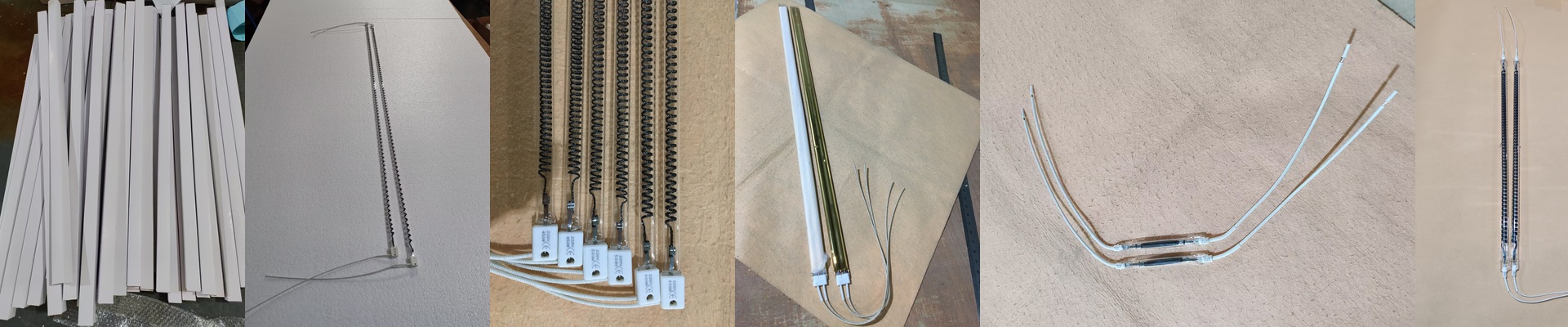
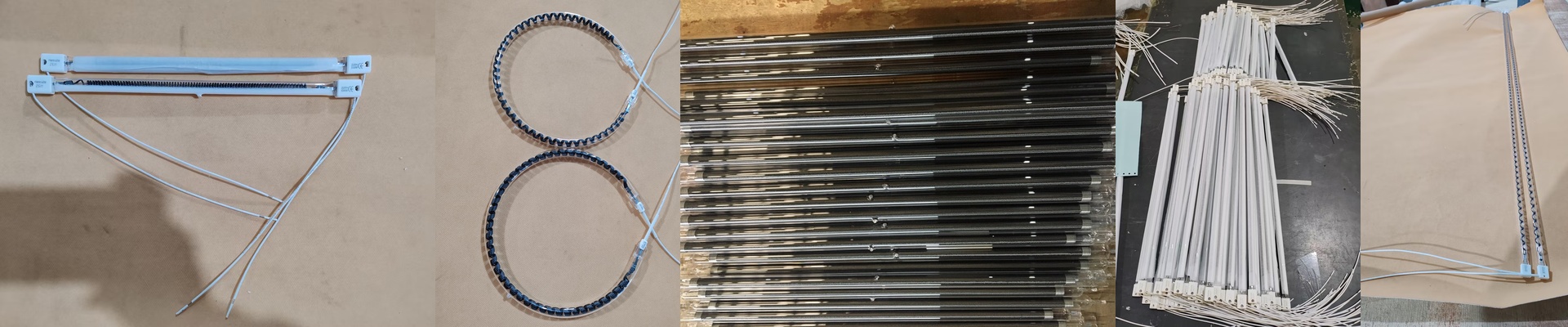
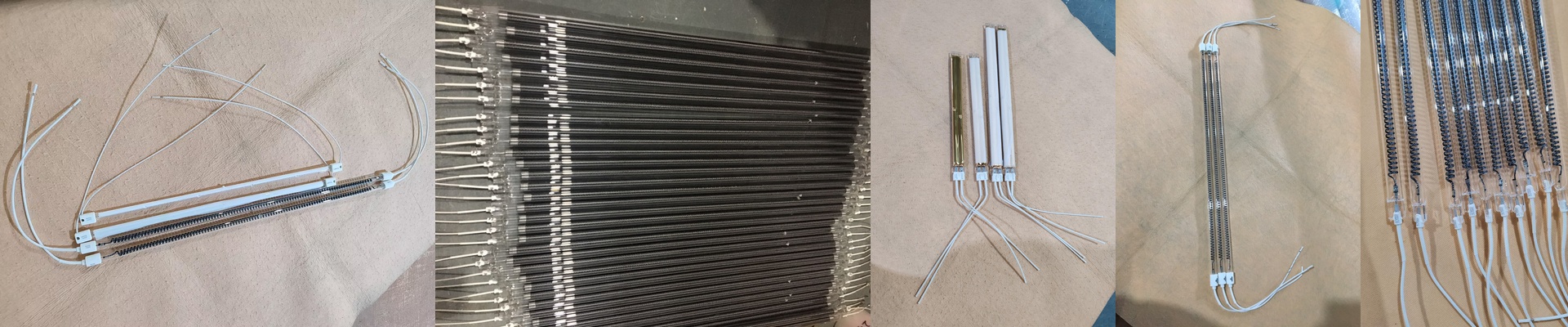
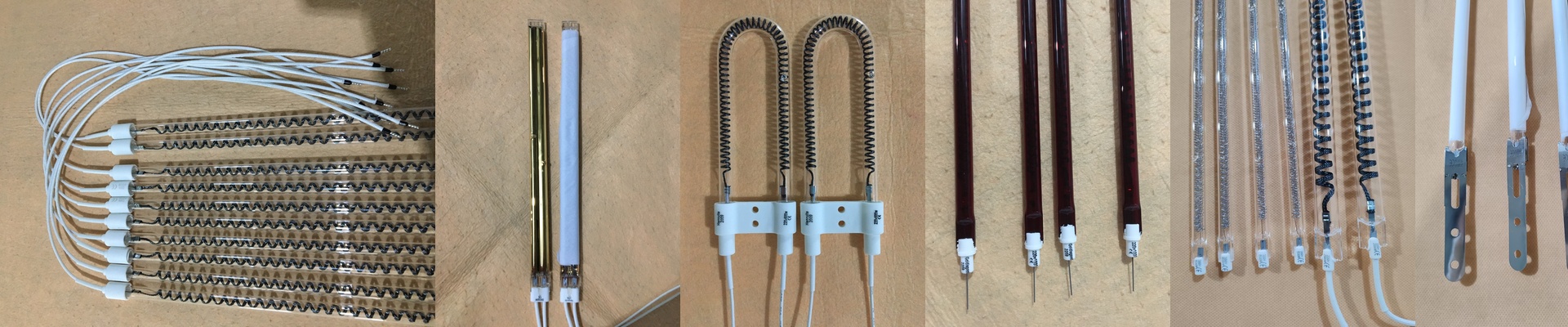
If you’ve ever worked with traditional metal coils, you know they can be a bit sluggish. Carbon fiber heating tubes are a different beast. Basically, we take a carbon fiber filament and seal it inside a quartz tube. Instead of just getting hot, these things pump out short-to-medium wave infrared radiation. If you’re building a machine and need it to heat upnow, this is the way to go.
Getting the Power Right
When you’re picking your specs, it all comes down to the relationship between voltage and wattage. Think of it as your “heat punch.” If you cram a lot of wattage into a short tube, you get an intense burst of heat. It’s great for industrial cycles where every second counts. But here’s a warning: don’t get creative with your power supply. If you push too much current through a low-voltage tube, that filament will snap. Just like that. Game over.
What’s Under the Hood?
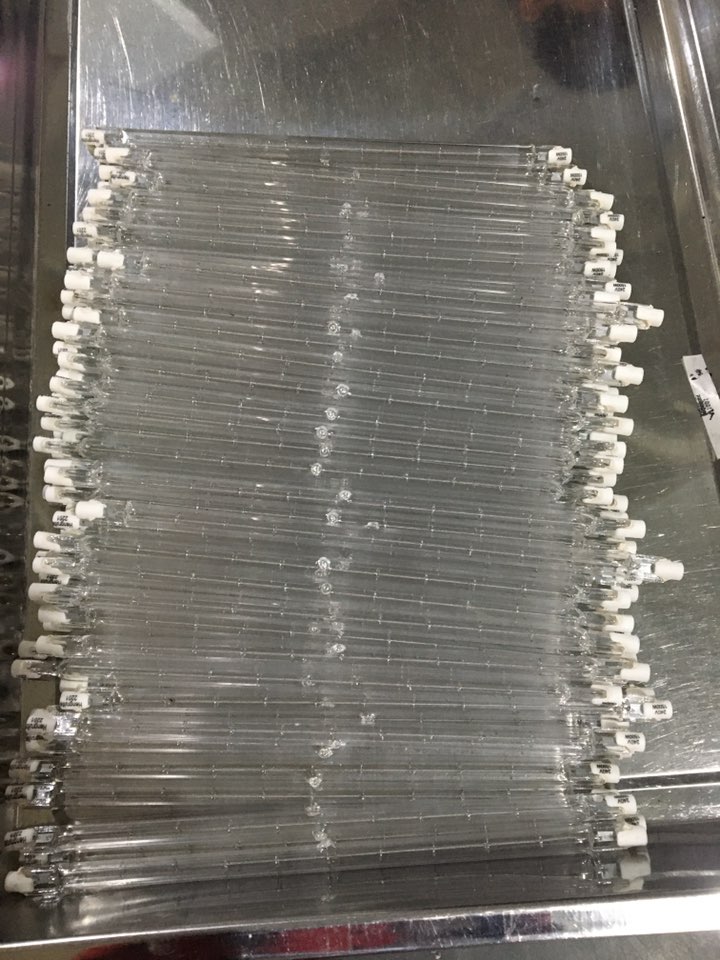
We use high-purity quartz for the outer shell. It’s tough, it handles the heat shock, and it keeps the filament from oxidizing (which is a fancy way of saying it keeps it from burning up). As for the connections, we usually stick with R7s or SK15 bases. They keep the electrical contact tight so you don’t have to worry about arcing at the terminals. Plus, we can add a special coating to some of them. This helps “aim” the heat exactly where you want it, so you aren’t accidentally baking your machine’s frame while trying to heat your part.
The Trade-offs (Because nothing is perfect)
If you’re moving away from old halogen systems, these are usually a simple swap. They ramp up much faster. But there’s a catch. Carbon fiber is brittle. If your machine vibrates a lot or shakes during a cycle, those filaments can break. If that’s your setup, you’ll want to isolate the heating bank to keep things steady. One last thing: these tubes throw heat in every direction. Make sure you’ve got some solid shielding in place, or you’ll end up frying your nearby sensors and wiring. Nobody wants a melted wire harness on day one.