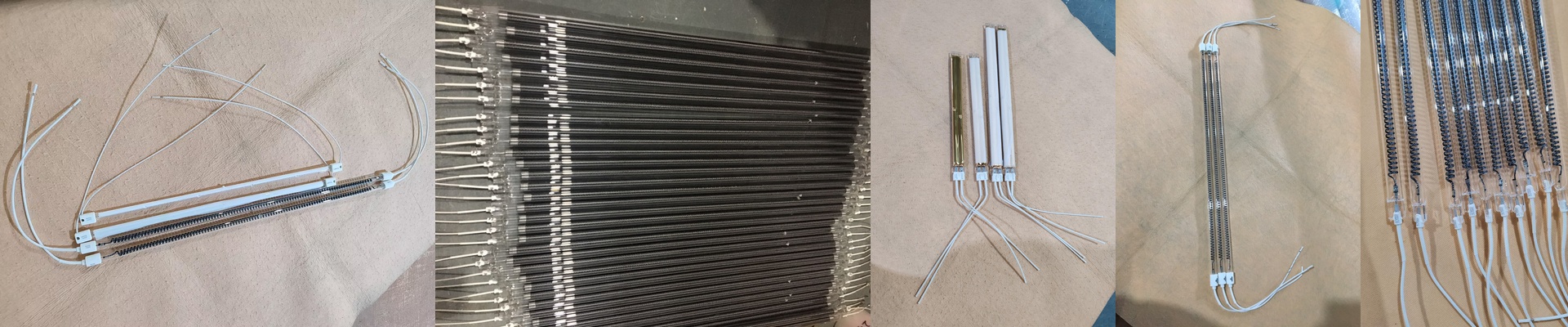
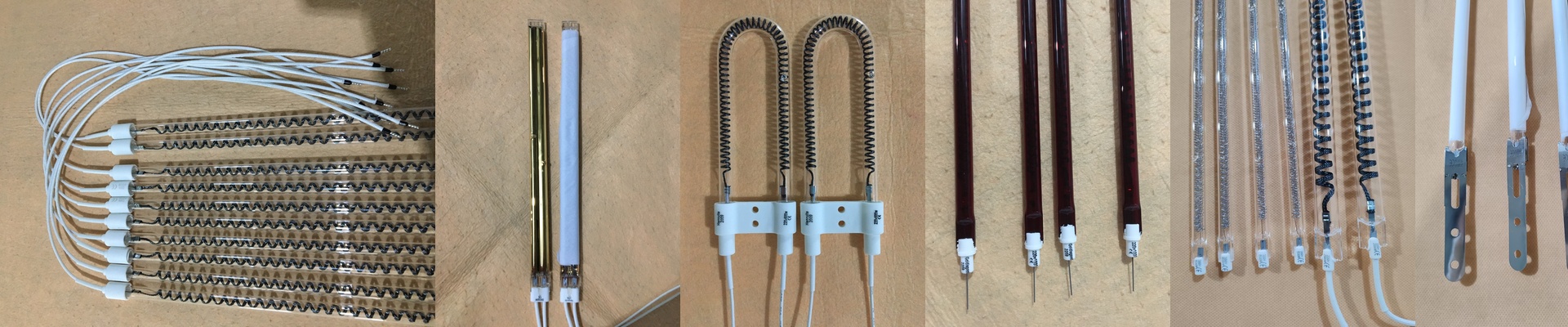
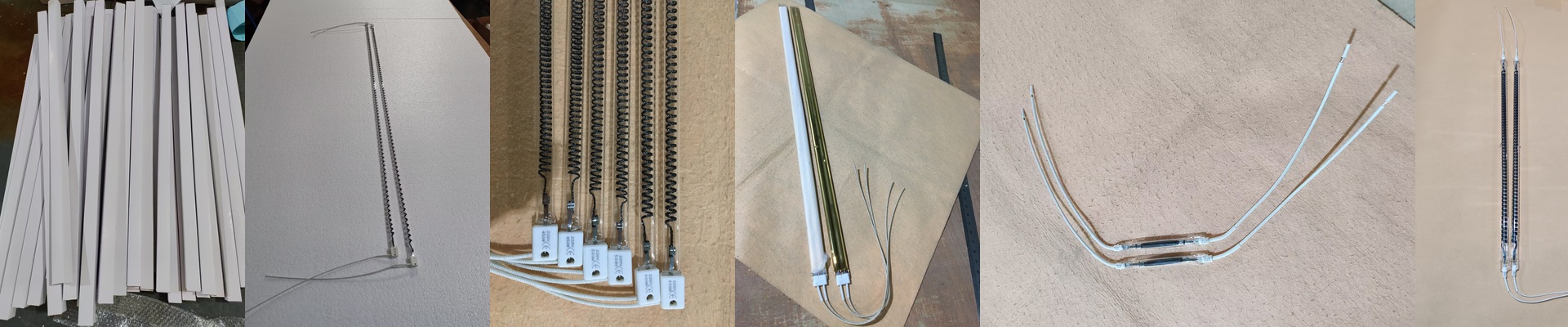
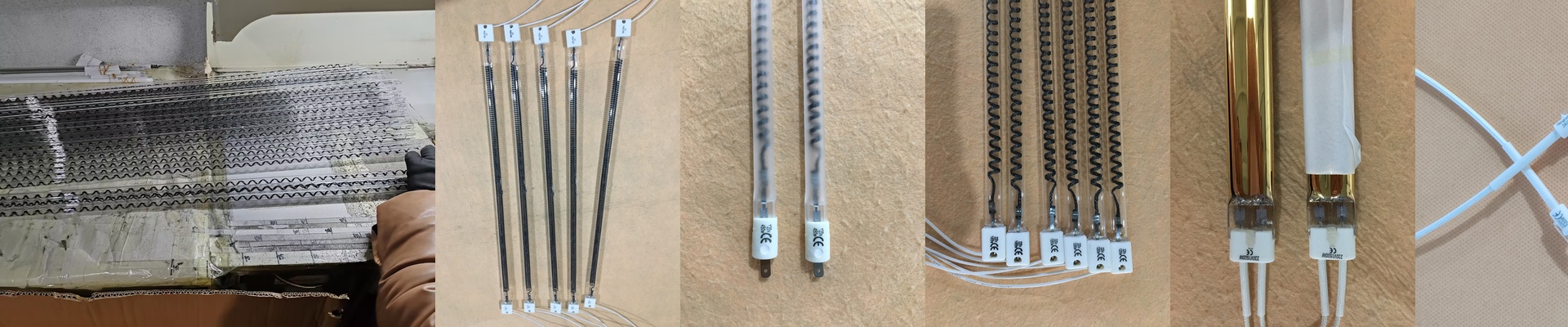
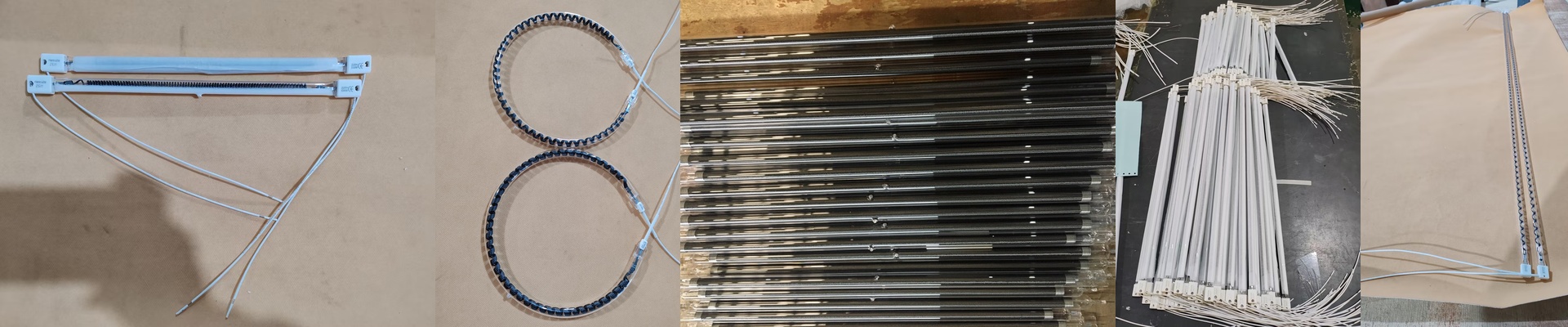
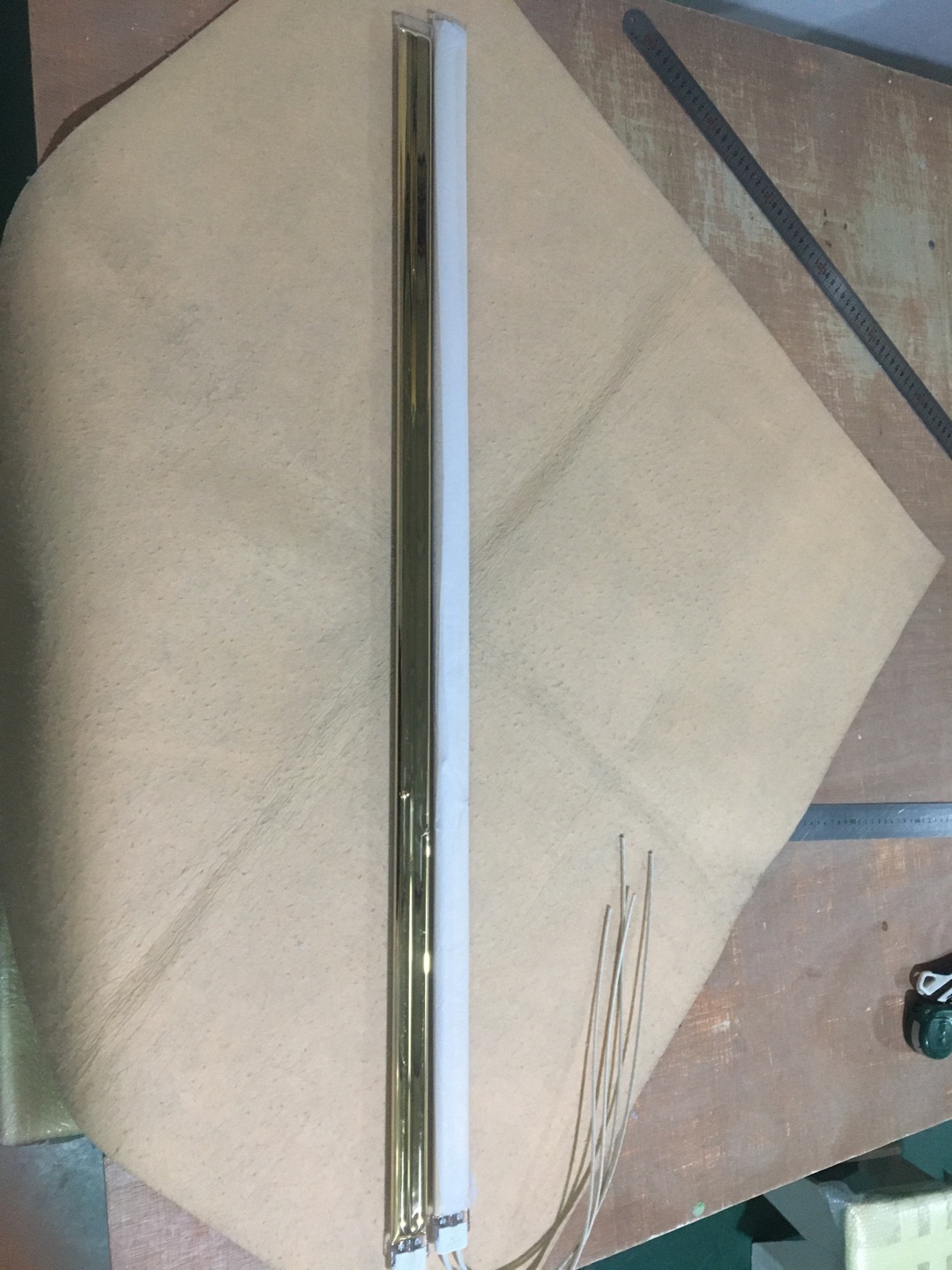
Let’s Talk Carbon Fiber Quartz Heating Tubes
If you’ve ever struggled with heaters that take forever to warm up or leave annoying cold spots, you’ll get why we use carbon fiber quartz tubes. Basically, we take a carbon filament and tuck it inside a high-purity quartz sleeve. The big win here? They hit their target temperature incredibly fast. While the old-school nichrome wires can be a bit hit-or-miss, carbon fiber spreads the heat evenly across the whole tube. No guesswork.
Power, Heat, and the Trade-offs
When you’re picking your voltage and wattage, you’re essentially deciding how hard you want the tube to work. High wattage means you’re packing a lot of energy into a small space. It gets hot—fast. You get a powerful blast of medium-wave IR radiation that just cuts through. But here’s the catch: that kind of power creates a lot of ambient heat. If your housing or cooling mounts aren’t up to the task, the ends of the tube can crack. It’s a bit of a balancing act.
The Nitty-Gritty: Materials and Plugs
We stick with quartz glass for a reason. It can handle a sudden jump in temperature without shattering, and it lets the IR radiation pass right through without soaking it up. The carbon filament is the secret sauce. It doesn’t need to get as scorching hot as tungsten to do its job, but it’s way more efficient at actually pushing that heat out. As for the electrical side, we usually go with R7s or SK15 connectors. They’re simple, standard, and usually slide right into your existing industrial setup. They fit tight, which means you don’t have to worry about sparks or arcing at the terminals. Just a quick tip: if you’re running a high-voltage system, make sure your leads can handle the current. If they can’t, you’ll get voltage drops, and your heating will start looking uneven.
Where This Actually Works
You’ll see these all over the place—PET bottle blowing, curing paint, welding plastics. They’re great because they kill those “cold spots” that ruin a finish or a weld. You get a nice, linear heat profile from end to end. One thing to keep in mind: quartz is glass. It’s tough with heat, but fragile with impact. If your machinery shakes or vibrates a lot, don’t just bolt them in. Use dampened mounts, or you’ll find your tubes snapping right at the seal.