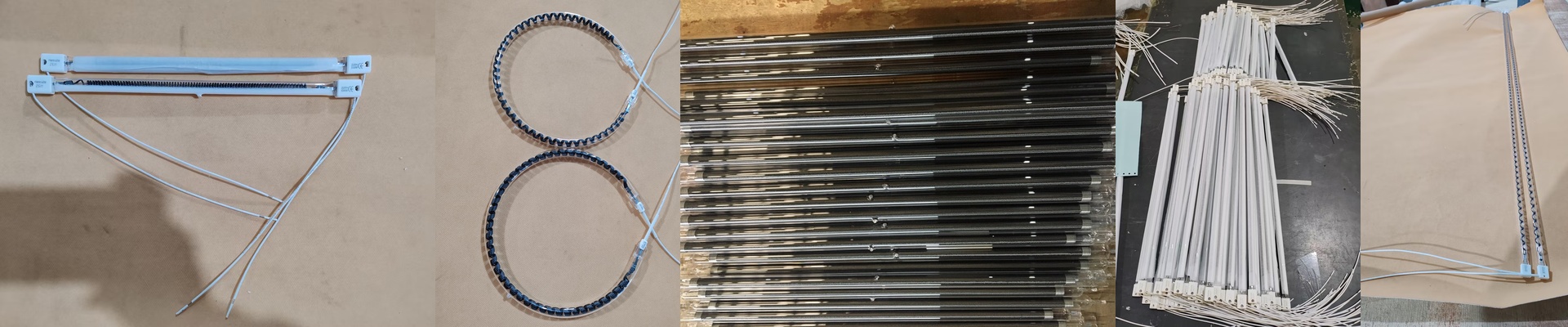
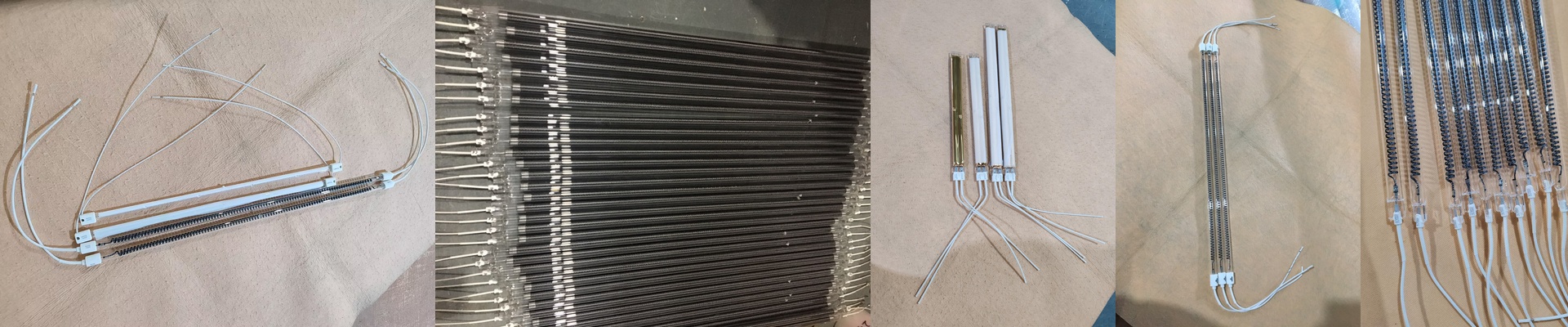
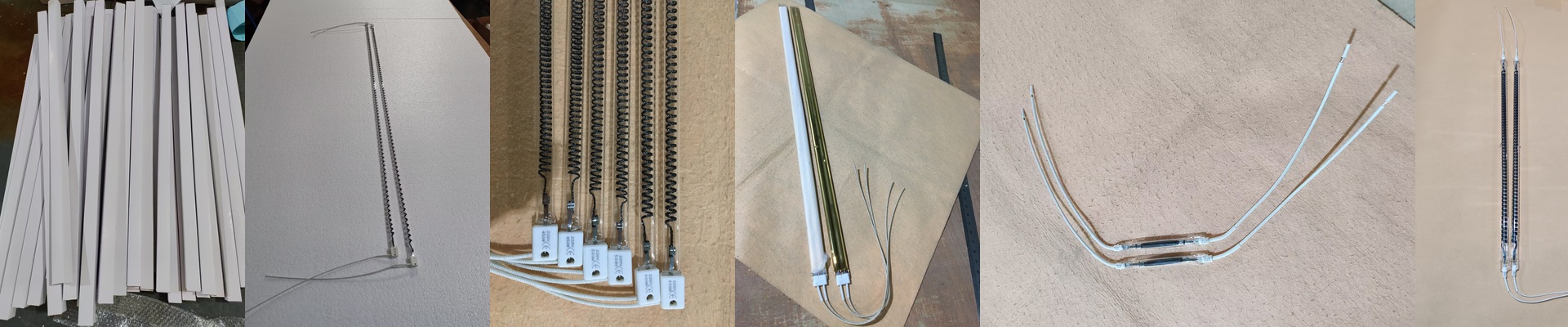
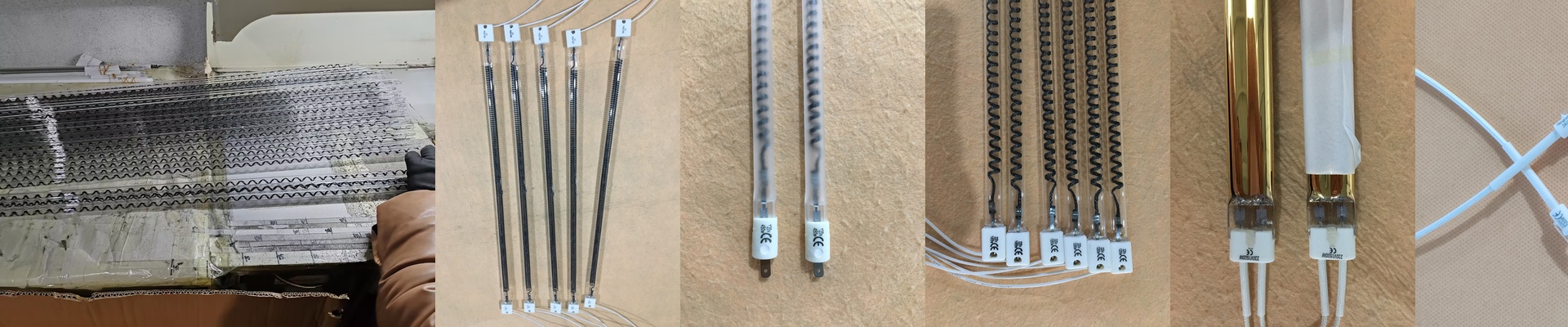

Why “OEM-Grade” Actually Matters for Your Quartz Lamps
Let’s be honest: buying quartz infrared lamps in bulk usually feels like a coin toss. You’re either paying a fortune for a big-name brand or crossing your fingers that the cheap generic tubes won’t blow out in a week. Here’s the secret: the real difference isn’t just a logo on the box. It’s about the purity of the materials and how strictly the production line is run. We actually supply the big brands. That means we’re using the same tolerances and the same high standards they demand. You get that professional performance without the “brand tax.”
The Truth About Power and Voltage
It all comes down to how the lamp handles heat. If you’re running a high-wattage tube, your voltage has to be spot on. I’ve seen people try to push more voltage to get a quicker heat-up, but that’s a trap. It might feel faster at first, but it kills the filament. We spend a lot of time calibrating our windings. Why? Because we want the heat spread evenly across the whole tube. No “hot spots.” When you avoid those spikes, the glass doesn’t warp and the filament doesn’t snap under pressure. It just works.
The Nitty-Gritty: Materials and Plugs
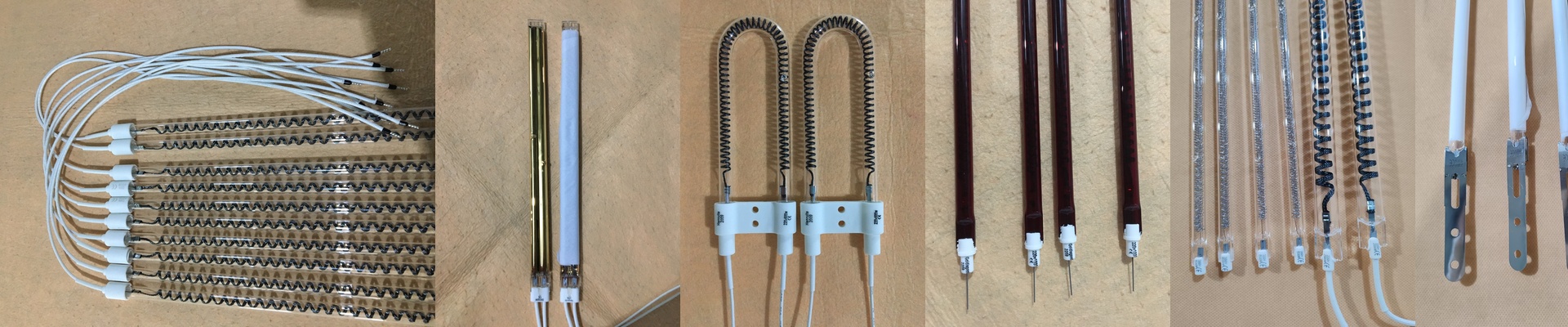
We use high-purity synthetic quartz. It’s tough. It can handle being heated up and cooled down rapidly without cracking. For the heavy-duty stuff, we add halogen gas. This basically “recycles” the filament, allowing it to run hotter and last longer. Then there are the connectors—the R7s, the Sk15, all of them. A loose fit is a nightmare. A gap in the connection creates resistance, resistance creates heat, and suddenly your socket is melting. We make sure our end-caps seat perfectly. No wiggle room, no melted plastic.
Putting Them to Work
These lamps are absolute workhorses. Whether you’re doing PET blowing or industrial curing, they give you that immediate thermal punch you need to keep your line moving fast. But a quick heads-up: no lamp is invincible. Even the most expensive brand-name tube will fry if your power supply is unstable. Voltage spikes are the enemy. Just make sure your transformer matches the lamp’s rated voltage, and these things will keep humming along for a long time.