Getting Your Sulfet Rotary Printer to Actually Hit Its Heat Targets
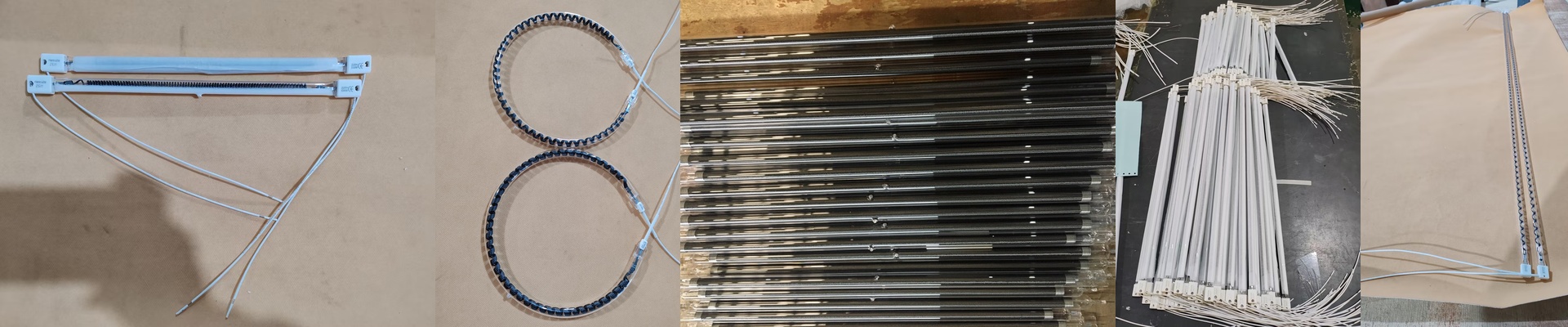
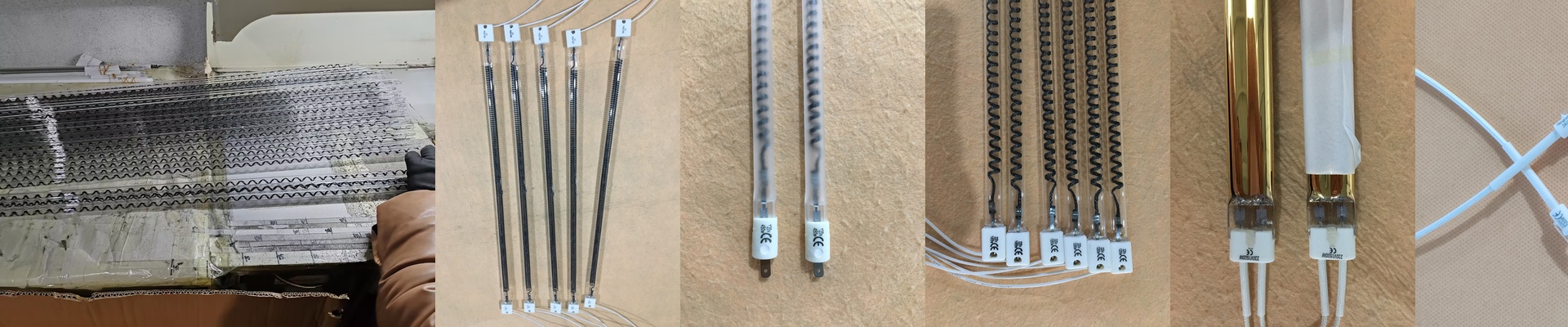
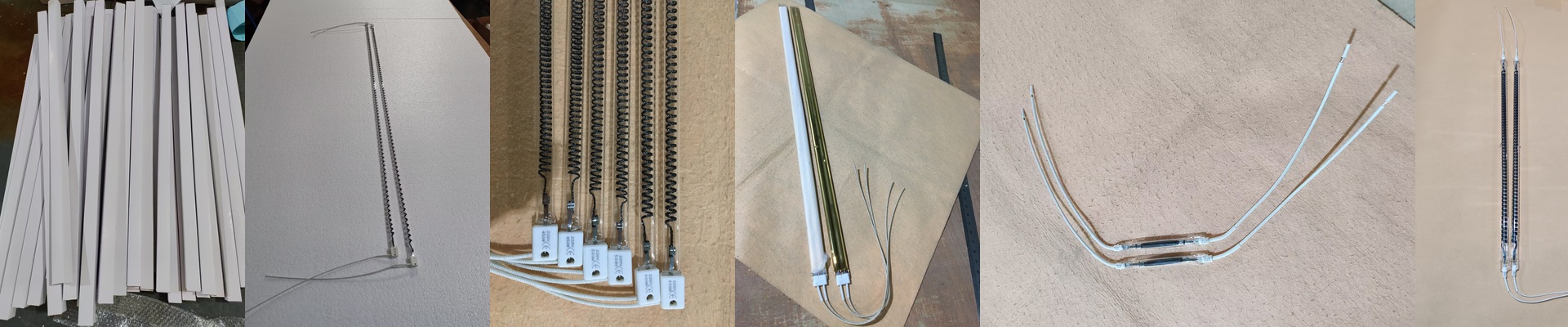
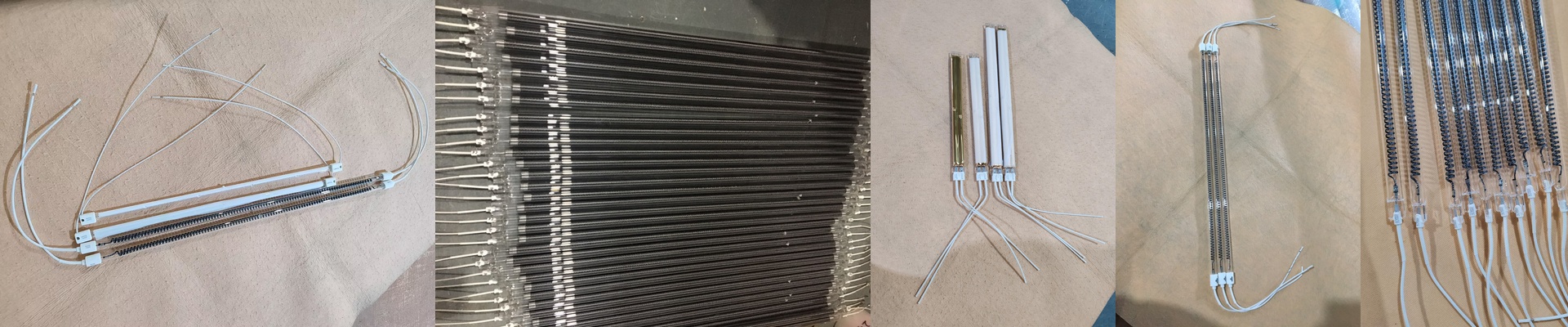
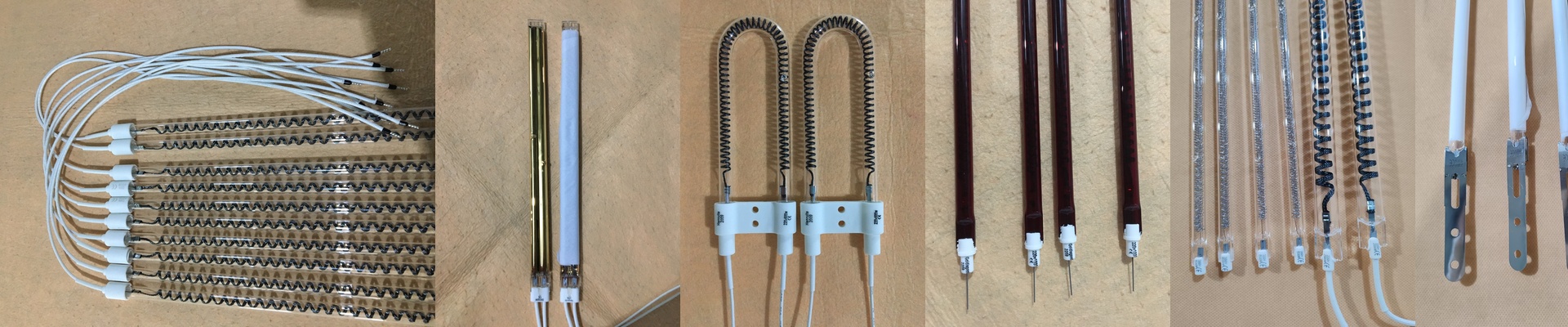
If you’ve tried buying generic infrared lamps for your Sulfet rotary machines, you already know the headache. Most off-the-shelf parts just don’t pack enough punch. You end up with ink that isn’t curing fast enough, which slows everything down. That’s why we build our twin tube quartz heaters specifically for these systems. They’re designed to handle the electrical load and fit the footprint perfectly. You just pop them in, and they work. Why the “Twin Tube” thing matters Here’s the deal: by putting two filaments inside a single quartz envelope, we basically double the radiating surface area without taking up more space. It means you get way more wattage per millimeter. Your heater hits the right temperature faster, and you don’t have to “over-volt” the filaments to force it to happen. If you over-volt, the lamps burn out way too quickly. Nobody wants to be replacing lamps every few weeks. The nitty-gritty on materials We use high-purity quartz glass because it lets the infrared heat through without blocking it. Depending on what you’re printing on, we can even add coatings to shift the heat from short-wave to medium-wave. It’s all about getting the heat exactly where it needs to be. One thing to watch out for: the electrical connections. This is where most systems fail. We use reinforced terminals to stop arcing when the power switches on and off. But a quick heads-up—check your wiring. If your leads are too thin for the amperage these tubes pull, you’ll get a voltage drop. That’s a recipe for inconsistent curing and a lot of wasted fabric. Making it work in your shop These heaters put out a massive amount of heat. Because they’re so intense, you’ve got to make sure your exhaust and cooling are up to the task. If your airflow gets blocked, that quartz envelope will overheat and crack. Simple as that. We also obsess over the measurements. If a lamp is off by even a few millimeters, it won’t sit right in the Sulfet chassis. That leads to “cold spots” on your print cylinder. We build these to fit your existing slots exactly. You can swap them out quickly, get the heat balanced, and get your line moving again without spending half the day on maintenance.