Getting the Most Out of Carbon Quartz IR Tubes
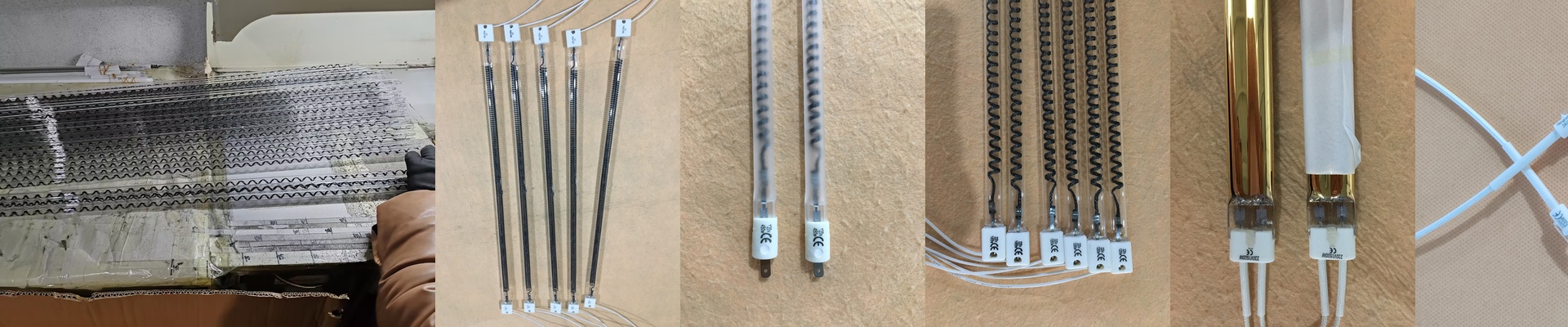
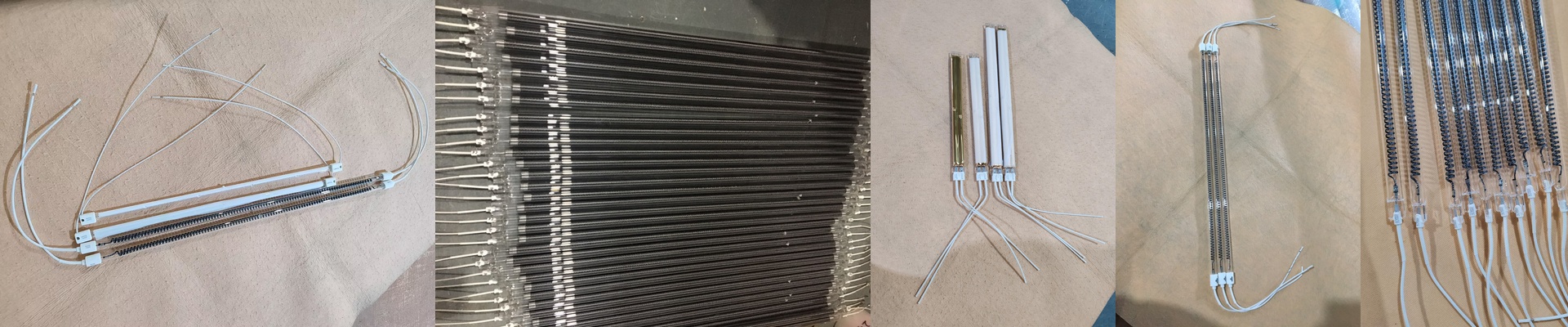
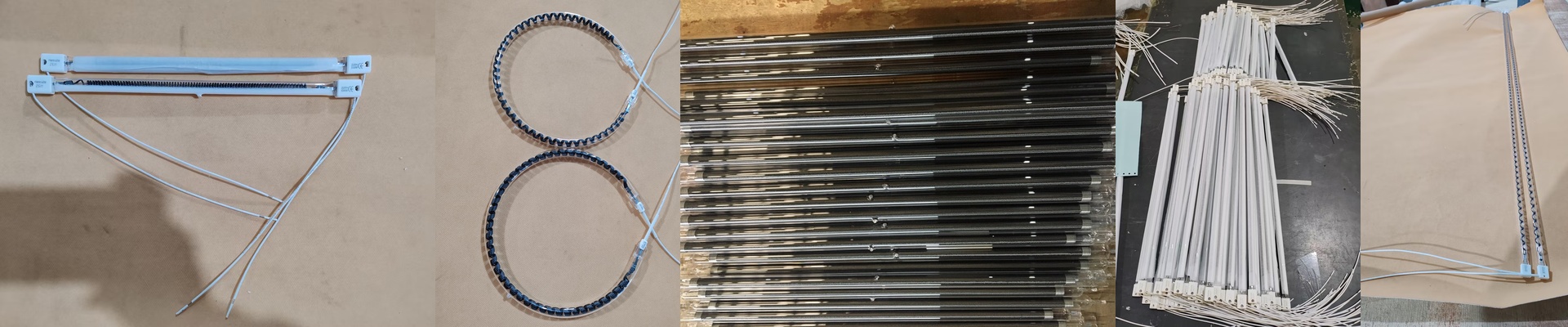
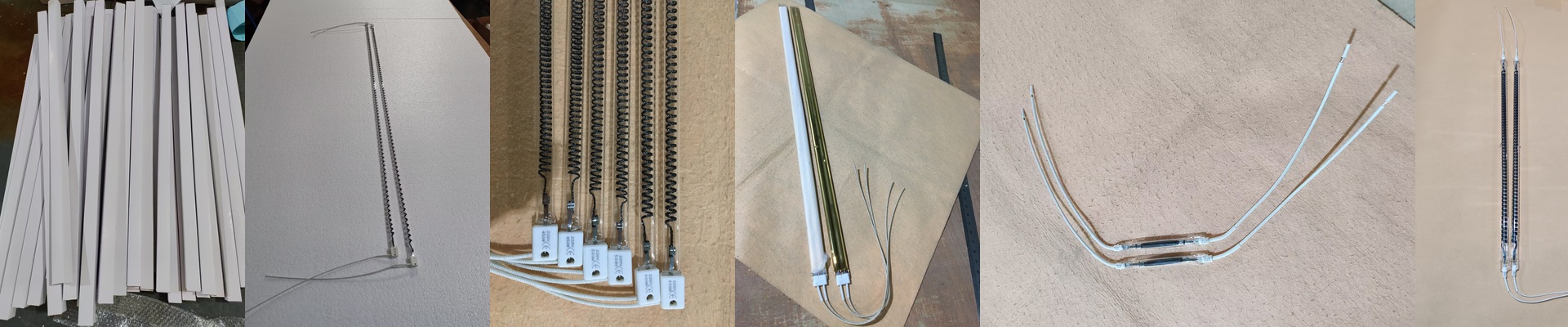
If you need heat—and you need it now—carbon quartz tubes are your best bet. They aren’t your typical heating elements. Instead of a metal wire, we use a carbon-based element tucked inside high-purity quartz glass. This changes the way the heat actually hits your material. It pushes the energy into the medium-to-long wave range, which basically means the heat sinks deeper into whatever you’re working on rather than just scorching the surface.
The Power Side of Things
When we talk about power density, we’re really talking about how much heat you can cram into a tiny space. If you go with a high-wattage tube, you get an incredible amount of energy in a small footprint. It’s perfect for those fast-cycle jobs where every second counts. But here is a heads-up on the electrical side. You’ve got to make sure your transformers can handle the “cold start.” Carbon elements have lower resistance when they’re cold than when they’re glowing hot. If your power supply isn’t ready for that initial surge of current, you’re going to be tripping breakers all morning.
Why Quartz and Carbon?
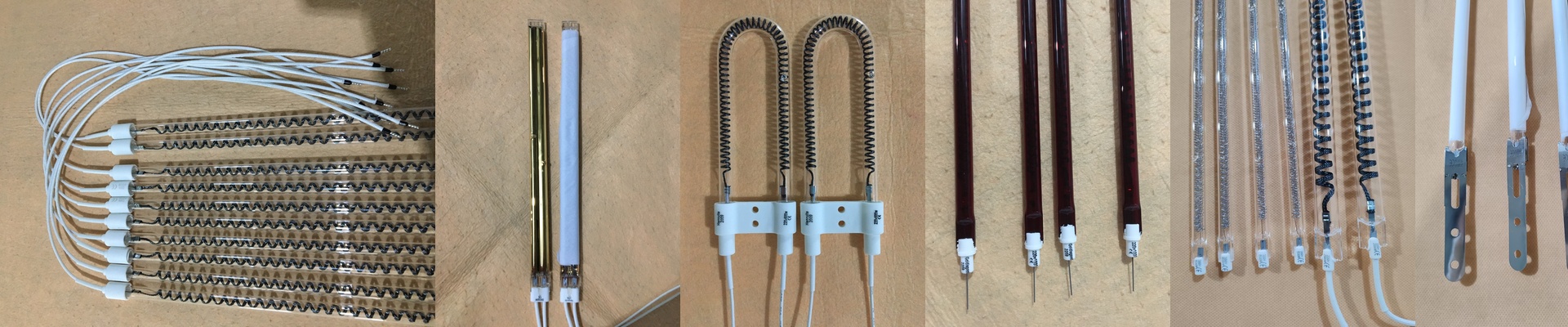
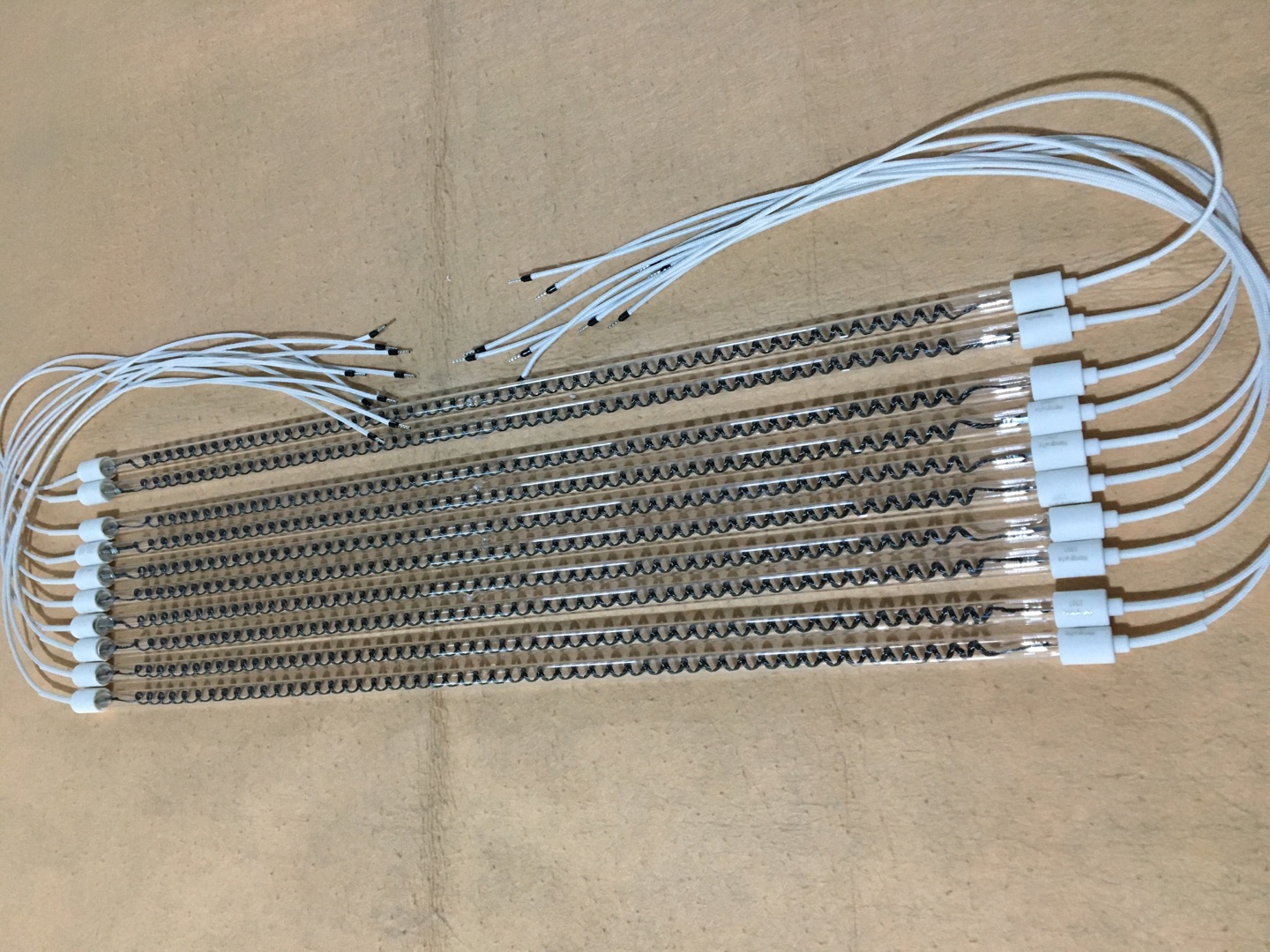
We use fused quartz because it’s a beast when it comes to thermal shock. You can crank the heat up and down without worrying about the glass cracking under the pressure. Plus, the carbon filament spreads heat evenly across the whole tube. No weird hot spots like you get with old-school coils. As for the ends, we can do R7s or custom press-fits depending on your setup. The main goal here is to keep electrical resistance as low as possible. If the connection is sloppy, the terminals will overheat, and you’ll burn out the seal way sooner than you should.
The Trade-off
The beauty of these tubes is the response time. They hit peak temperature fast. They cool down just as quickly. This makes it way easier to tune your PID controllers and keep your tolerances tight. But, there’s a catch. Quartz is tough against heat, but it hates being bumped. These aren’t industrial pipes; they’re glass. You have to be gentle during installation. Even a tiny hairline crack is a death sentence—once oxygen hits that carbon filament, the tube is toast.