The Real Story Behind the Quartz Tubes in Your Printing Press
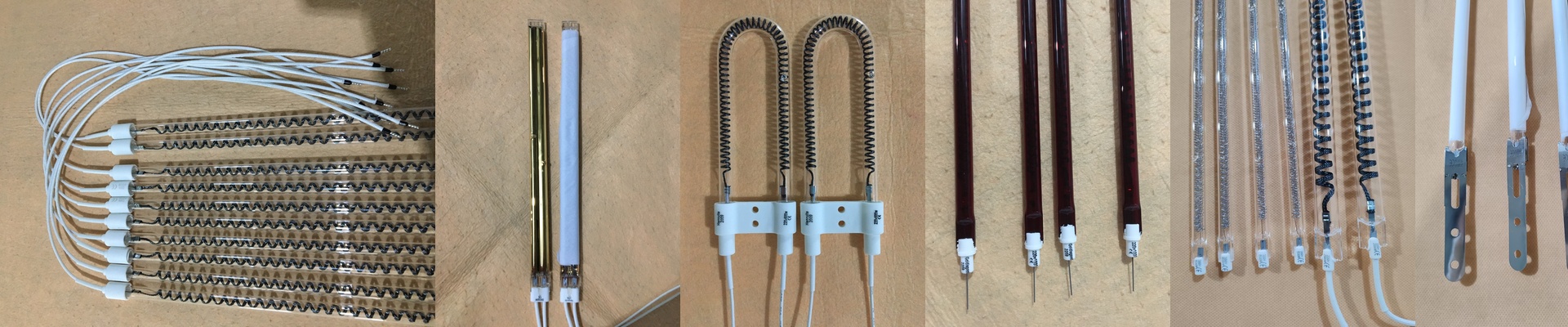
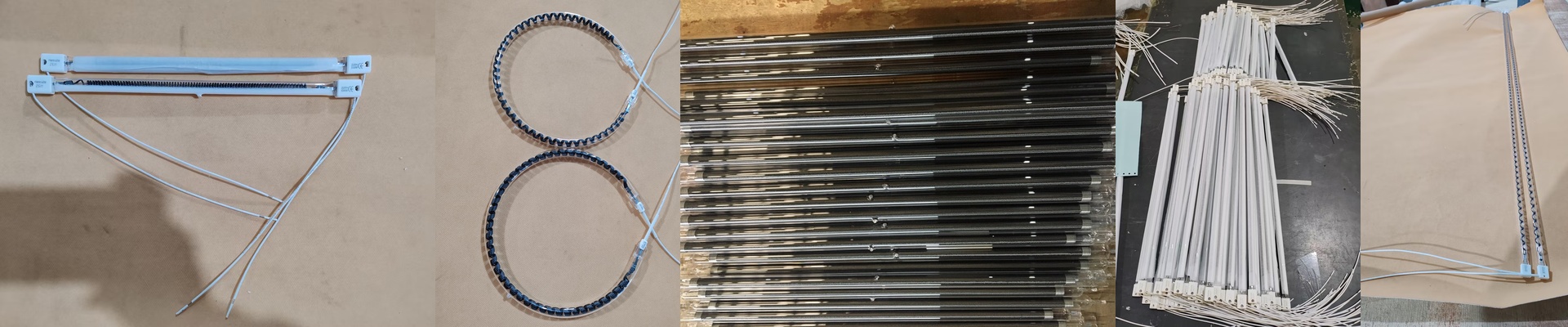
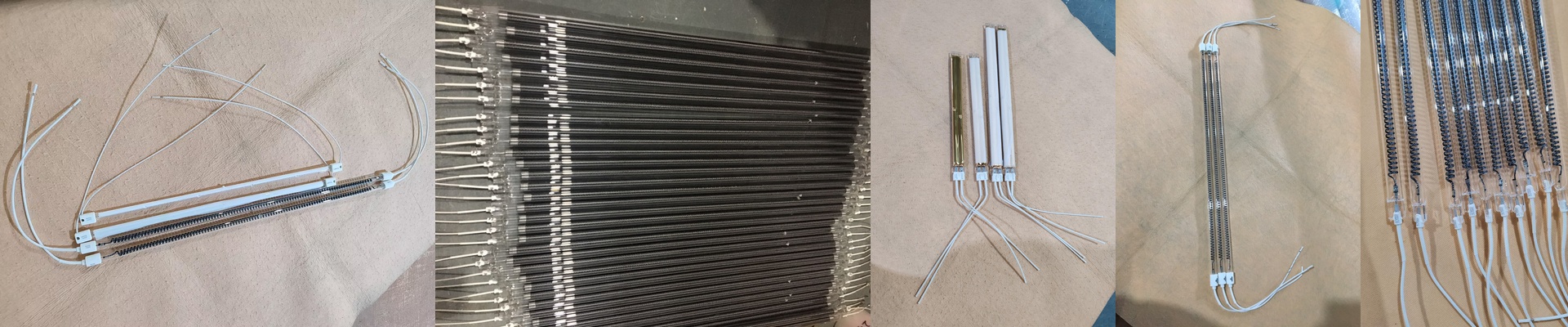
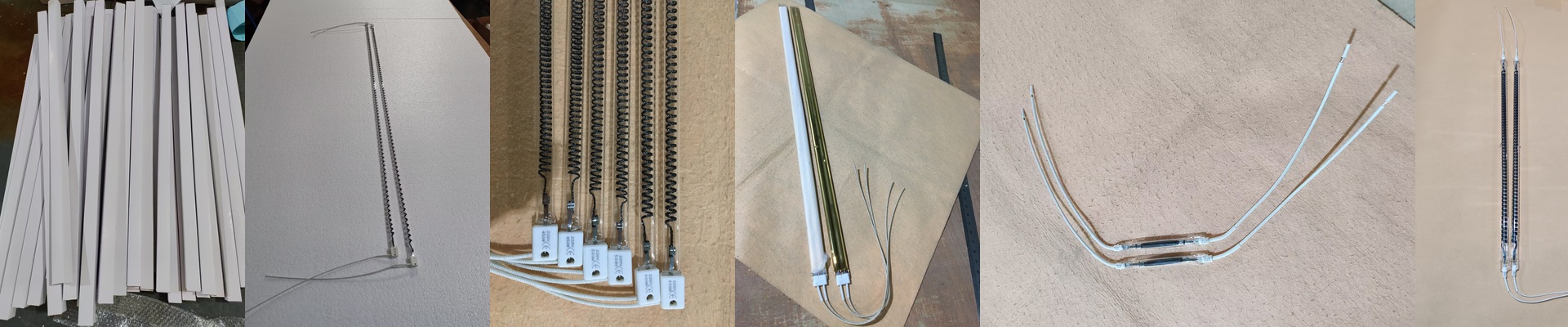
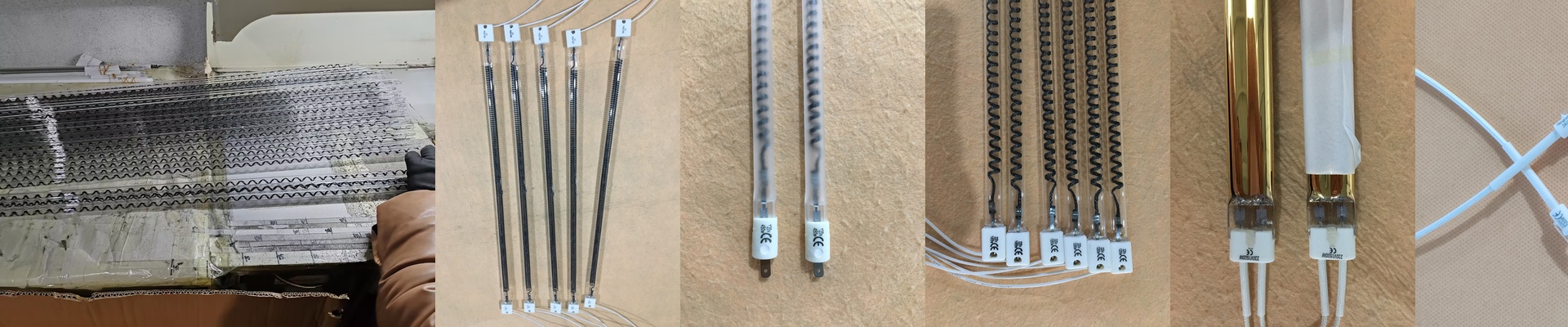
If you’ve ever worked with a high-end printing press, you know those flash heaters are the heartbeat of the whole operation. They’re what get your inks cured and your substrates dry in a blink. We make the quartz glass tubes that power those systems for some of the biggest brands in the world. But here’s the thing: these aren’t your average light bulbs. They’re precision tools built to take a beating from extreme heat without cracking or warping. The battle against heat We stick with high-purity fused quartz for a reason. It handles “thermal shock” way better than something like borosilicate. Think about it—one second the tube is sitting at room temperature, and the next, it’s screaming past 1,000°C. If the purity of that quartz is even slightly off? The tube will just snap during the first few cycles. It’s that sensitive. We also keep the diameter tolerances incredibly tight. Why? Because the heating element has to stay perfectly centered. If that filament drifts even a tiny bit toward the wall, you get a hot spot. And a hot spot is just a fancy way of saying the glass is about to burn through. Power vs. Cooling: The constant tug-of-war Everyone wants more speed. To get that, you push more wattage into a shorter tube. It cranks up the heat density and gets your production moving faster. But there’s a catch. When you’re pushing 2000W+ through a small space, the outside of the tube gets scorching. This is where your machine’s airflow and fans come into play. If your housing can’t breathe and shed that heat, you’re basically killing your filament through premature oxidation. Why “close enough” isn’t good enough I see a lot of off-the-shelf tubes fail for one simple reason: the end-caps and seals don’t expand at the same rate as the machine. It’s a recipe for leaks. We build our tubes to match OEM standards so the seals actually hold when things get hot. Plus, they’re drop-in replacements. You don’t have to mess around with rewiring the board or hacking the sockets. When a tube finally burns out, you just swap it and get back to work. No drama, no long stretches of downtime.