Getting Your Tunnel Oven Temperatures to Actually Behave
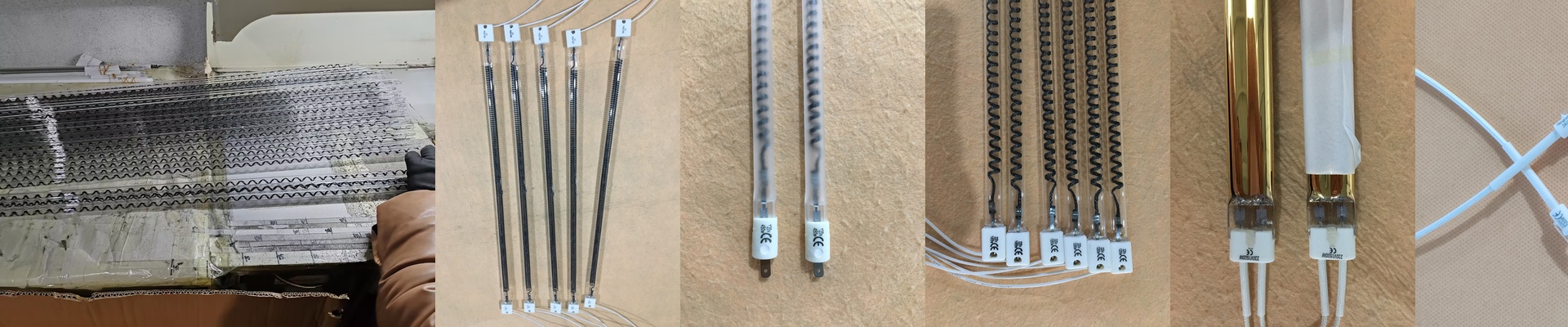
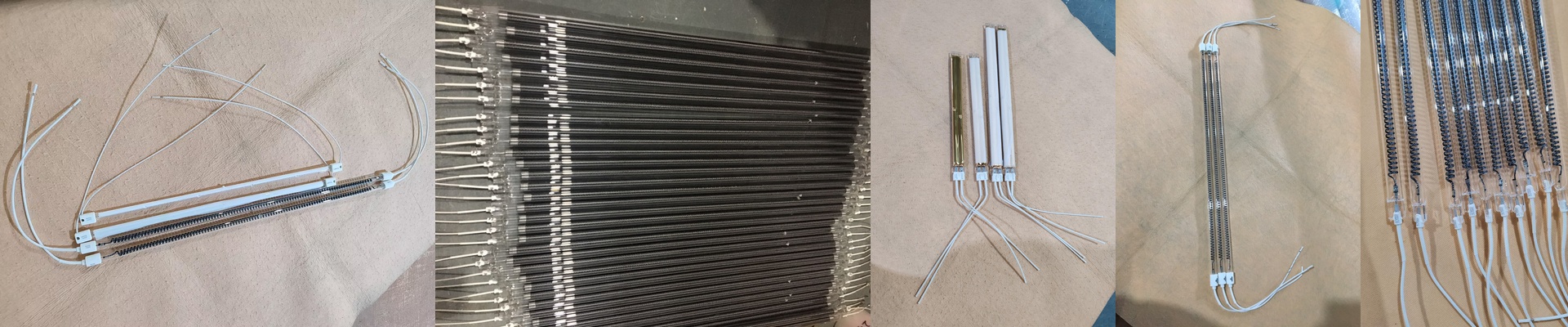
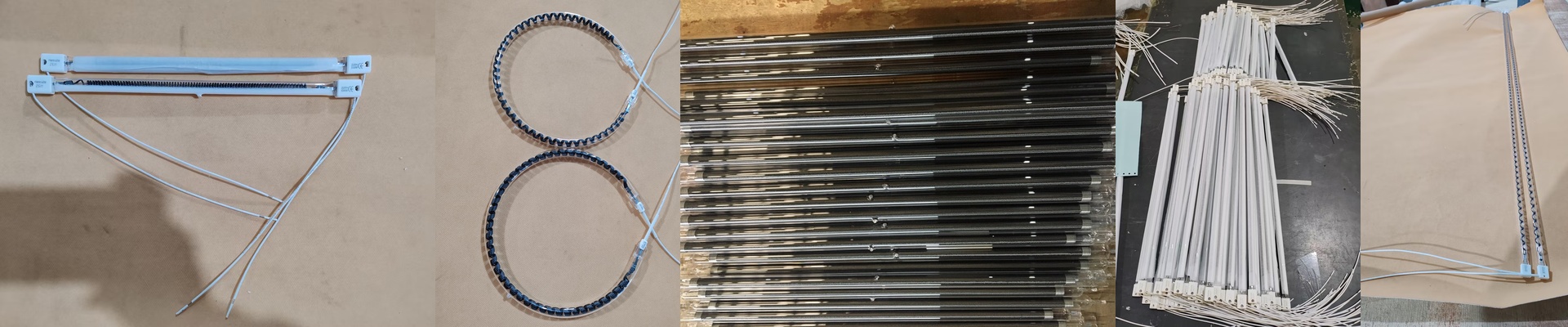
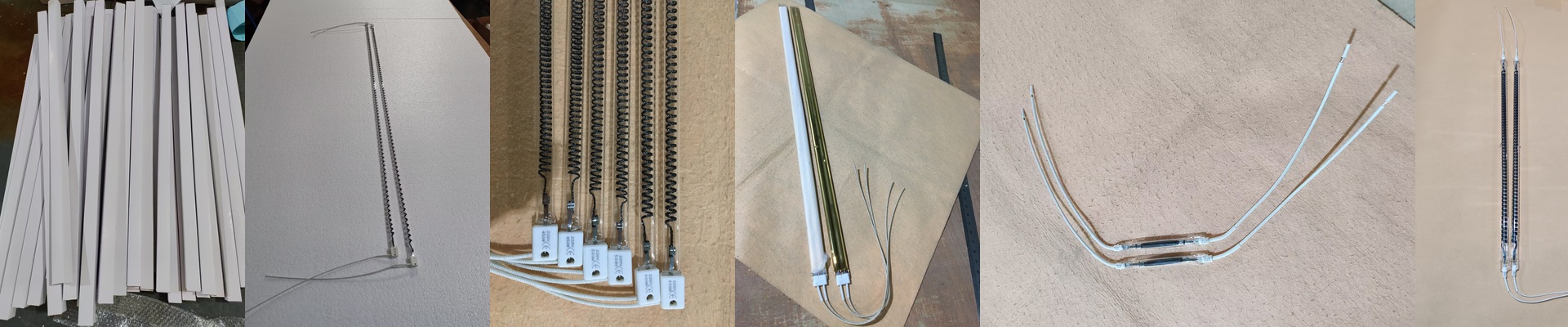
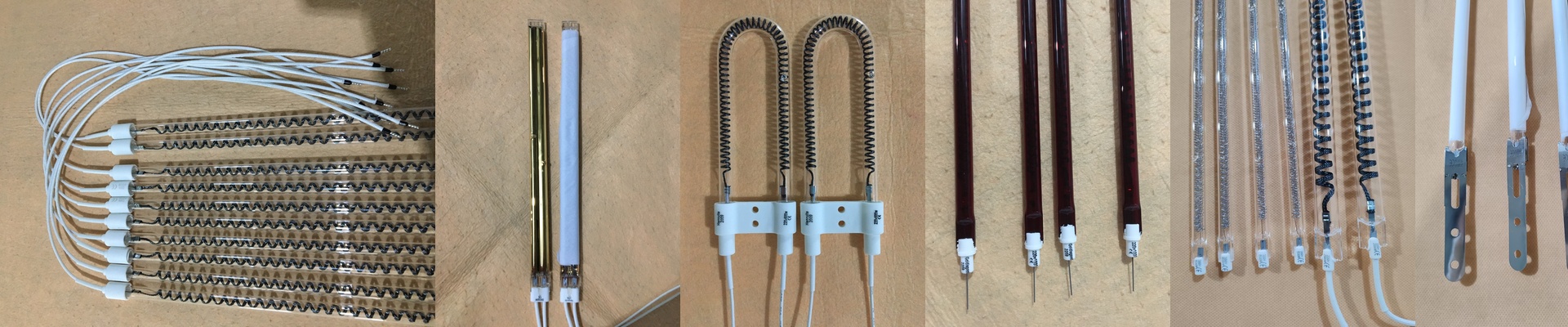
If you’ve ever run a long drying tunnel, you know the headache. It’s not about hitting one high temperature and calling it a day. It’s the fight against those annoying cold spots and the way the heat just seems to drift as the conveyor moves along. At Adelco, we build our infrared lamps to step in and fix that. We want your heat distribution to be rock solid, from the moment the part goes in until it comes out the other end. The power struggle Here’s the thing: tunnel ovens lose a lot of heat right at the edges. To fight that, you need some serious wattage. We set up our lamps with high-voltage configurations so you get the power density you need without blowing a fuse or overloading your old wiring. But there’s a catch. When you push that much power through a long tube, the heat can get patchy. To stop that, we obsess over the filament length and how it’s wound. The goal? A smooth, linear flow of heat that doesn’t dip or spike. The nitty-gritty details We use quartz glass with special coatings. Why? Because we want the heat to actually soak into the material, not just scorch the surface and leave the inside raw. Then there are the connectors. Whether it’s R7s or custom pins, it all comes down to a tight fit. A loose connection at high current is just an invitation for arcing and a burnt-out lamp. We keep the tolerances tight so when you slide these into the Adelco housings, they just snap in. No wiggle room. No guesswork. The trade-off you need to know about Now, these high-output IR lamps put out a massive amount of heat. It’s great for slashing your curing time, but it puts a lot of pressure on your ventilation. If your exhaust fans can’t keep up and pull that extra ambient heat out of the tunnel, you’ll start seeing “temperature creep.” That’s when the heat builds up and pushes you right out of your process window. As long as your cooling can handle the wattage, you get a heat curve you can actually trust.