Technical Deep-Dive: Power, Voltage, and Dimensions
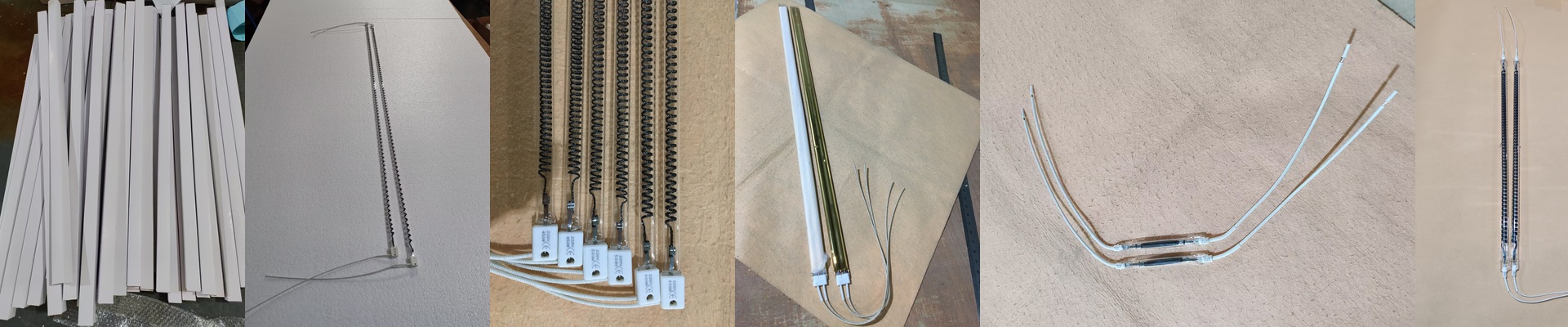
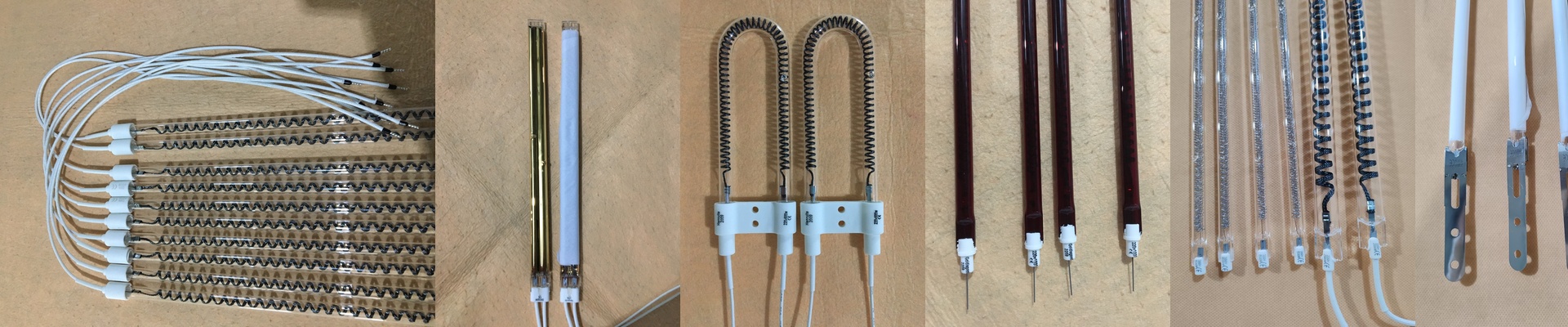
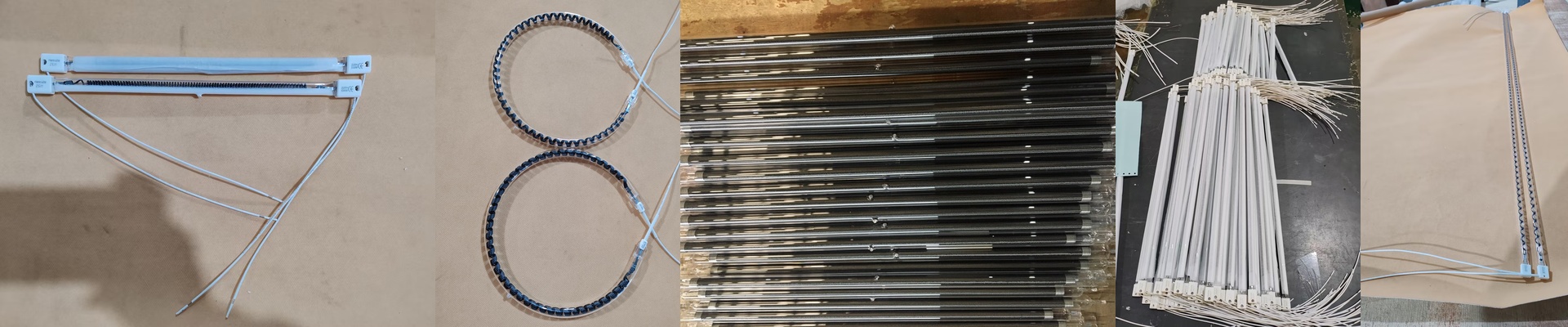
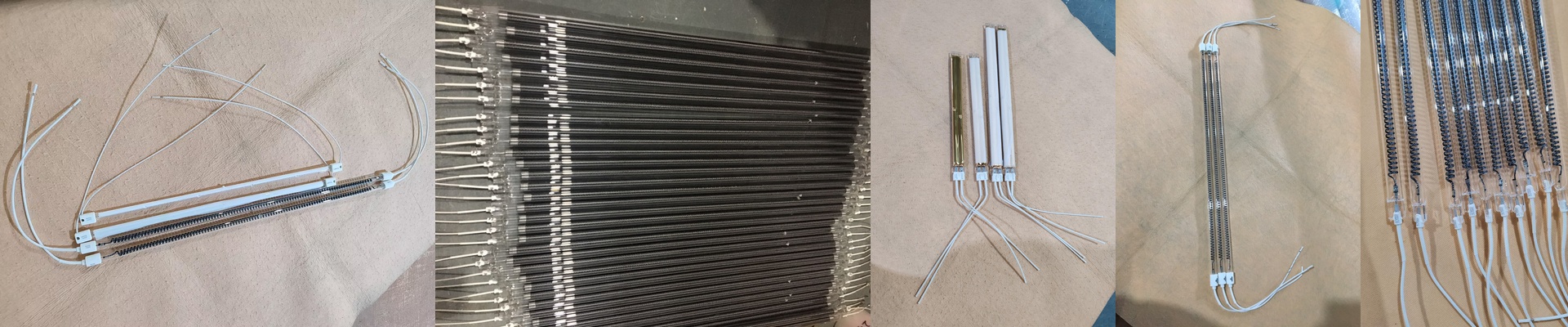
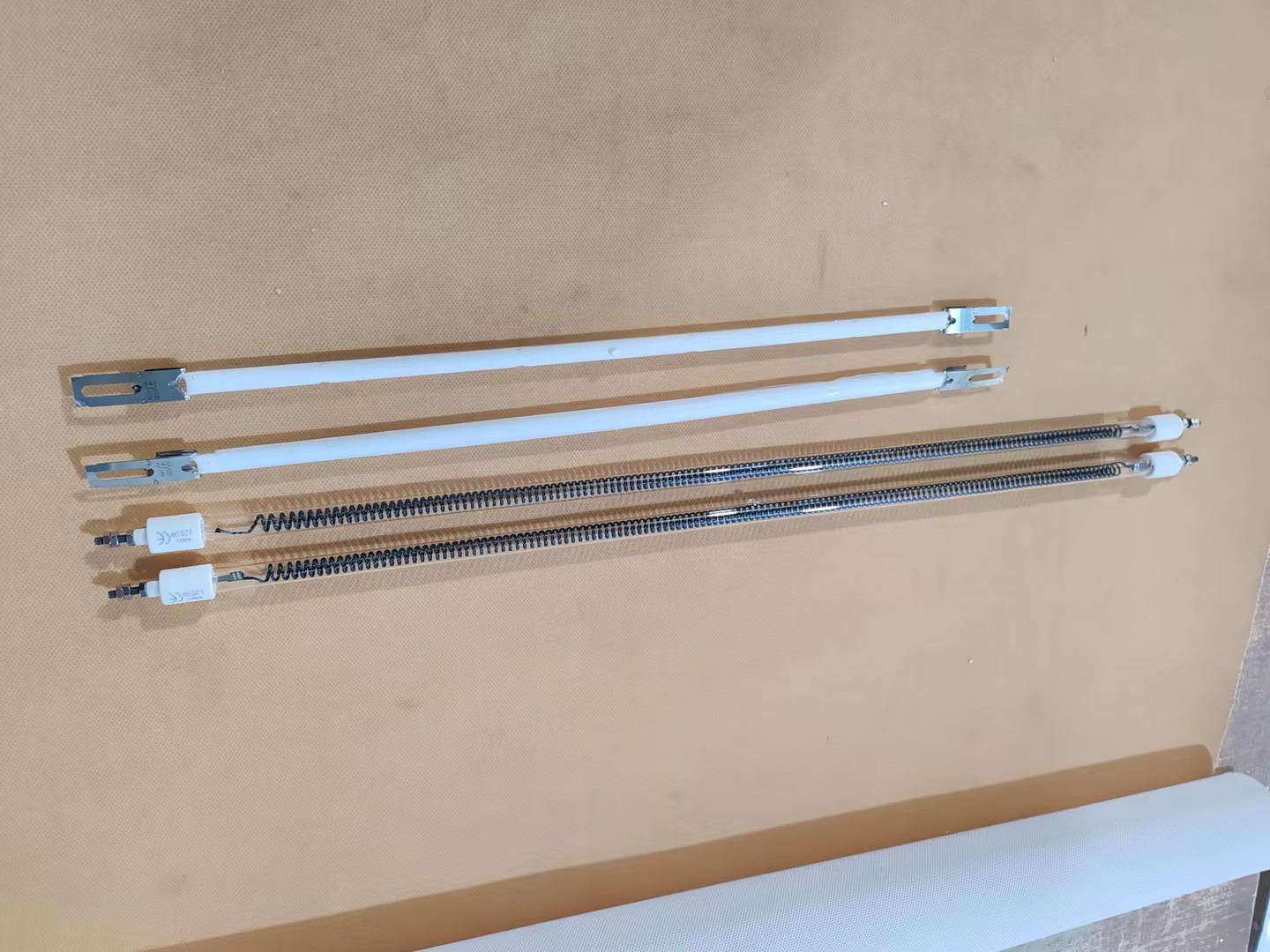
We built this nano carbon infrared heater to be a workhorse for industrial heat. No fluff, just serious output. The numbers aren’t random. We went with 400V and 2500W to pack a ton of heat into a small space. That means you get fast ramp-up, which keeps your equipment moving when every second counts. And the 300mm length? Totally intentional. It slips into tight spots—like preform heating, narrow conveyor lines, or small oven cavities. You get focused heat exactly where you need it, without blowing up the footprint of your whole system.
Material & Design: Halogen, Coating, and Connectors
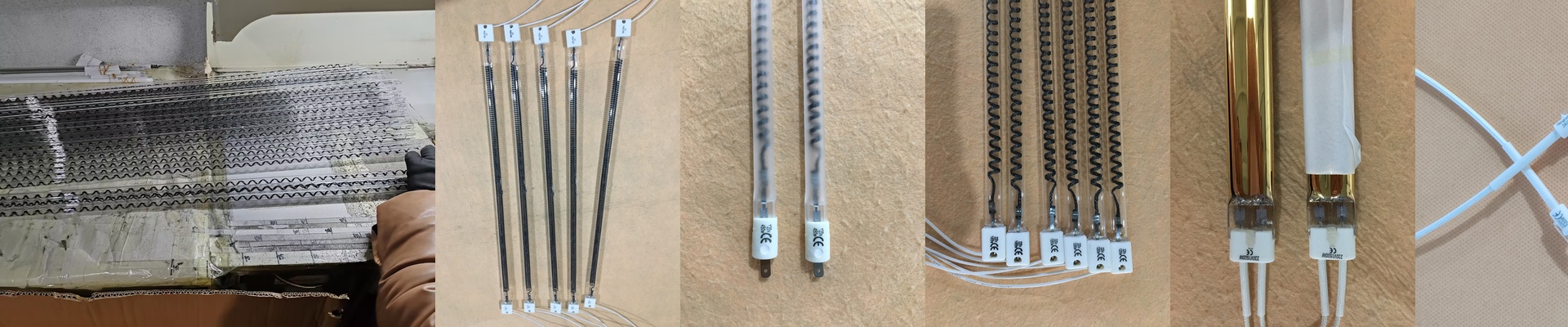
Inside, the halogen element keeps the filament steady, even after countless heat-up and cool-down cycles. It’s the kind of stability you need when the machine never really stops. Then there’s the nano carbon coating. It shifts the infrared spectrum toward shorter wavelengths, so surfaces respond faster and plastics and coatings absorb the heat more directly. The R7s connector is a no-brainer. It locks in clean, solid contacts, so wiring is quick and the performance stays consistent. If you’re doing a drop-in replacement, you’ll feel the difference right away—less downtime, less fuss.
Application & Benefits: Efficiency Under Load
This setup is made for lines that can’t afford to slow down. In PET blowing, the short-wave output hits the preform surface fast, so the cycle keeps rolling. In drying and curing, the focused infrared cuts down on wasted energy heating the air around it. Here’s the trade-off: 2500W at 400V is serious heat density, so your machine’s cooling and clearance have to be on point. But when you run it within the rated airflow and voltage tolerance, the output stays predictable, shift after shift. It’s the kind of heat you can count on when the pressure is on.