Getting the Most Out of Carbon Heat Tubes
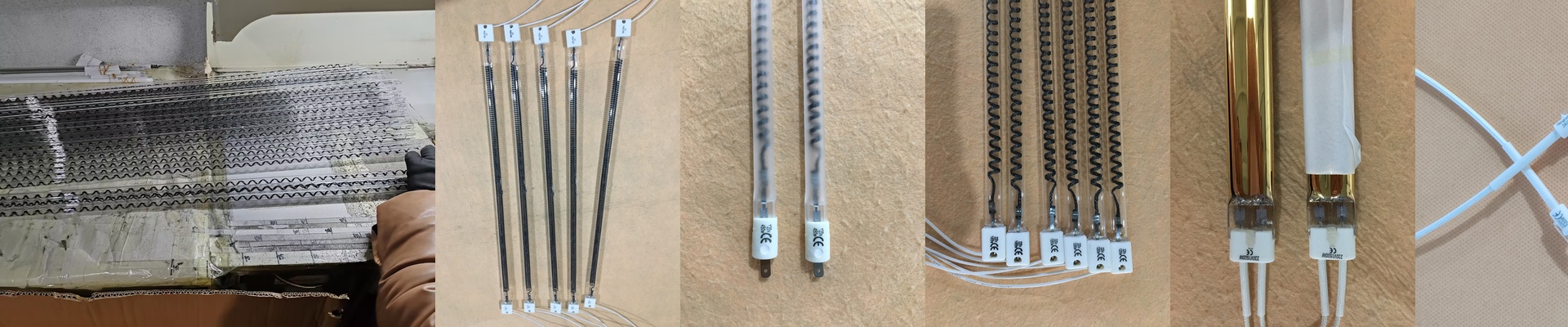
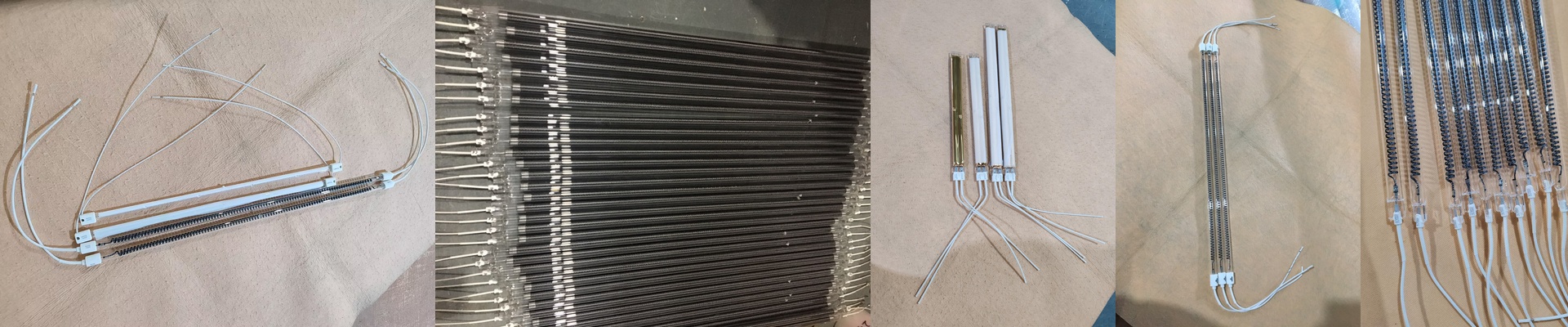
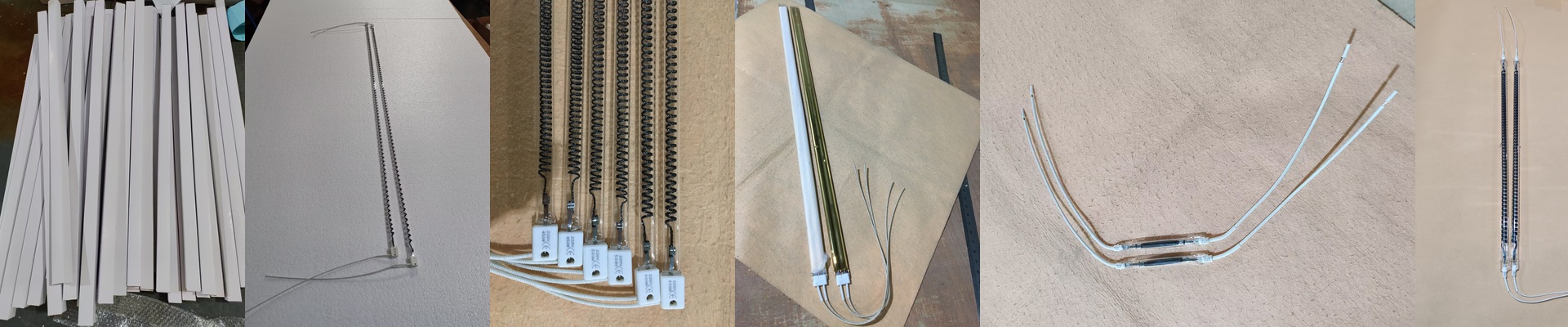
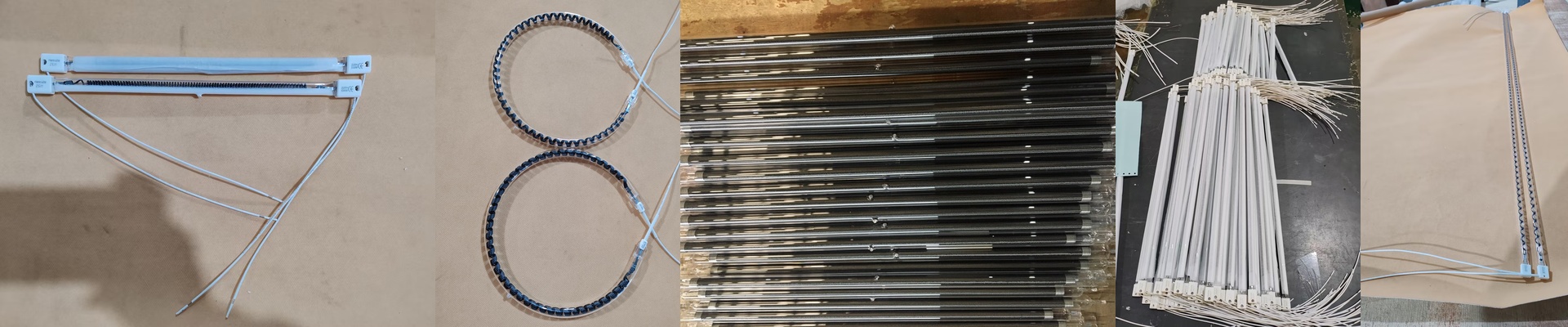
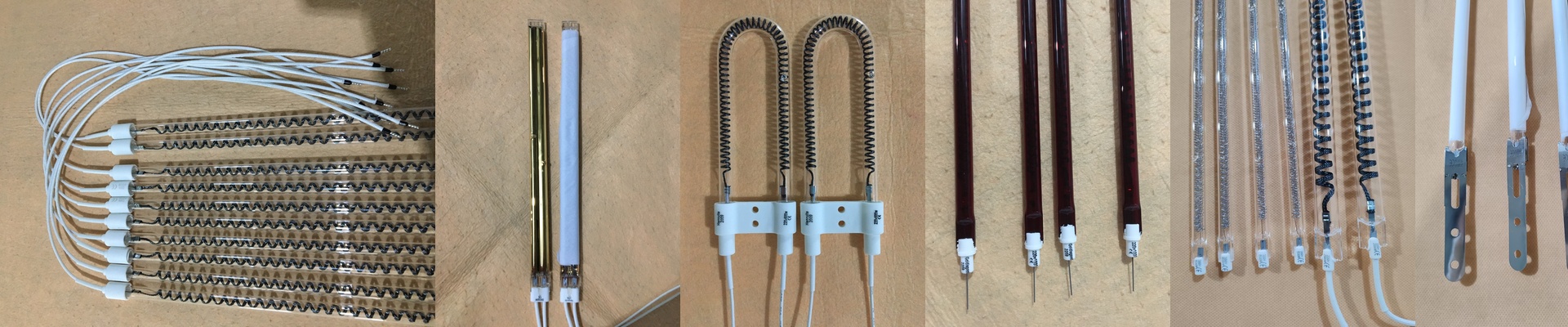
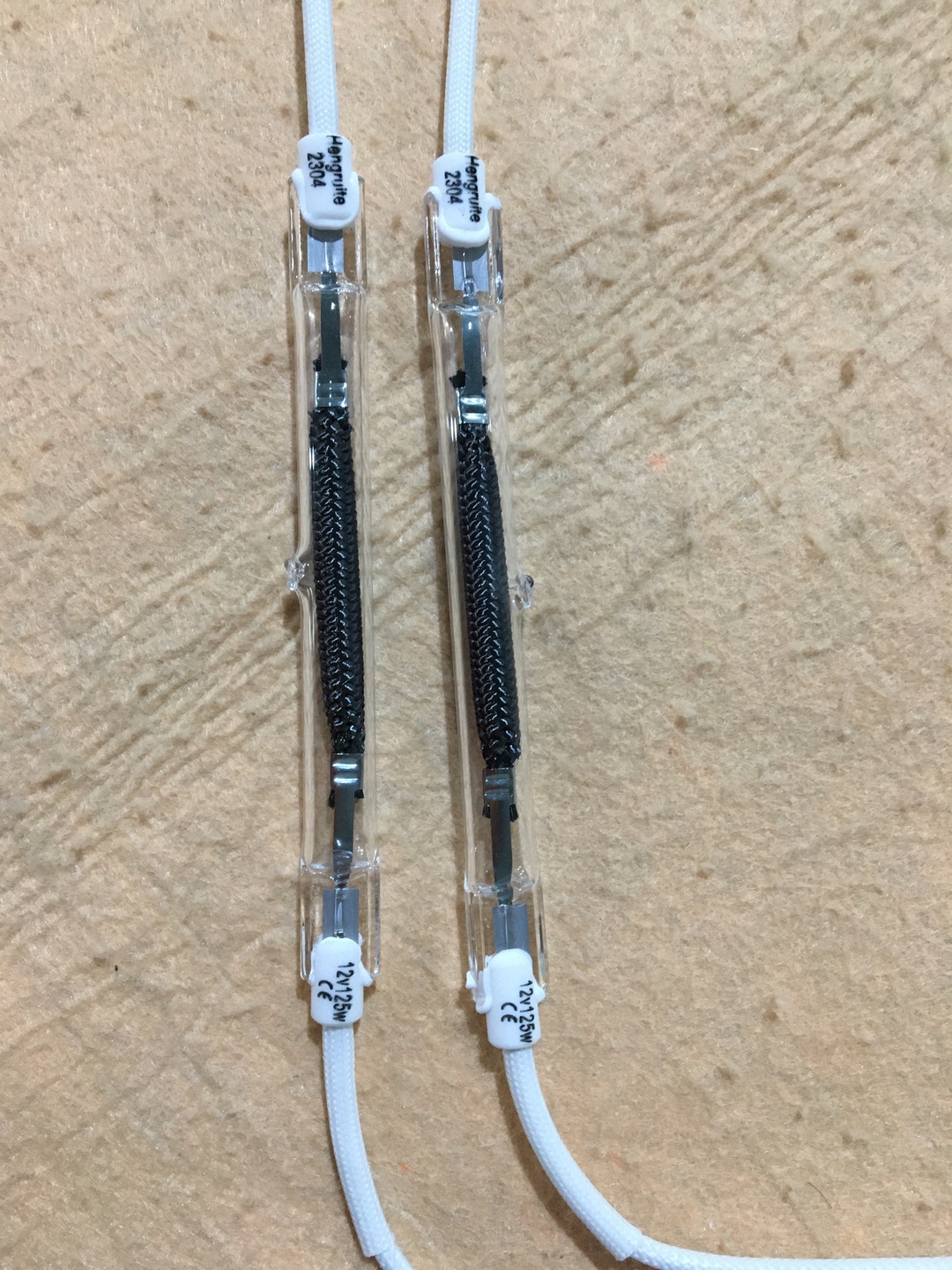
If you’re used to standard halogen lamps, carbon heat tubes are a different beast entirely. Instead of the usual setup, we use a carbon-filament emitter. Why? Because it heats up fast. Really fast. Plus, it puts out a specific kind of infrared energy that actually sinks into your materials rather than just scorching the surface. Let’s talk power. When you’re picking your tube, the balance between voltage and wattage is what really drives your heat. If you pack a lot of wattage into a tiny space, you get an intense blast of radiant energy. But here’s the catch: you’ve got to make sure your power supply can handle the “cold start.” That initial surge of current is no joke. If your transformer isn’t up to the task, you’re looking at blown fuses or a filament that burns out way sooner than it should. The build quality We wrap the carbon element in high-purity quartz glass. It’s tough. It can take a massive thermal shock without cracking under the pressure. As for the connectors, we offer R7s or Sk15. These aren’t just about making it fit in the slot—they’re about making sure you have a rock-solid electrical connection. You don’t want arcs or overheating when you’re pushing heavy loads. And depending on what you’re working with—plastics or metals—we can add a specialized coating to shift the IR output from shortwave to medium-wave. It’s all about hitting the right frequency for your specific material. The real-world trade-offs These tubes are great as drop-in replacements for PET blowing or curing lines. They seriously shave time off your pre-heating. But keep in mind: all that heat density means the tube gets hot. You can’t just plug it in and forget it. You need your cooling fans and vents dialed in to pull that ambient heat away from the housing. If you don’t, you’ll end up warping your reflectors. Also, do yourself a favor and use high-temperature lead wires. Nobody wants to deal with melted insulation. Basically, if you’re in a high-throughput environment where every second of cycle time counts, this is the tool for the job.