What Actually Makes These Heat Lamps Tick
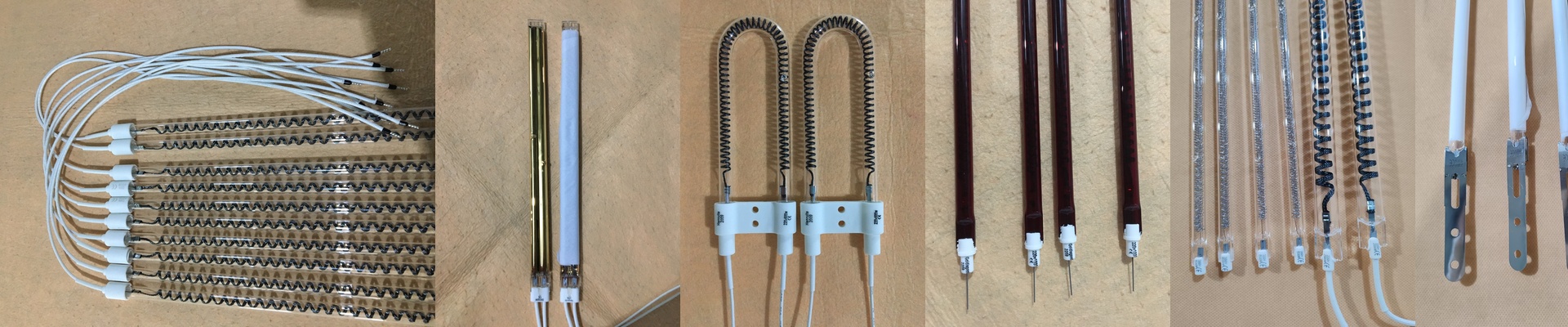
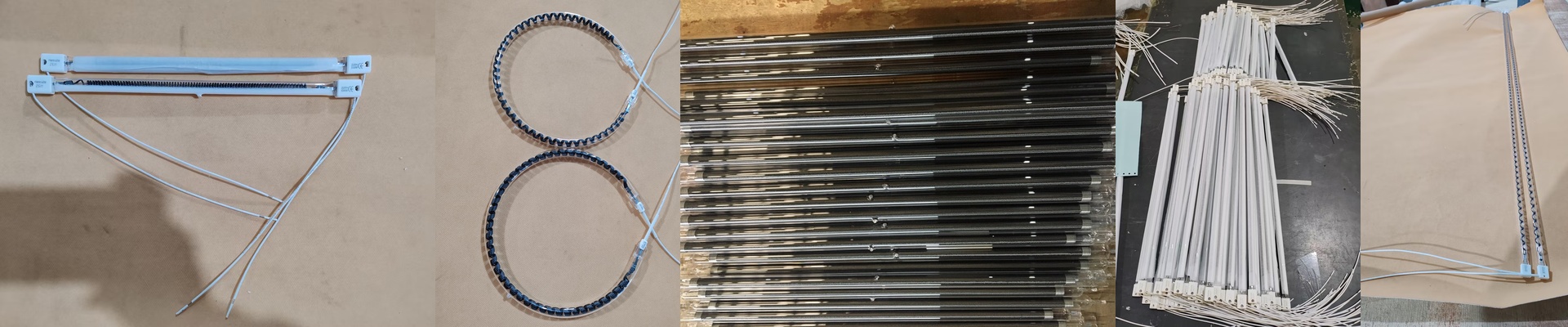
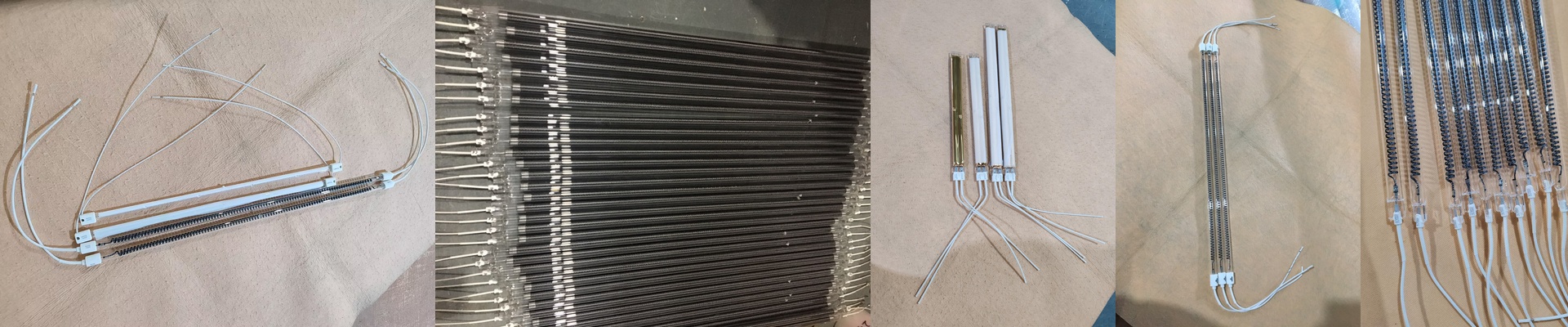
We built these carbon fiber heat lamps with quartz tubes for one reason: to pack serious infrared heat into a small space. The usual setup runs at 400V and 2500W. That gives you high power density—so it heats up fast and holds tight control when you’re spot heating. The tube is 300mm long, which keeps the heat focused where you need it, without forcing you to size up the whole machine. Just know this: that kind of power works best on a dedicated circuit. Your panel, contactor, and cooling setup have to be rated for it. No cutting corners.
The Build: Quartz, Coating, and Connections That Just Work
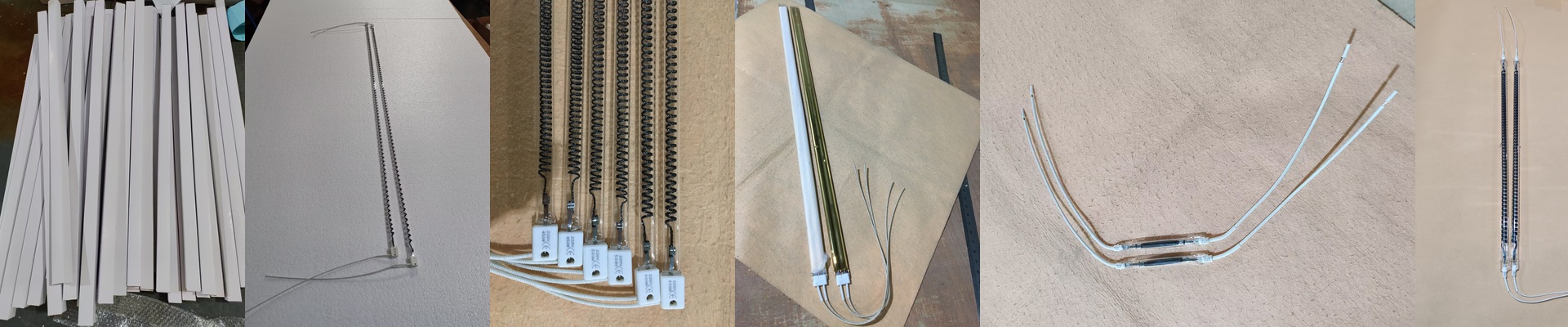
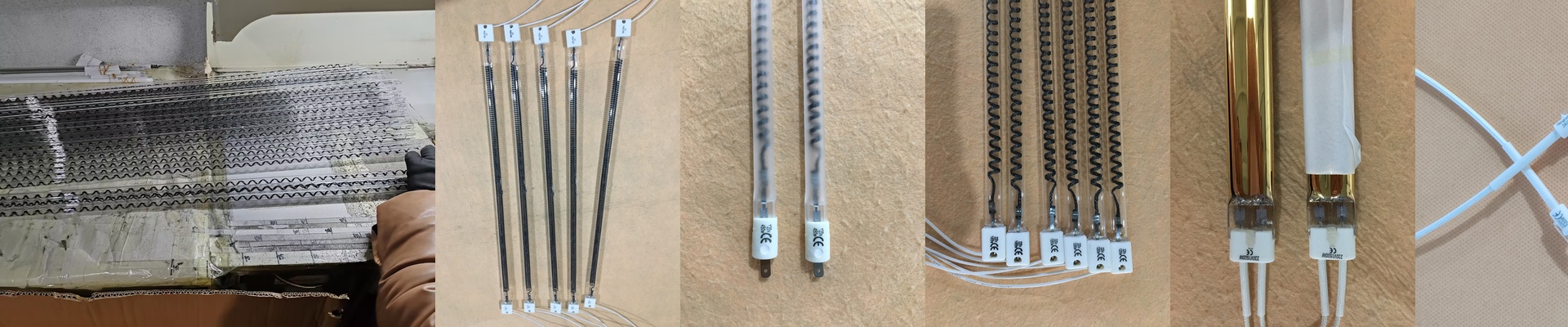
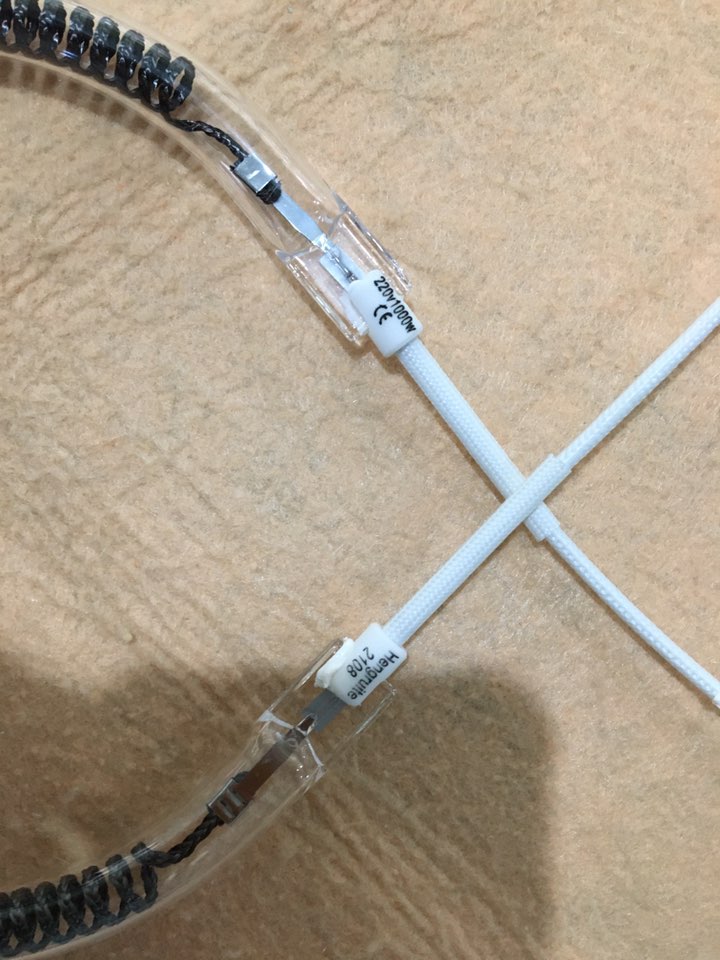
The quartz tube takes the thermal shock so your element stays protected. And we use an R7s connector because it makes termination clean and solid in standard fixtures. Less fuss. Better contact. Quicker swaps on the line. Inside, the carbon fiber element holds stable resistance even at high temps, and the reflective coating on the tube pushes more IR energy forward. It’s a tough setup. But quartz is still quartz—if the lamp gets mishandled or hit with mechanical shock, it can crack. Treat it right, and it’ll treat you right.
Where It Shines: Fast, Targeted Heat for the Tough Stuff
These lamps were made for industrial heating jobs that demand quick, localized heat—preheating, adhesive curing, plastic forming. The concentrated output cuts warm-up time and helps you keep temperature profiles consistent, job after job. Installation is easier thanks to the R7s connection, and the compact tube slips into tight spots without a fight. But here’s the trade-off: that high watt density means you need solid cooling and proper guarding. Otherwise, the surrounding components start to run hot. Plan for it, and the lamp does its job—quickly, cleanly, and with control.