Introduction
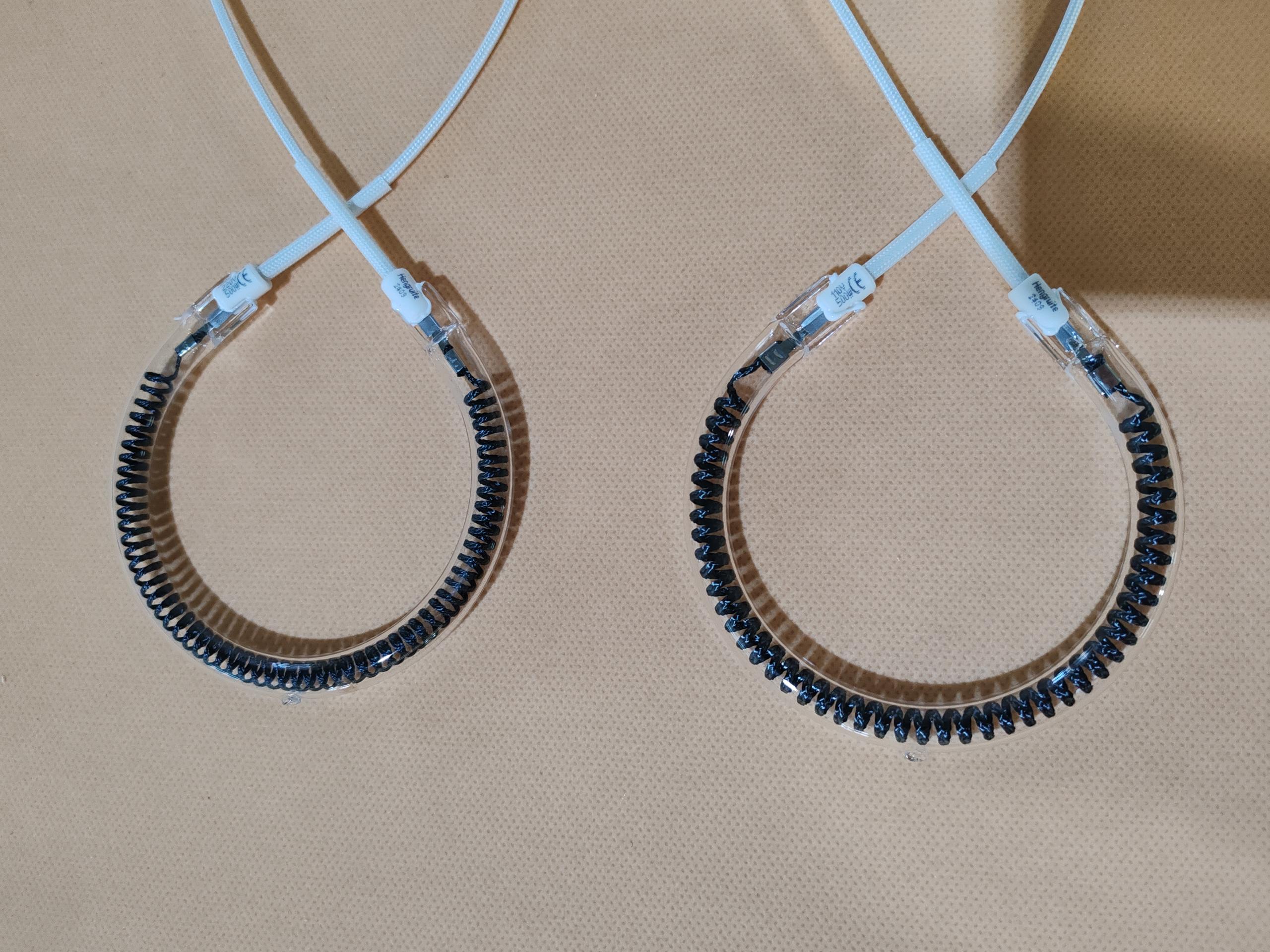
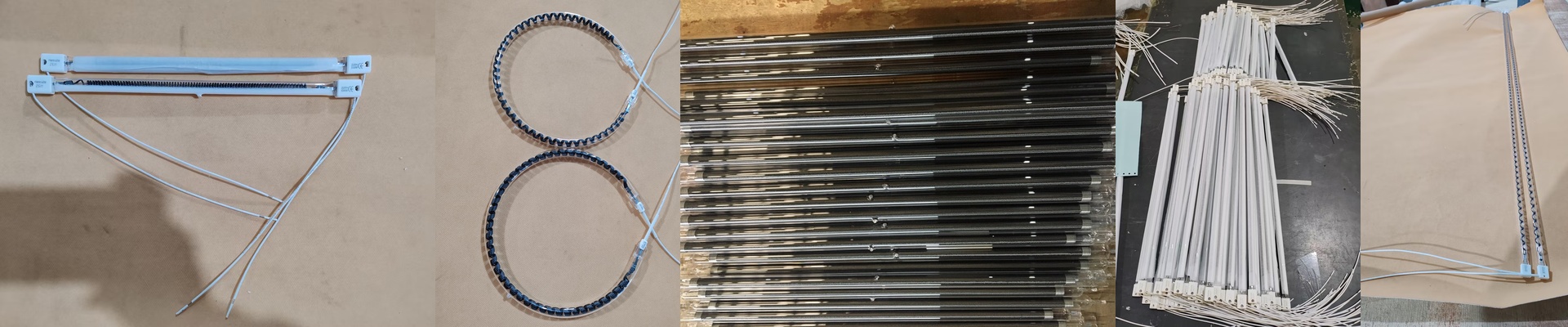
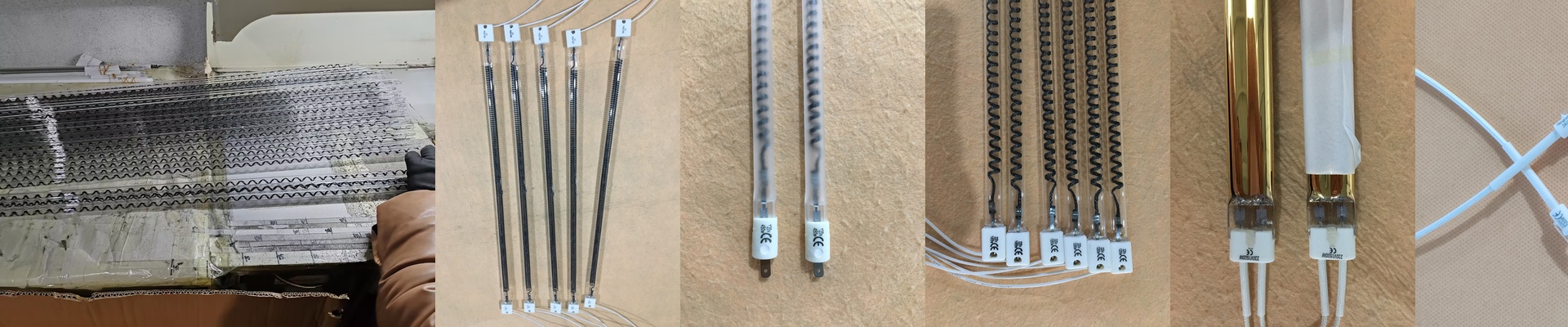
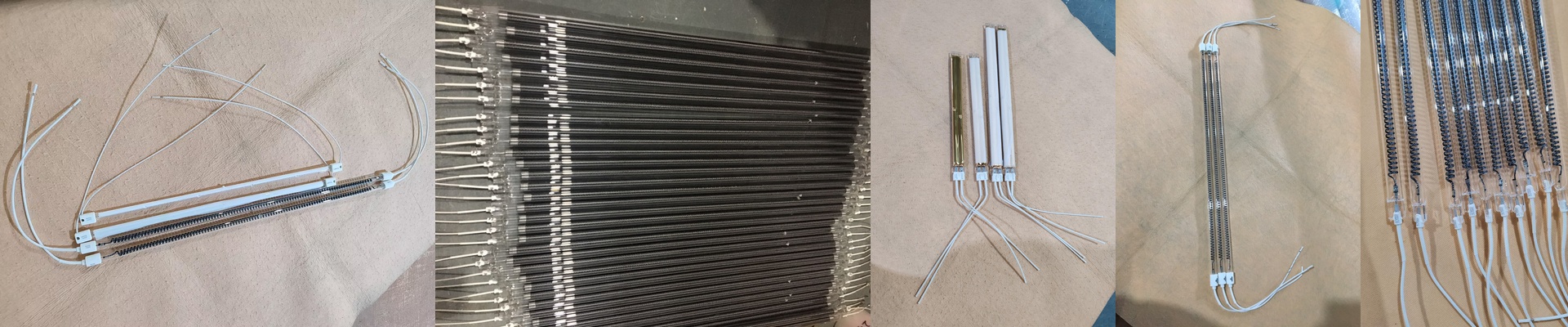
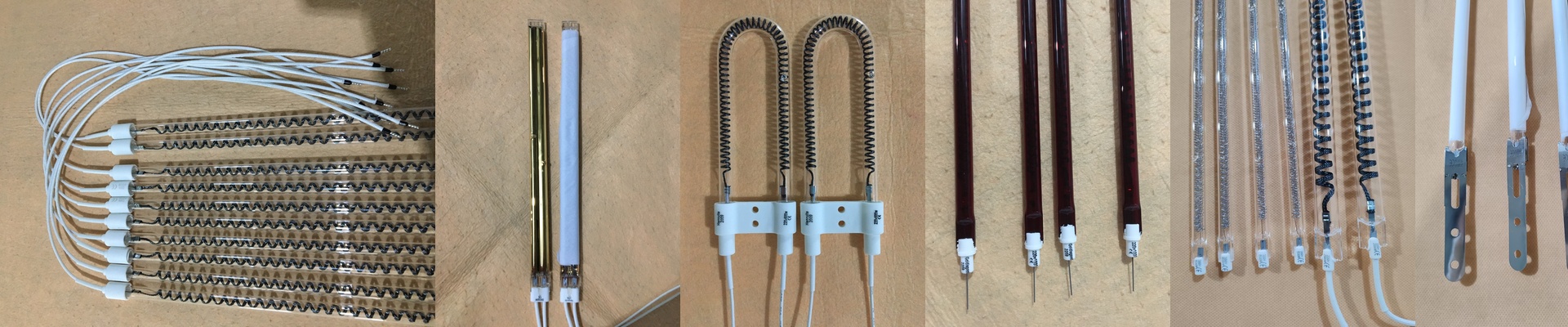
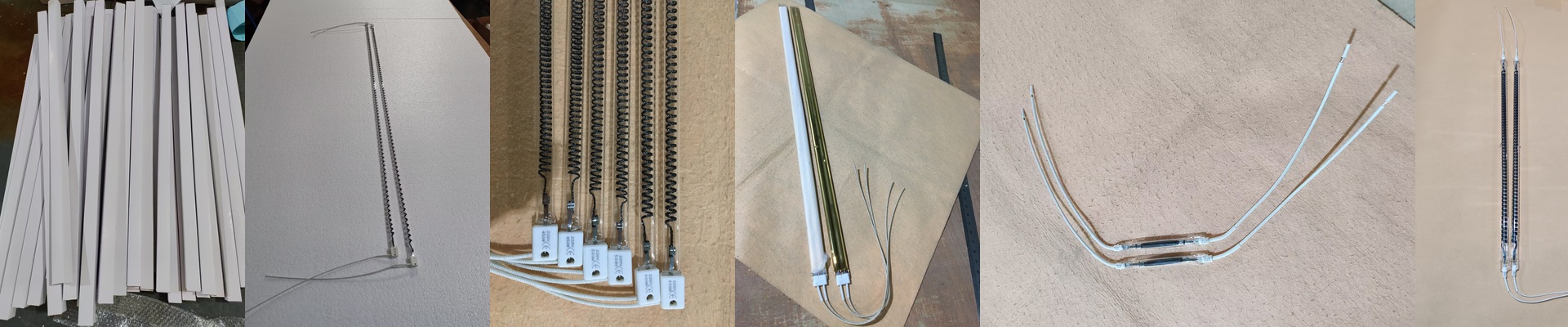
We built the carbon fiber heat lamp specifically for the XP600 platform to handle fast-cycle, high-precision heating jobs. This is not a general-purpose bulb. It is a compact, high-intensity infrared emitter engineered for tight spaces where you need rapid temperature rise and stable output. The core of the design is a carbon filament housed in a quartz envelope, optimized to deliver repeatable heat without overdriving the surrounding electronics.
Technical Deep-Dive: Power, Voltage, and Dimensions
The XP600 carbon fiber heat lamp is spec’d for high-density heating, typically running at 400V and 2500W. This voltage-to-power ratio keeps current draw manageable while still dumping the required heat into the target zone. The 300mm tube length is deliberately short. It gives you a concentrated hot zone that matches the footprint of the XP600 heating window, so you do not waste energy heating empty space. That concentrated power has a trade-off. The wattage density is high, so the lamp runs hot and the surrounding mounting area gets hot. You need to ensure the reflector, insulation, and machine cooling are set up to handle the ambient load. If you are swapping in a higher wattage than the machine originally came with, verify the wiring gauge, terminal ratings, and thermal clearances.
Material and Design: Carbon Filament, Quartz, and R7s Connector
We use a carbon filament inside a quartz envelope because quartz can take the heat and transmits infrared efficiently. Carbon filaments provide stable resistance over temperature swings, which helps keep the output consistent during cycle changes. The quartz tube also supports fast thermal response—you get rapid ramp-up, which matters when you are running short cycles. The carbon fiber heat lamp is often supplied with an R7s connector. That double-ended pin layout is standard for linear halogen-style quartz emitters, and it gives you a solid, aligned mount. The pins lock into ceramic sockets, so the lamp stays positioned correctly, even in vibration-prone equipment. This matters because alignment directly affects heat distribution on the part.
Application and Benefits for the XP600 Platform
In the XP600, this lamp is typically used for pre-heating, curing, drying, or localized plastic processing where you need a focused heat zone. The shortwave infrared output hits the target quickly, which can shorten cycle time compared to slower convection heating. The compact footprint allows you to drop it into existing slots without major redesign—essentially a drop-in replacement for standard quartz infrared lamps. You get predictable heat patterns and repeatable performance, which reduces scrap and keeps the process window tight. The lamp is tough, but it is not indestructible. It will take a beating in production, yet it still needs clean mounting surfaces and protection from oils and dust. Contamination on the quartz can cause hot spots and shorten life. Keep the envelope clean, match the voltage, and the lamp will deliver the heat density the XP600 demands.