Electric Heating Elements: Decoding Carbon Fiber Filament Design for Industrial Heat
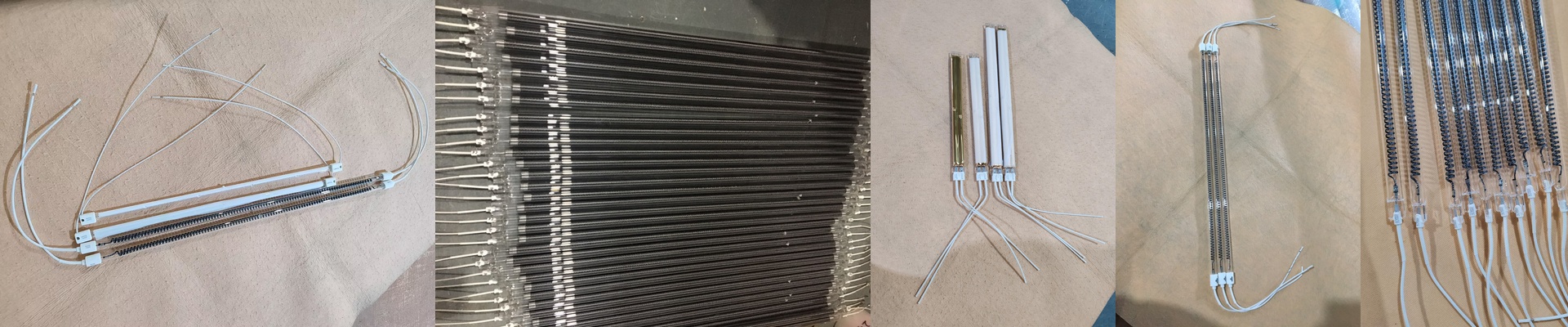
When we spec out electric heating elements for industrial machinery, the core requirement is always the same: get heat into the process fast, and keep it there. The carbon fiber filament heating element is our go-to solution when the job demands rapid heat-up, tight temperature control, and a compact footprint. These are not just heating lamps; they are engineered heat sources built to handle the harsh demands of continuous production.
Technical Deep-Dive: Power, Voltage, and Dimensions
The numbers on the spec sheet are not arbitrary—they dictate exactly where the element fits into your system. We size the element to match the thermal load of the application. A typical configuration might involve a 400V supply driving a 2500W output within a 300mm quartz tube. This specific power density is the key to fast response. The element hits operating temperature almost instantly, which cuts down cycle times on packaging lines or plastic processing equipment. However, packing 2500W into a 300mm length is a trade-off. It delivers intense heat, but it also places a heavy load on the surrounding components. The machine’s cooling system and thermal insulation must be properly designed to handle the ambient temperature rise. If you don’t manage the heat sinking, you risk overheating nearby electronics.
Material and Design: The Physics of the Filament
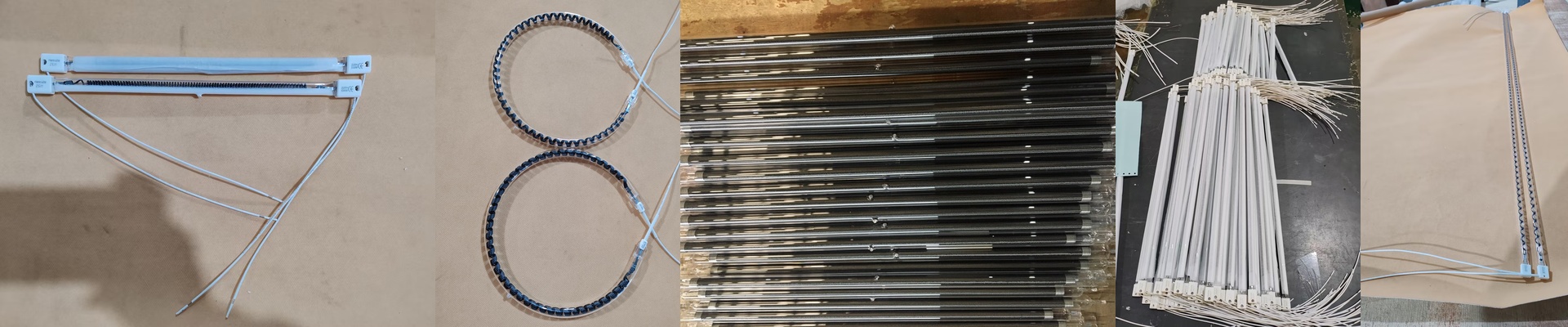
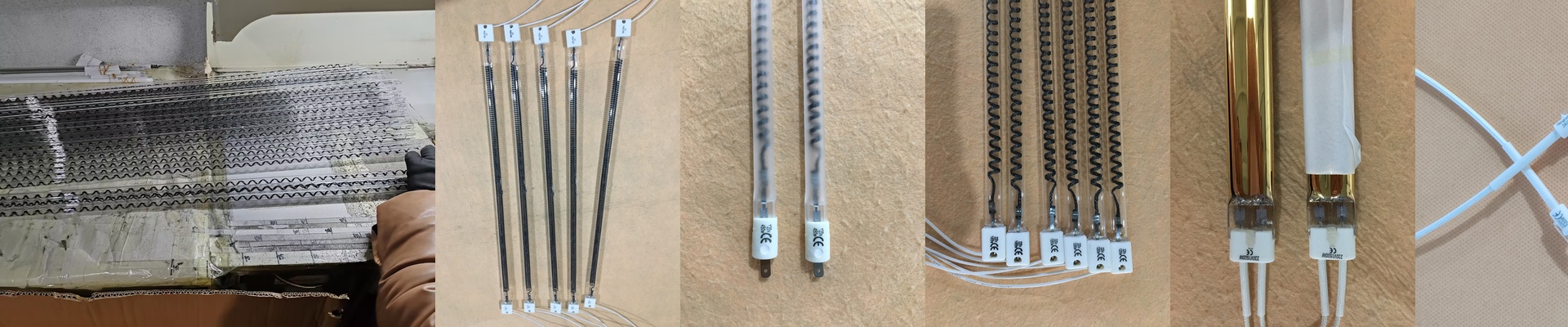
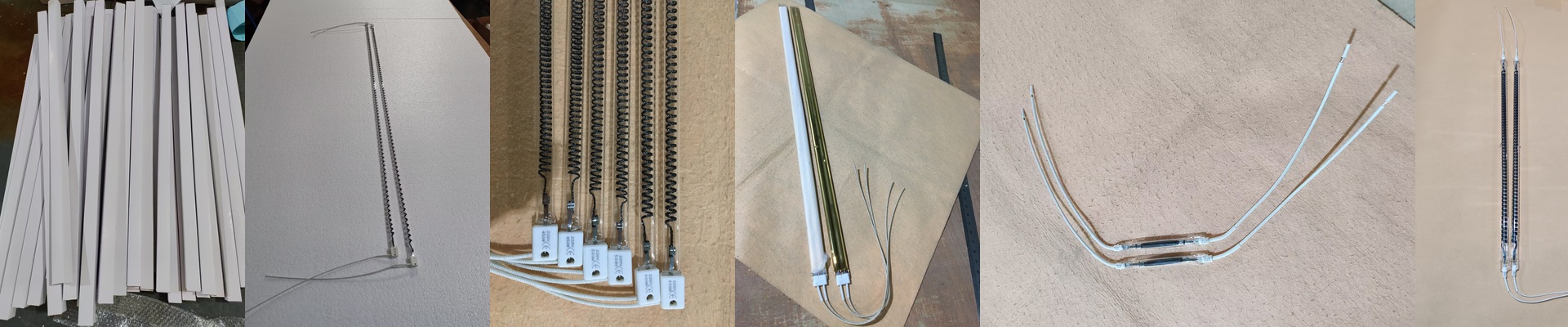
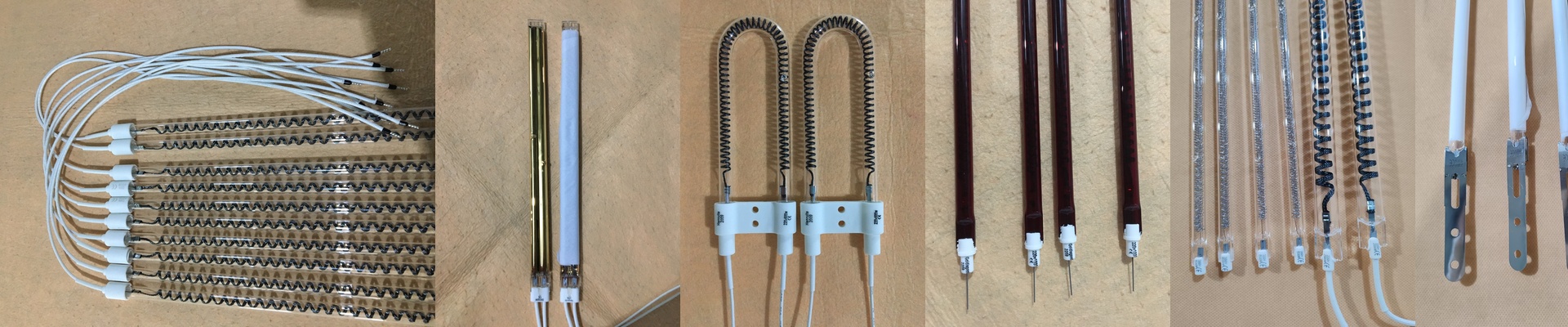
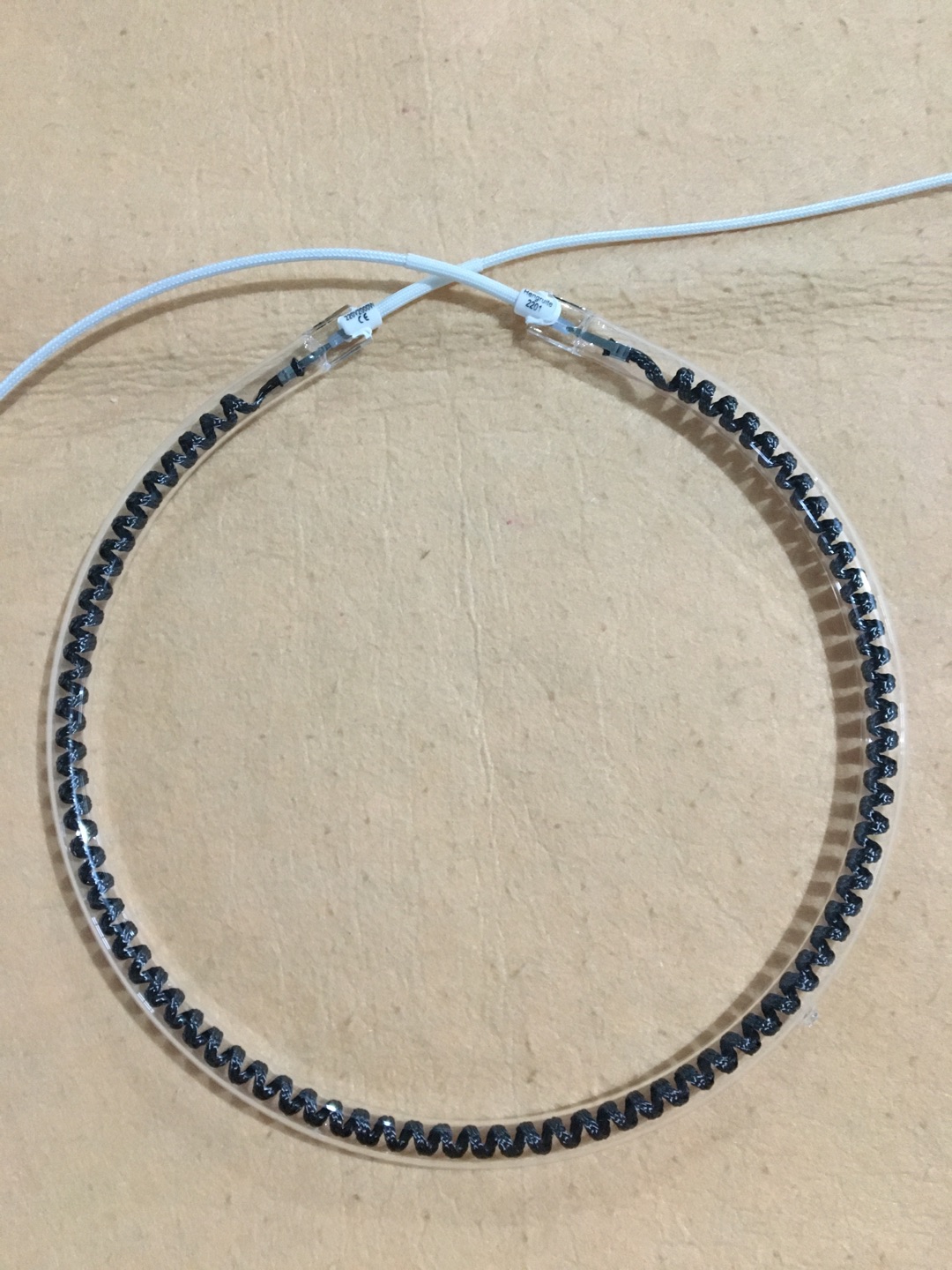
The core of these elements is the carbon fiber filament. Unlike traditional resistance wire, carbon fiber offers a stable resistance profile even at very high temperatures. This stability is critical for maintaining consistent output over the life of the element. The filament sits inside a quartz tube, which is chosen for its high thermal shock resistance. It can handle rapid temperature swings without cracking. We also apply specific coatings to the quartz envelope. These coatings protect the quartz from chemical attack in harsh environments and help control the emissivity of the surface. The connector choice is equally important. An R7s base is standard for this type of linear tube element. It provides a secure, two-point electrical connection that handles the high current draw without overheating the joint. This design ensures the element can be wired up quickly and replaced as a simple drop-in unit, minimizing downtime on the shop floor.
Application and Benefits: Why Engineers Choose This Configuration
In practice, this specific build—carbon fiber filament, quartz envelope, and R7s connection—solves real problems for machine builders. The primary advantage is the speed. These elements heat up in seconds, not minutes. This is essential for applications like PET blowing or shrink tunnels where the line speed depends on the heater’s response time. The durability of the carbon fiber filament means the element takes a beating without burning out prematurely. It handles repeated power cycling better than standard nichrome elements, which extends the service interval. For you, this translates to fewer maintenance calls and lower spare parts inventory. We build these elements to be robust. They deliver high heat density in a small footprint, and the R7s connection makes them easy to swap out. Just remember to match the cooling capacity to the wattage. When the system is balanced, the carbon fiber element runs reliably, cycle after cycle.