What Actually Makes a Carbon Infrared Heating Lamp Tick?
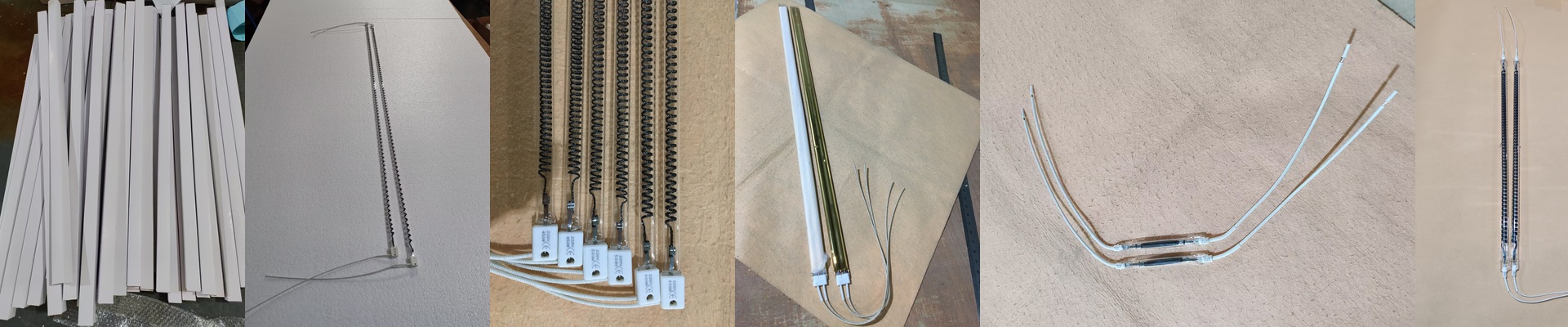
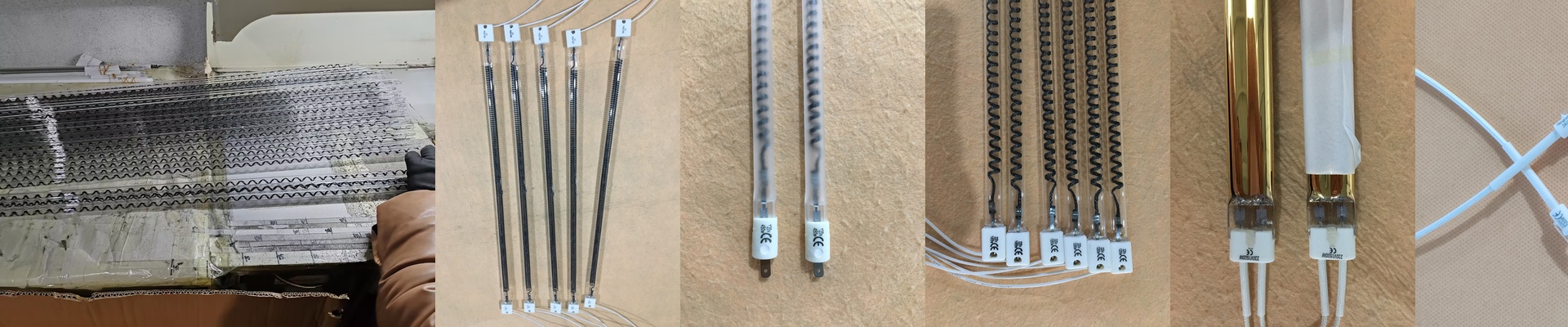
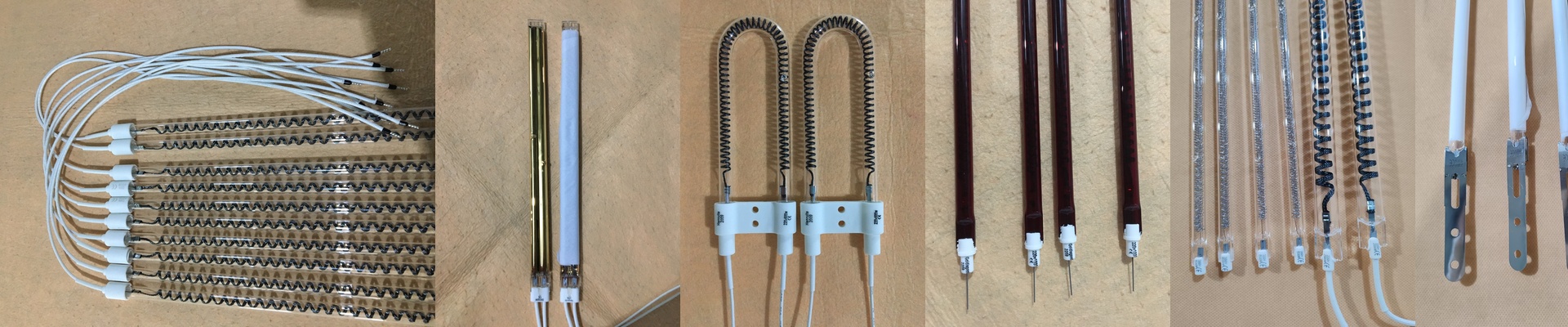
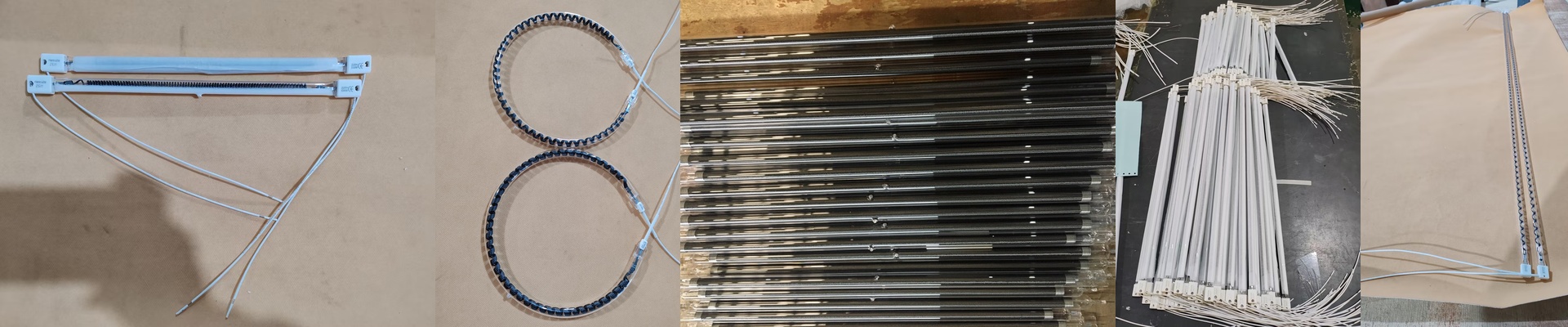
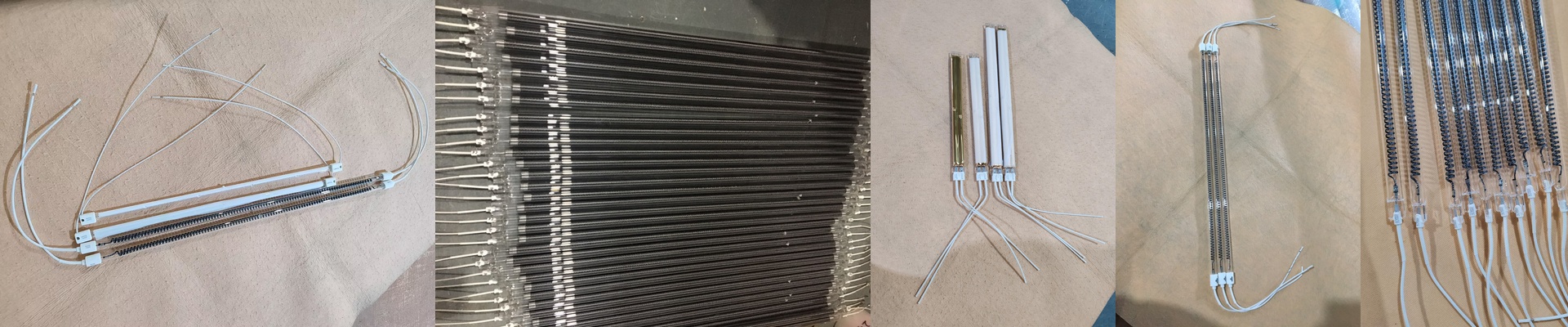
We built these lamps for one reason: to blast heat right where you need it, without wasting energy heating the air around it. Inside, you’ve got a carbon filament tucked inside a quartz tube. When it fires up, it throws out shortwave infrared radiation. The payoff? Lightning-fast heat and energy you can aim like a laser. If your process needs to get hot fast and stay under tight control, this is the kind of heat that gets the job done.
Power, Voltage, and Size: Getting the Details Right
These lamps are sized to match the heat density you actually need. We set them up for the voltages you already run in a plant—think 230V or 400V—so you don’t have to add extra transformers just to make it work. Go higher voltage, and you can pack more wattage into a shorter tube. That means more heat per square inch, without taking up a lot of space. Tube length and diameter are chosen to fit your setup, plain and simple. A shorter tube focuses the beam into a tight spot, so you get intense heat where you want it. A longer tube spreads the output for wider coverage. Either way, the energy goes where you point it, and you don’t end up heating the wrong things. But here’s the reality check: when you squeeze a lot of wattage into a small envelope, the parts around it feel it. Your reflector, socket, and wiring need proper breathing room and thermal clearance. Plan for that, and life gets a lot easier.
Inside the Design: Filament, Coating, and Connections
The carbon filament is the heart of it—stable, predictable, and consistent in how it delivers infrared. The quartz envelope around it handles serious heat while staying clear, so the radiation gets through cleanly and efficiently. Many versions have a reflective coating on the back half of the tube. That coating pushes infrared energy forward, so you get more usable heat out front and less wasted heat leaking out the back. And the connectors? We pick the ones that hold up in real industrial work. R7s and Sk15 types are common because they make solid contact, handle high current, and install without drama. They’re built to drop right in, so swapping a lamp doesn’t turn into a rewiring project.
Where It Shines—And What It Feels Like to Use
Carbon infrared heating lamps are at their best when you need fast, localized heat. Think plastic drying, coatings curing, components heating up—anything that can’t afford to wait around. The element hits temperature in seconds, so your process responds immediately. No lag. No hanging around for the system to catch up. You also get a lot of heat in a small footprint, which makes integration into tight machine spaces way less painful. The output is focused, so you’re not throwing energy at the whole room—just the target. And the lamp is built to endure the daily grind of industrial cycles. One practical heads-up: high heat density means you need good airflow and thoughtful thermal management around the lamp. Plan your mounting and cooling so the lamp and the parts next to it stay in a safe temperature zone. Do that, and you’ll get the performance without the headaches.