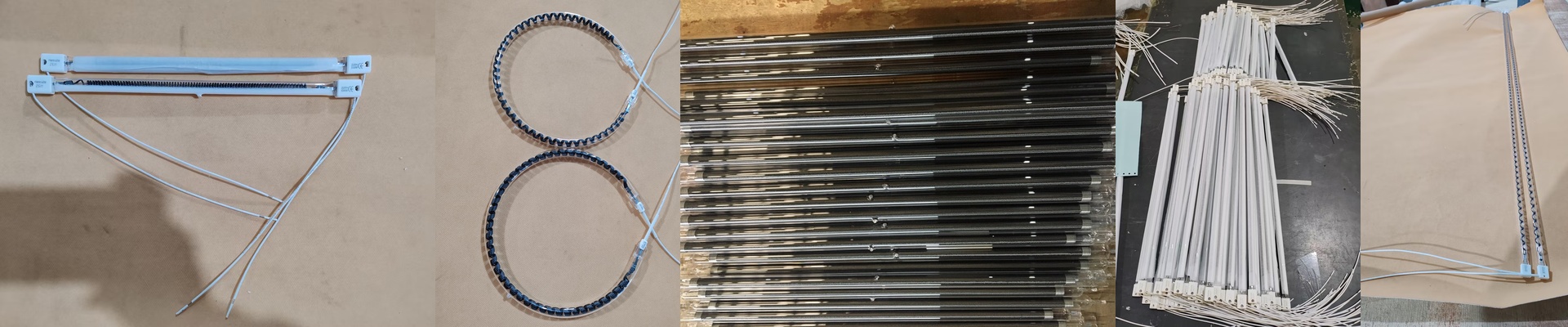
Introduction
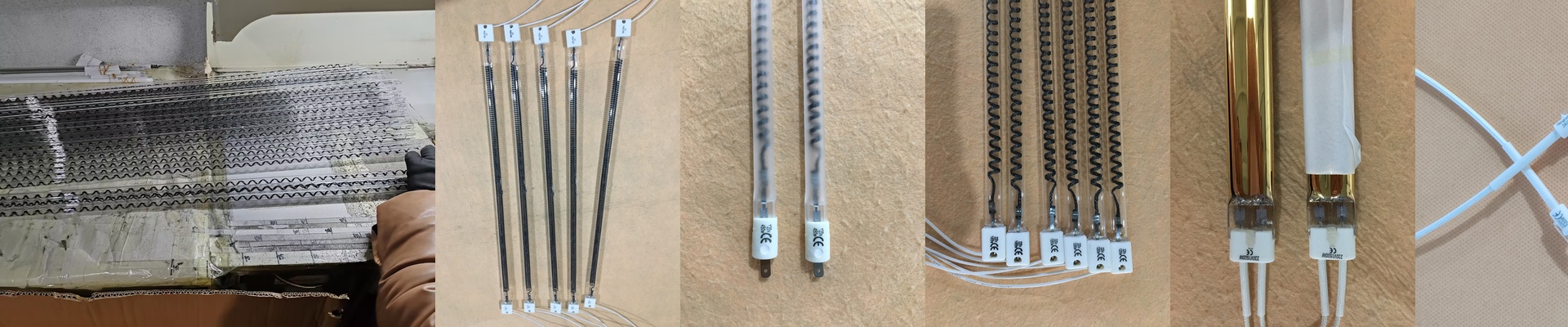
We built this carbon fiber infrared quartz heat lamp for one simple reason: to give you heat you can control—packed tight, fast, and focused. This isn’t a “heat it and forget it” solution. It’s a precision thermal tool for engineers who need a rapid response, rock-stable output, and a form factor that actually fits inside tight machine footprints.
Power, Voltage, and Size: What It’s Really About
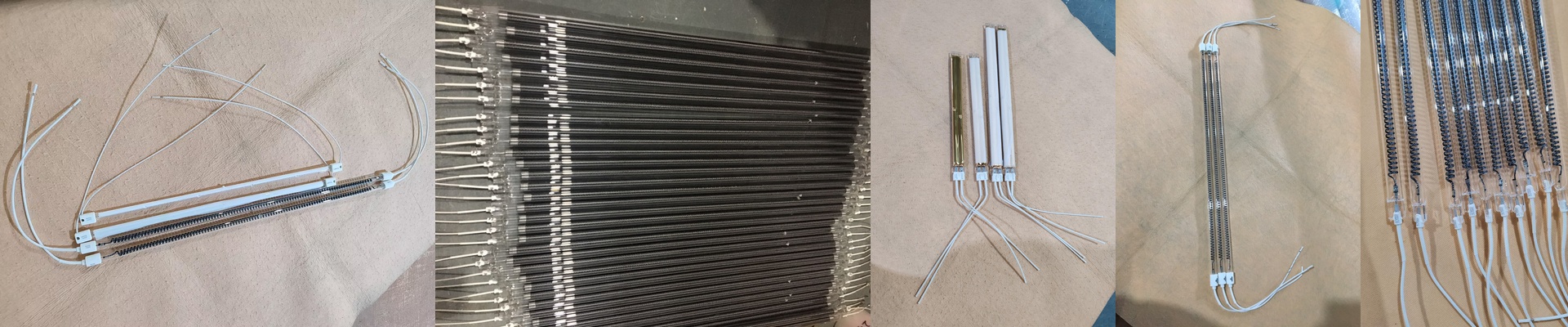
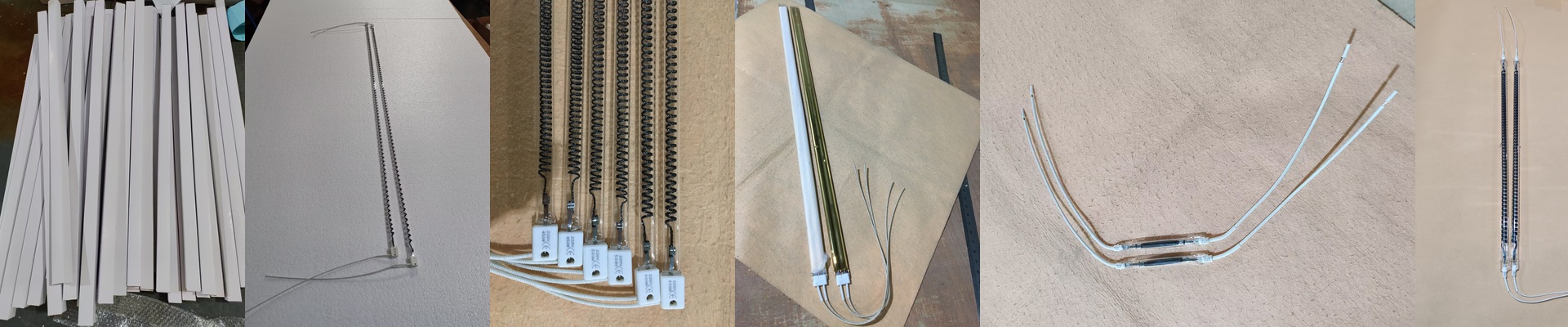
Here’s the core idea:a lot of power in a very small package. You’re looking at a compact tube—often around 300 mm long—that can hit up to 2500 W. The whole point is a quick temperature jump on a small target area. And to make that happen without turning your wiring into a headache, many industrial versions run at 400 V. Higher voltage means lower current for the same power, so your conductors stay reasonable, your connections stay manageable, and you waste less energy heating up the cable instead of the target. Size matters, too. A short, straight tube gives you predictable hot zones and makes mounting straightforward. When you spec a 300 mm lamp, you can plan reflectors, standoffs, and guards with confidence—no guesswork.
Built to Handle the Heat: Quartz, Carbon Fiber, and Connectors
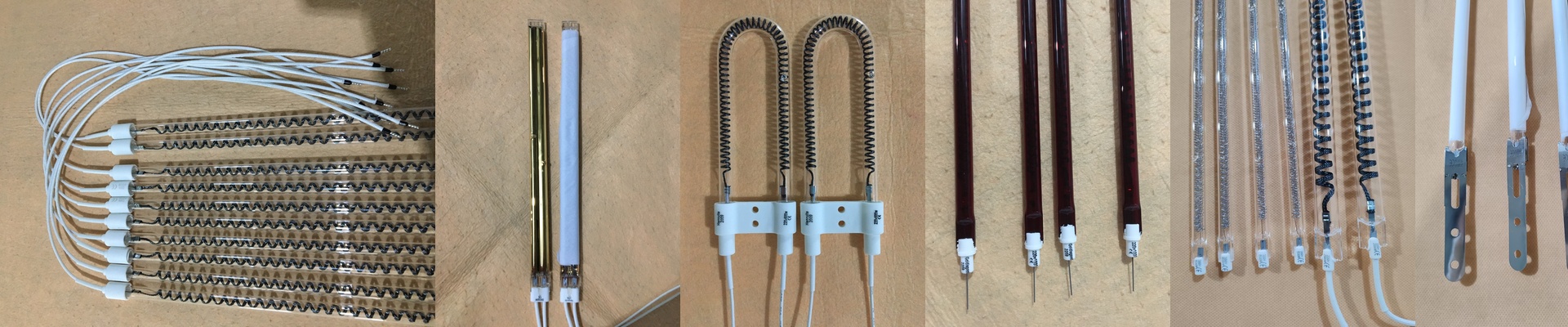
The quartz envelope is there for one reason: it can handle brutal temperature swings without cracking. It stays stable at high heat and stays clear in the infrared range, so the radiant output isn’t trapped inside. Inside, the carbon fiber filament isn’t just a heater—it’s a smart choice. It brings high resistivity and mechanical stability at temperature, so the lamp spools up fast and then holds steady. That consistency also helps the performance repeat from lamp to lamp, which matters when your process needs repeatability. Many versions add a reflective coating on part of the tube. That redirects backward radiation forward, so more of the heat goes where you want it—boosting efficiency right at the point of application. But there’s a trade-off: that coating creates a temperature gradient along the tube. So you need to keep mounting hardware and sockets within their rated limits. For connections, you’ll often see R7s and SK15. They’re chosen because they can take the heat and stay reliable. R7s gives a stable two-contact interface that handles thermal expansion without losing tension. SK15 is the option when you need a tough, tool-friendly connection that can handle vibration and repeated maintenance without loosening.
Where It Shines—and What to Watch For
This lamp is engineered for industrial work that demands fast, localized heating. In plastics forming—think PET blowing—it can raise material temperature quickly and evenly, which helps keep cycle times tight. In drying and curing lines, the short-wave infrared output penetrates coatings and surface layers faster than convection, so you can shorten the line and use less energy. The practical wins are real: it heats up fast, so warm-up delays shrink. The footprint is compact, so you can redesign for smaller machines and better access. And the high power density gives you the output you need without blowing up the whole heating chamber. Just be honest about the thermal side. A 2500 W lamp in a 300 mm tube is dense heat. Your machine needs proper cooling, shielding, and airflow around the lamp and socket. Plan your guard, pick the right terminals, and keep the hot zone away from sensitive parts. When you spec it correctly, it’s a dependable way to hit process temperature on demand—without drama.