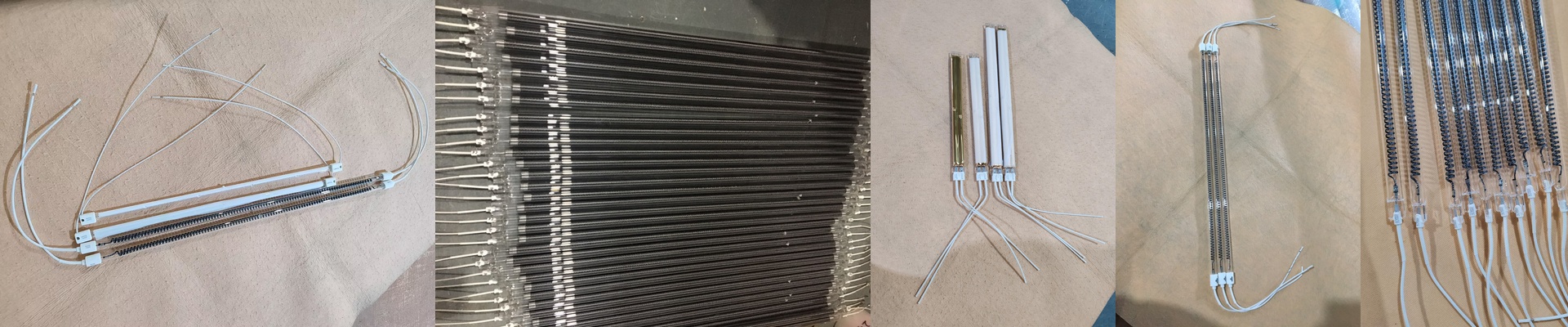
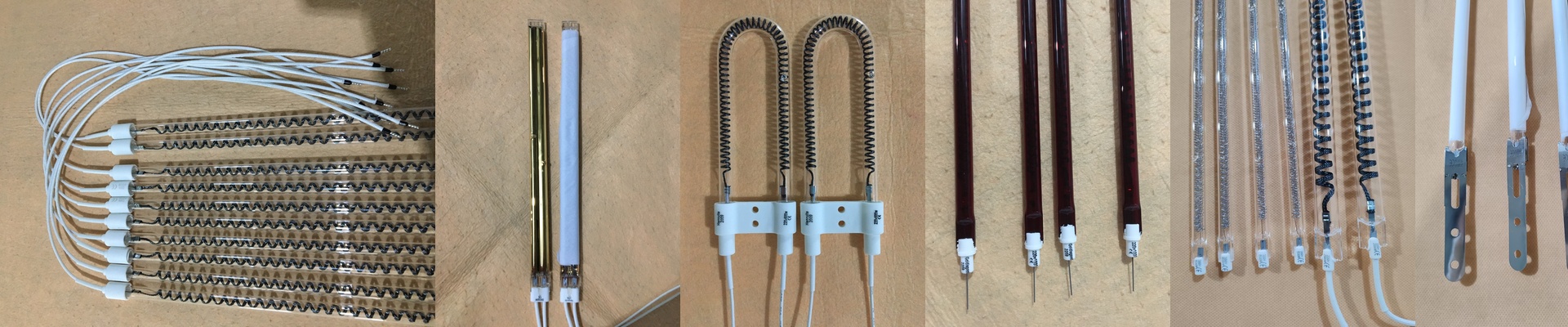
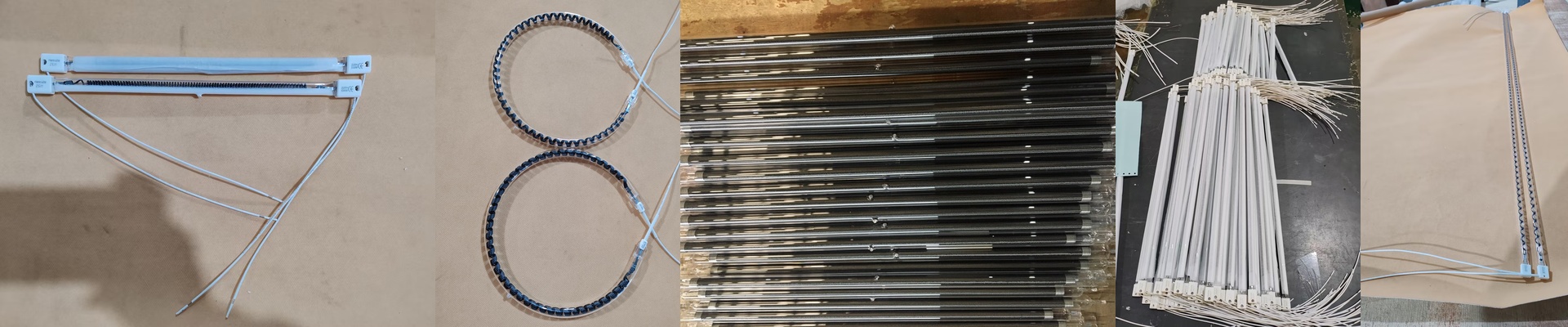
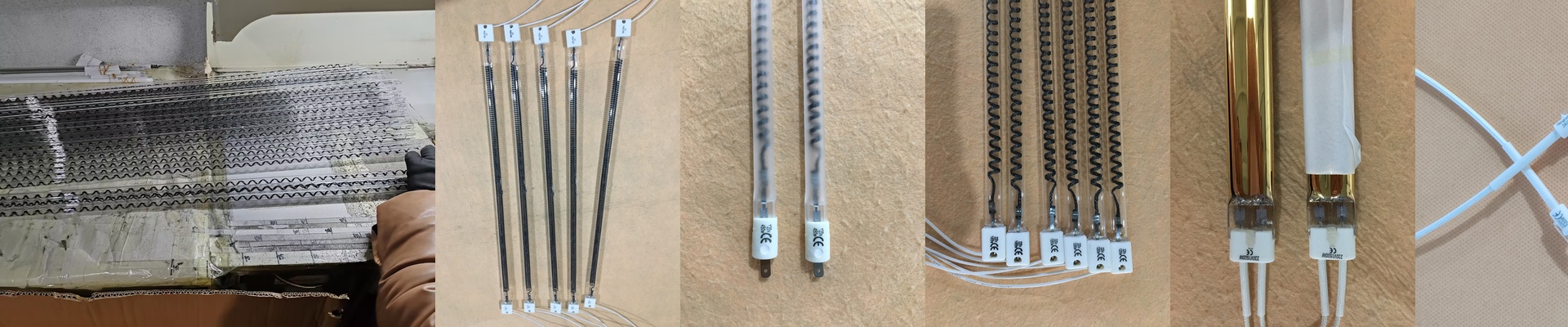
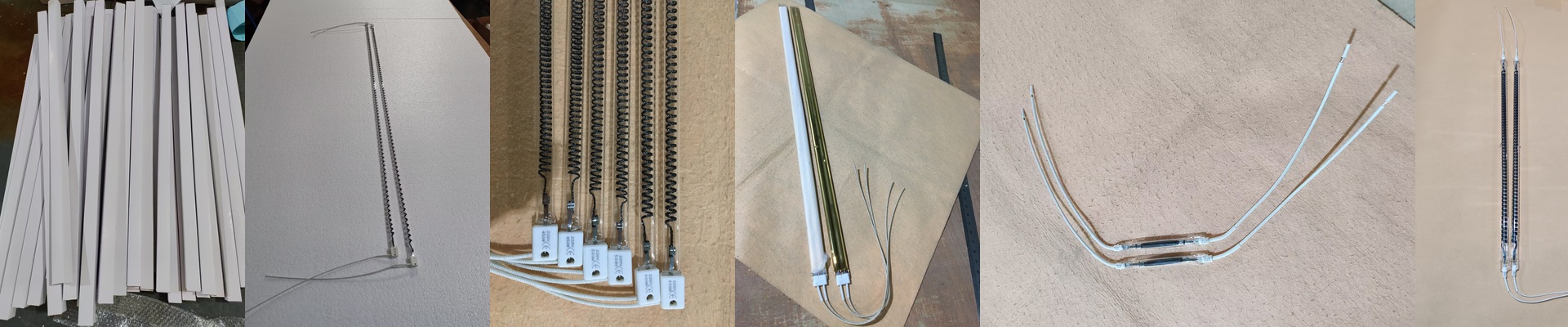

Getting Your Sulfet IR Heat Just Right
When you’re hunting for spare parts for your Sulfet rotary machines, it’s easy to look at the infrared lamp and just see a light bulb. But in the real world, that lamp is what keeps your ink drying and your plates at the right temperature. Get the specs wrong? You’re looking at uneven drying or, even worse, burnt plates. Neither is a great way to start a shift.
The Deal with Power and Voltage
We build these lamps to take the hit of high-wattage industrial flexo work. If you’re pushing a high-speed line, you need a lot of heat in a very small space. But here’s the catch: your power supply has to be rock solid. One voltage spike and that filament is gone.Poof. Before you order a drop-in replacement, do yourself a favor and double-check the actual voltage your machine is pulling. It saves a lot of headaches later.
Quartz and Connections
We use high-purity quartz glass for a reason. It lets the IR radiation punch through the ink layer instead of getting trapped in the tube. Then there are the connectors. Whether you’re dealing with R7s or special pins, they need to be snug. A loose fit leads to arc faults, and those arcs will literally melt your socket. We keep the tolerances tight so the lamp seats firmly in the Sulfet housing. It means fewer hiccups and less downtime when you’re swapping them out.
The Reality of the Shop Floor
The best part about these lamps is how fast they react. You get heat almost instantly. The downside? Quartz is fragile. One accidental bump with a wrench or a splash of harsh cleaner and the tube cracks. **Pro tip:**Always wear gloves. The oils from your skin create hot spots on the glass, which kills the lamp way faster than it should. And while you’re in there replacing a burnt-out array, take a look at your reflectors. If they’re covered in dust, even the most expensive lamp in the world won’t perform. Give the housing a good clean before you wire everything back up.