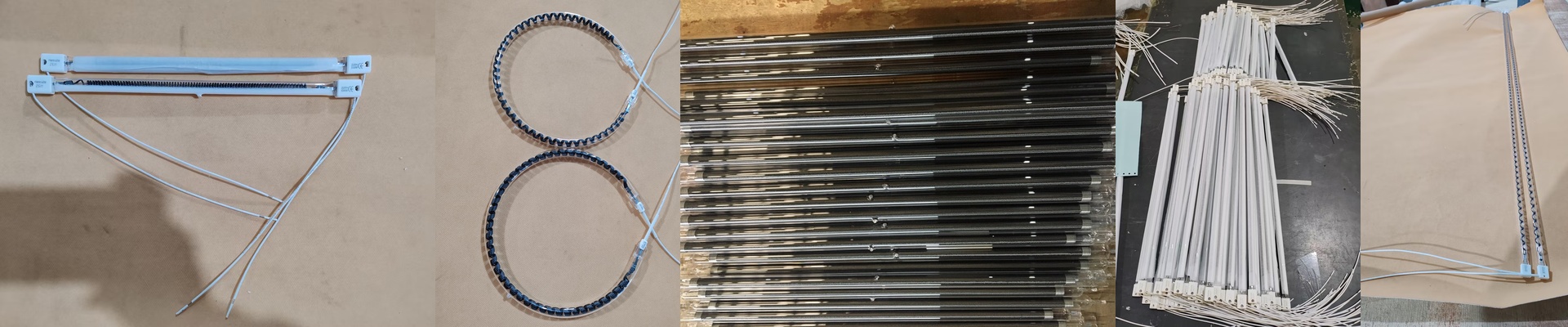
Let’s talk about IR lamps (and why you’re probably overpaying)
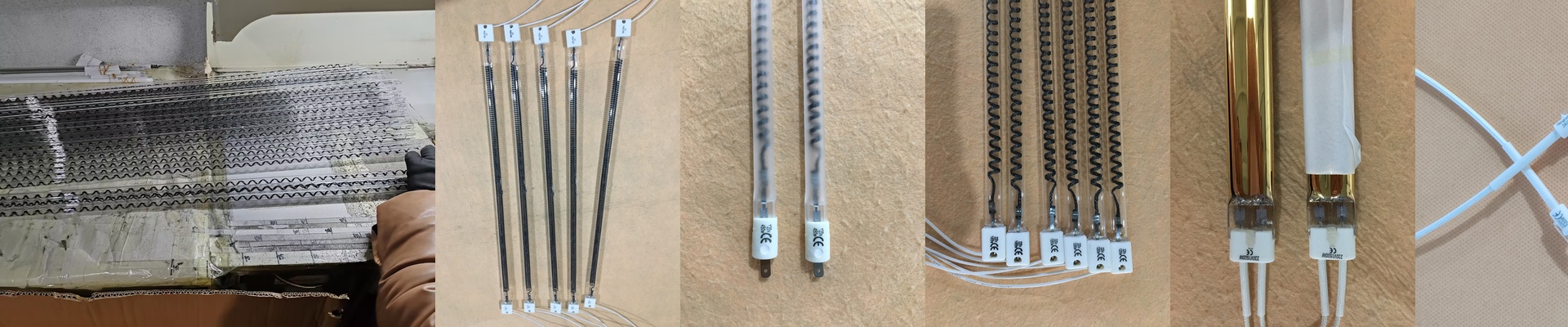
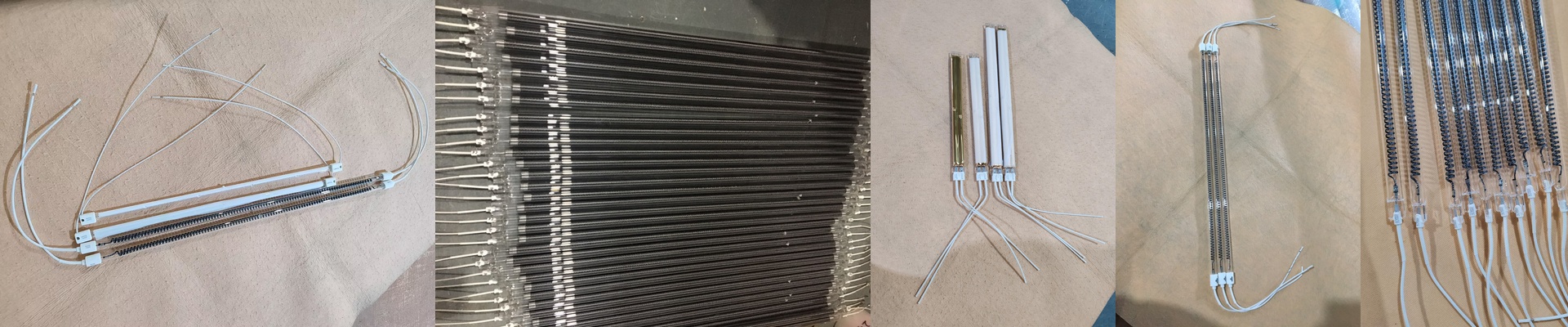
Here is a little secret: most printing plants are paying a massive premium for “name brand” IR lamps. But when you actually look at them, they’re just standard industrial parts. Strip away the fancy logo and what do you have? A quartz tube, a tungsten filament, and some gas. That’s it. Physics doesn’t care whose logo is on the box; heat is heat.
Getting the heat right
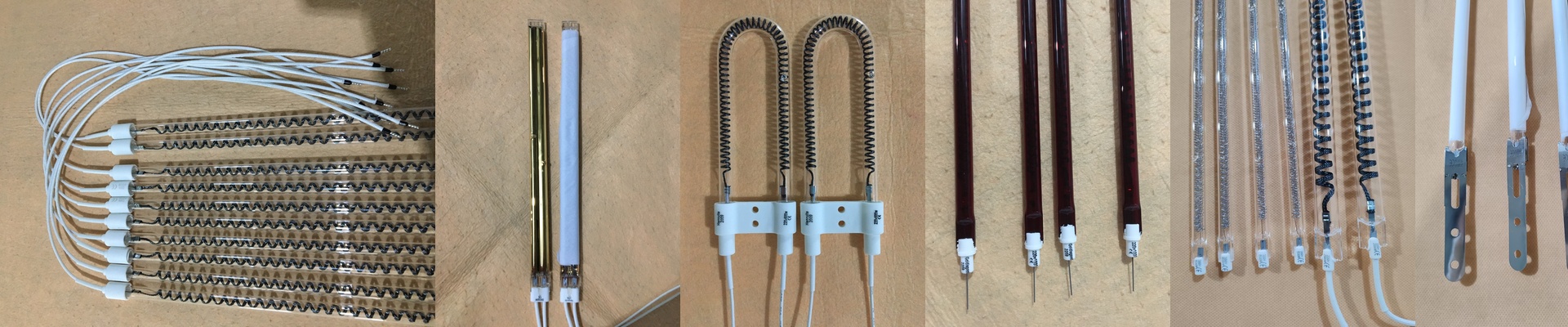
When we talk about how a lamp actually performs, it really just boils down to wattage, voltage, and length. Take a 230V or 400V tube. It’s designed to hit a very specific temperature so your ink flashes dry without scorching the material. We build ours to fit your existing slots exactly. It’s a balancing act. If the wattage is too low, your line speed crawls. Too high? You’re burning your ink. We lean heavily into watt-density. High-wattage shortwave lamps cram a lot of energy into a small space, which means your curing happens way faster. Just do me a favor:**keep your reflectors clean.**If they’re dusty, that energy bounces right back into the lamp and kills it way sooner than it should.
The guts of the thing
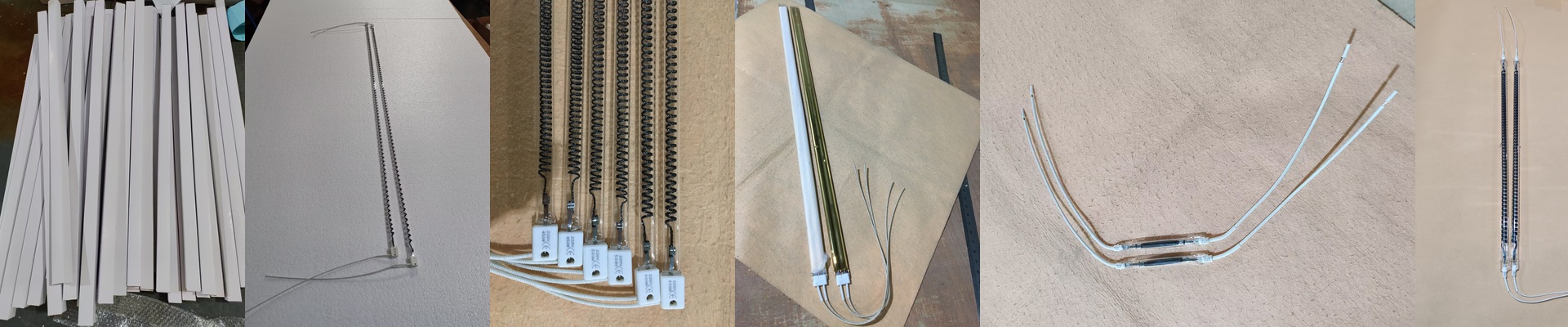
We use high-purity quartz glass because it can take the thermal shock without cracking. Most of our lamps use halogen cycles to keep the filament alive longer. It basically stops the tungsten from evaporating too fast. As for the plugs, we stick to the basics like R7s or Sk15. They’re simple drop-in replacements. You just wire them into your current controllers and you’re back in business—no need to rewire your whole machine or call in an electrician to redo the layout.
The catch
There is a trade-off here. Faster drying means more heat density, which puts a lot of stress on the quartz. If your ventilation is bad, you can’t just crank these lamps to 100%. If heat builds up around the ends of the tube, the seals will eventually give out. The trick is to make sure your airflow matches your wattage. Keep it cool, and the lamps will keep running.