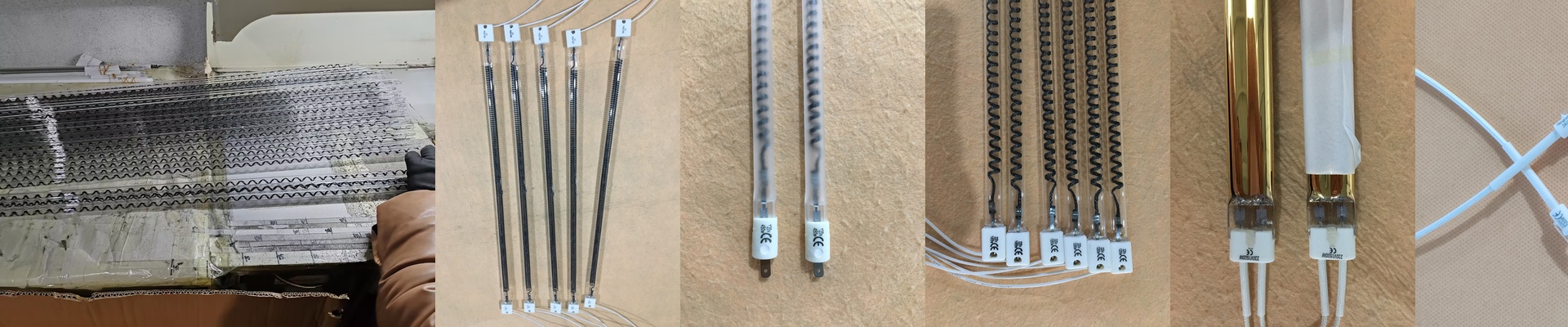
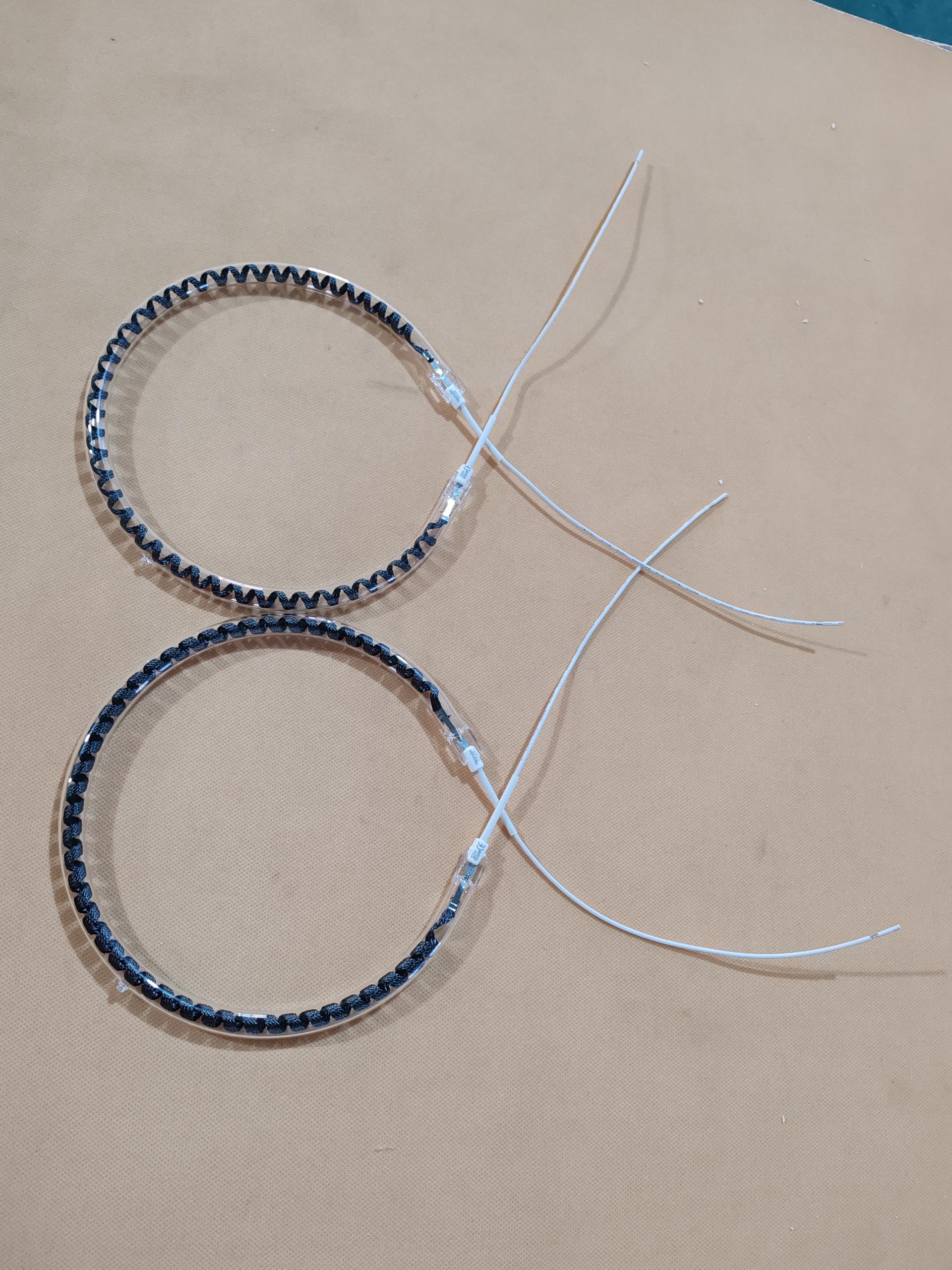
Getting a Grip on Carbon Tube Reflector Lamps
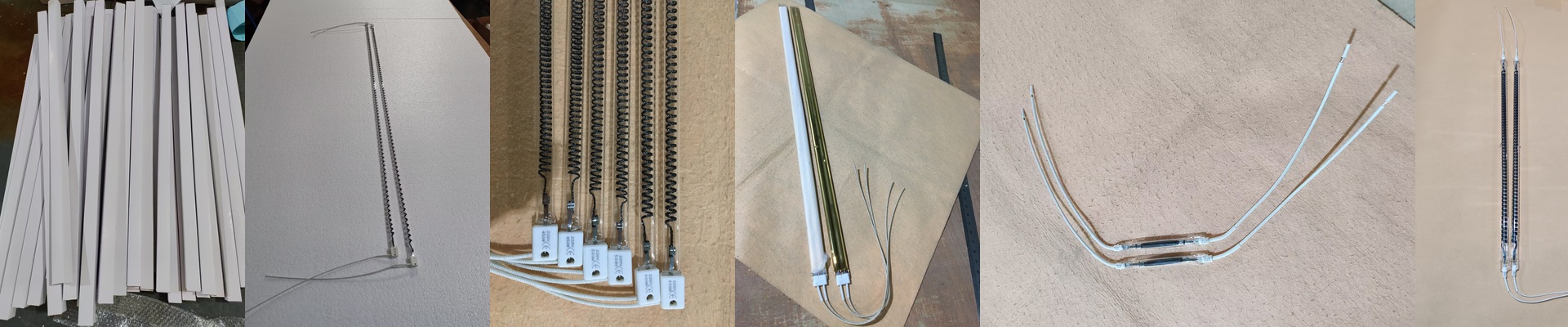
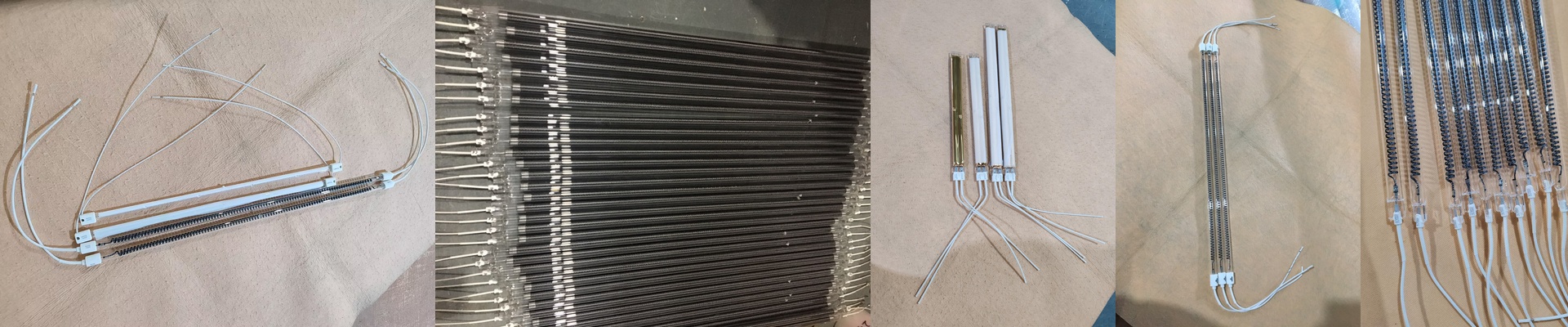
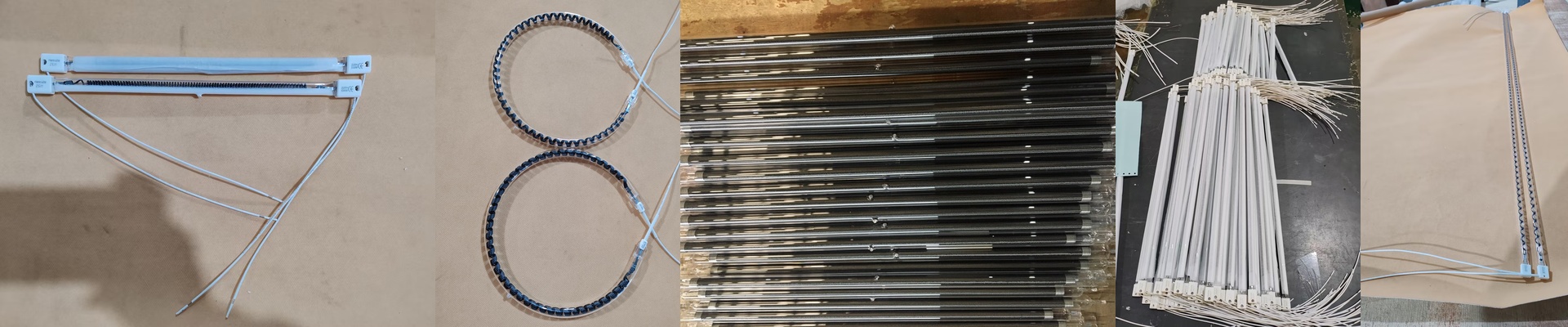
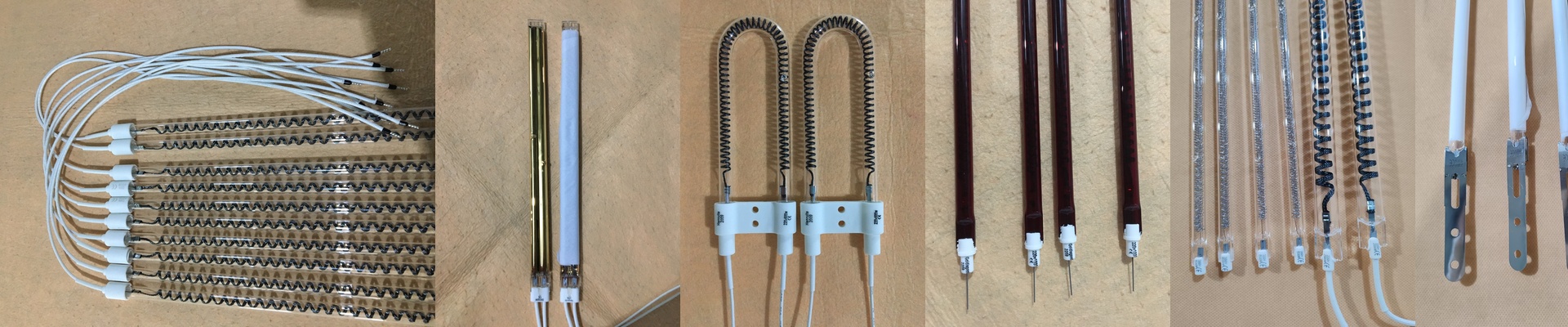
Think of these lamps as the heavy hitters of the heating world. You’ve got a carbon filament tucked inside quartz, and a parabolic reflector that pushes all that infrared heat exactly where you need it. We build these for the jobs where you can’t sit around waiting for things to warm up. You need heat, and you need it now. The Power Side of Things Here’s the thing about performance: it all comes down to how much wattage you can cram into a specific length. If you put a high-wattage tube in a short space, you get an incredible amount of heat density. But you’ve got to be careful with your power supply. Most of these run on 220V or 380V. If you try to run a 2500W tube through wiring that just can’t handle the load, you’ll get voltage drops. That doesn’t just kill your efficiency—it kills the lamp. It’s a quick way to burn through your hardware. It’s All About the Bounce The reflector isn’t just there for looks. It’s a tool. It grabs those IR waves that would normally waste away in the back and bounces them straight onto your workpiece. It basically doubles the heat you’re getting. We use high-purity quartz because these things go through some serious thermal shocks. They get hot, they cool down, and they do it fast. To make your life easier, we use R7s or Sk15 connectors. They just slide right into most industrial housings. No need to rip apart your machine chassis or spend hours modifying the frame just to get them wired up. The Reality of Using Them These lamps are fast. Like, “instant-on” fast. That’s why they’re the go-to for things like paint curing or PET blowing. But there’s a catch. All that intense heat puts a massive amount of stress on the quartz. If your cooling fans decide to quit or the room gets way too hot, the tube is going to pop. Make sure your housing is vented. If the air can’t move, the heat just pools inside the reflector assembly. It’s a recipe for a short lifespan. Keep them breathing, and they’ll keep working.