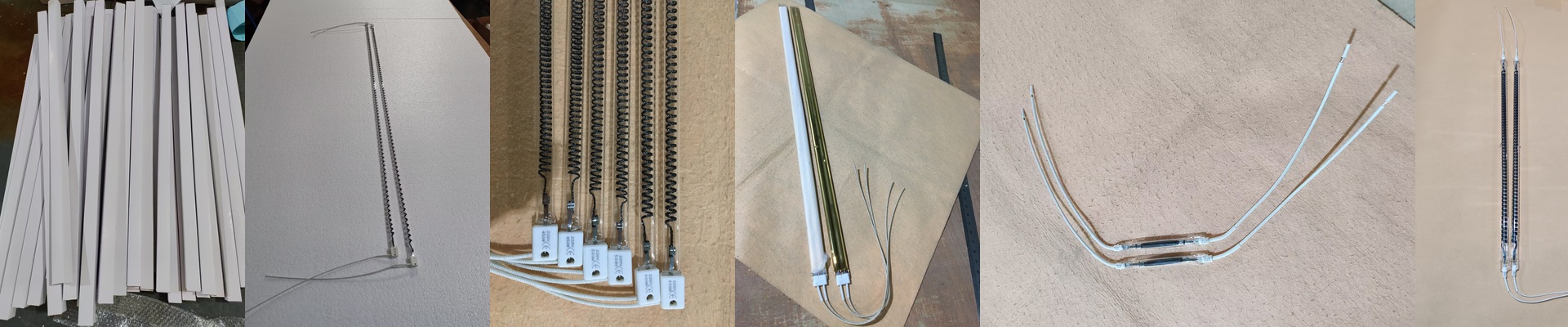
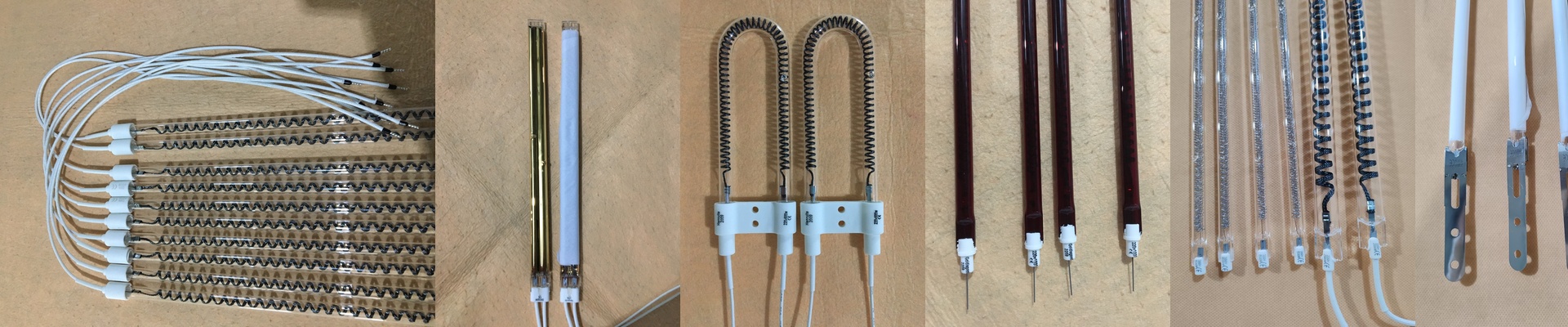
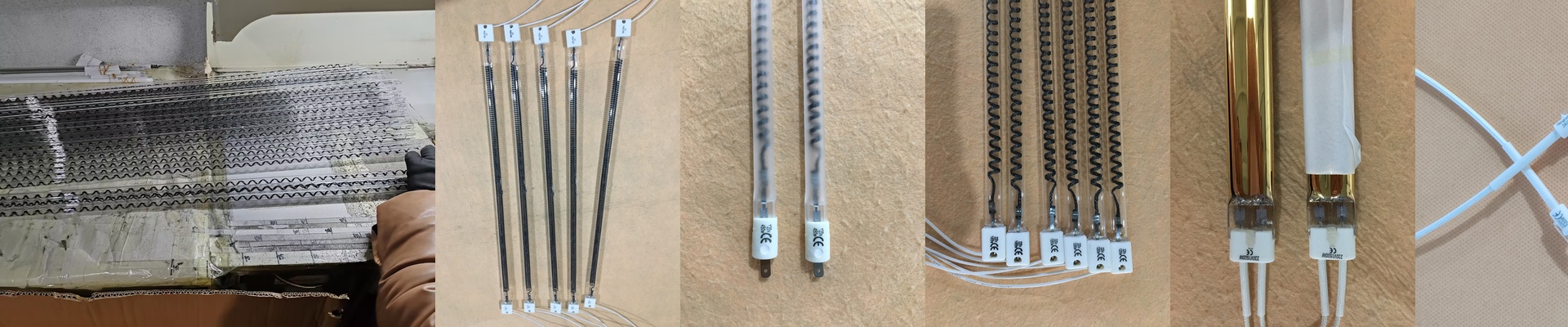
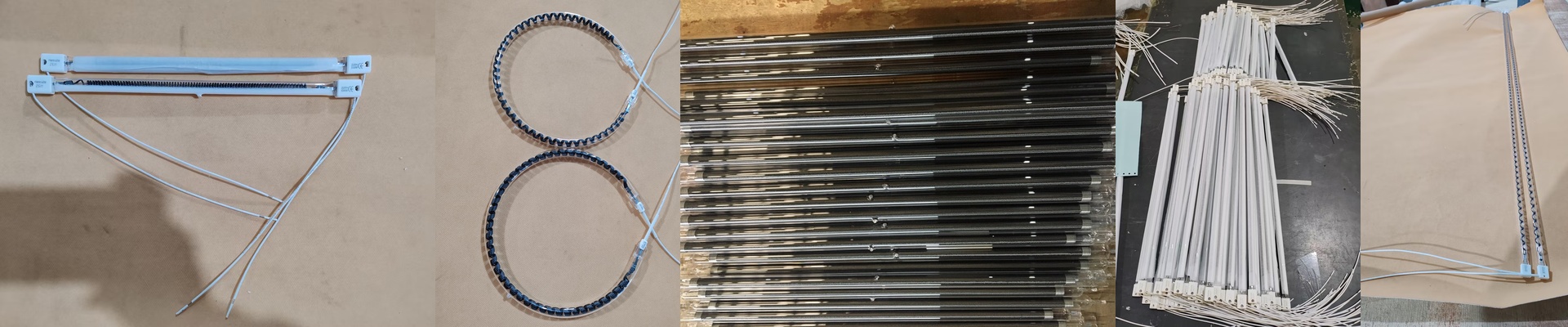
No Fuss, No Mods: IR Lamps That Actually Fit
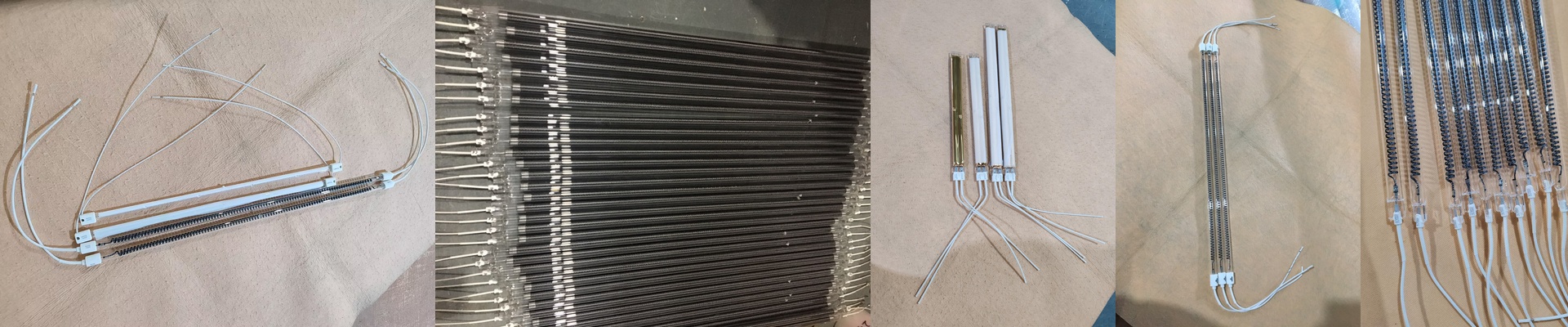
Ever tried to swap out a part only to find it’s just a hair too long or the plug doesn’t quite click? It’s a nightmare. That’s why we build our infrared lamps to slide right into the five biggest printing brands on the market. We aren’t trying to make one generic lamp that “sort of” works for everyone. Instead, we obsess over the exact electrical and physical footprints the big OEMs use. We want you to plug it in and get back to work. The nitty-gritty on specs High-end presses are picky. They need a very specific balance of voltage and wattage to get the ink curing just right. We build our tubes to hit those exact marks. Whether you’re running 230V or 400V, we match the wattage per millimeter. Why? Because nobody wants to blow a fuse or—even worse—deal with under-cured ink ruining a whole run. And we’re strict about the size. If a lamp is off by even a single millimeter, it won’t sit right in the holder. That leads to arcing, premature burnouts, and a lot of wasted money. We don’t do “close enough.” Quartz and connections Rapid cycling puts a lot of stress on glass. To stop them from cracking under the thermal shock, we use high-purity quartz. As for the wiring, we stick to the standards you already have, like R7s and SK15. You just use your existing sockets and you’re good to go. Plus, if you’re working with specific ink pigments that need a certain wavelength, we can do coated tubes to hit that sweet spot. A quick tip for the shop floor Here’s the thing about high-wattage shortwave lamps: they put out a massive amount of heat. It’s great for keeping your line speeds fast, but it’s brutal on your reflectors. If your reflectors are pitted or oxidized, you’re throwing away a huge chunk of that energy. It’s like trying to shine a flashlight through a dirty lens. Whenever you swap a lamp, take a second to check your mirrors. If they’re dirty, the heat gets absorbed by the reflector instead of the substrate. You’ll never hit peak performance if your mirrors are filthy.