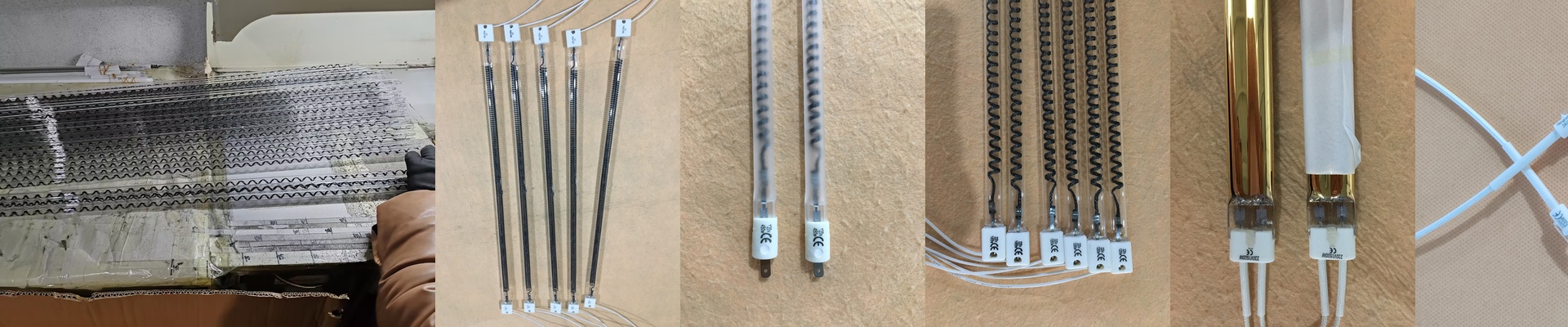
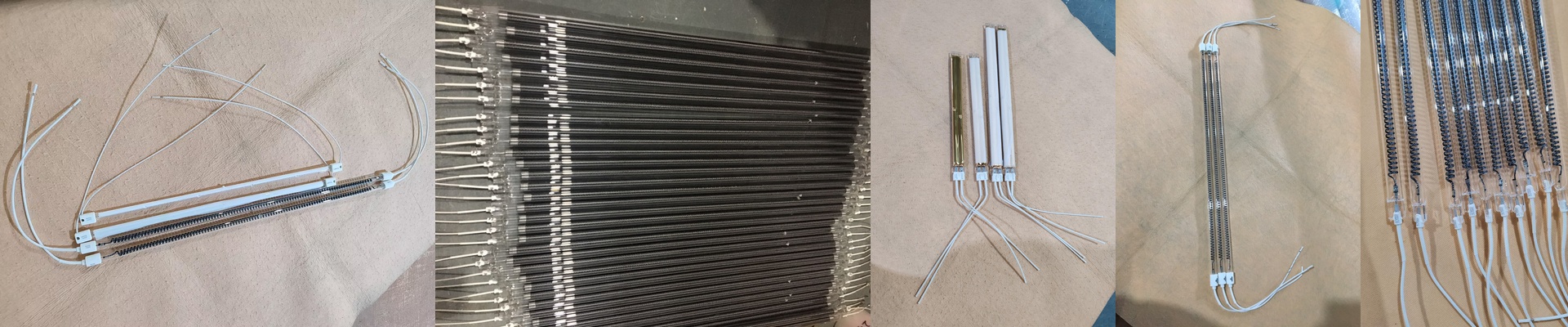
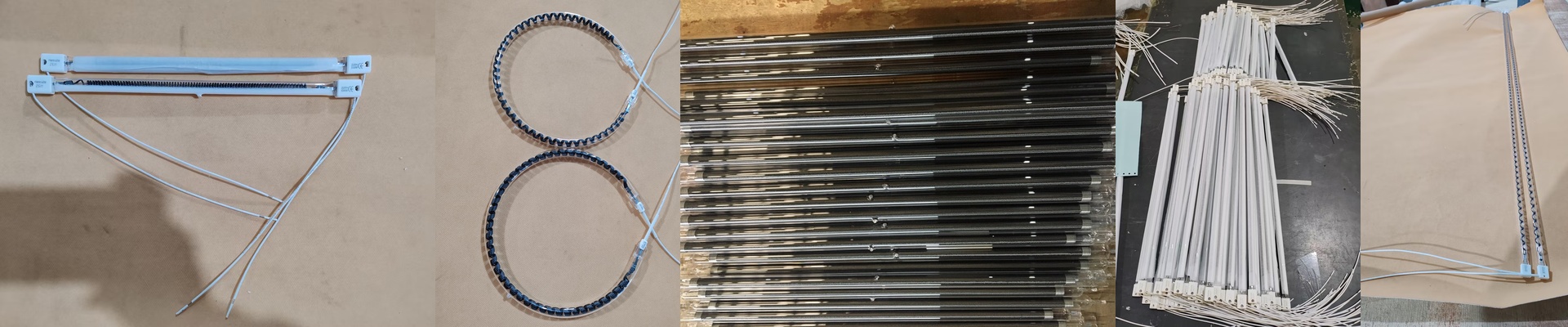
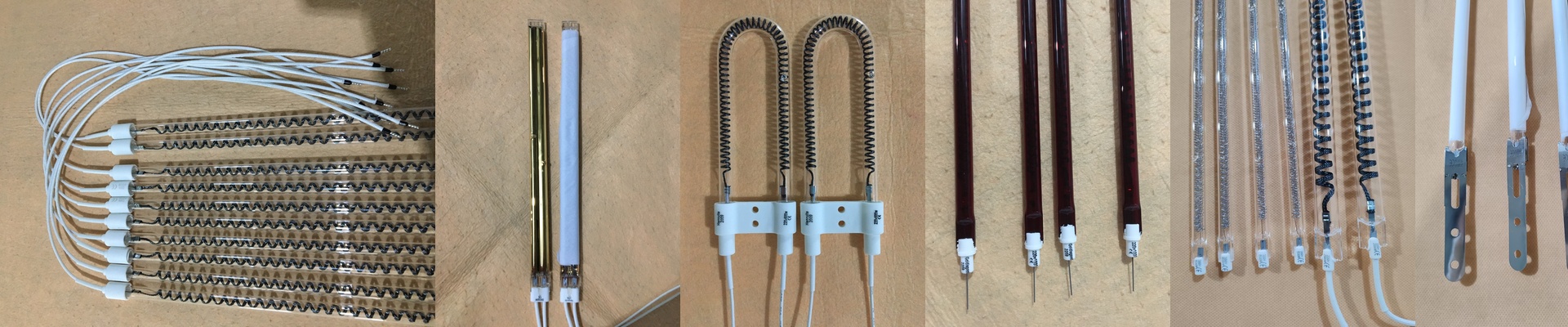
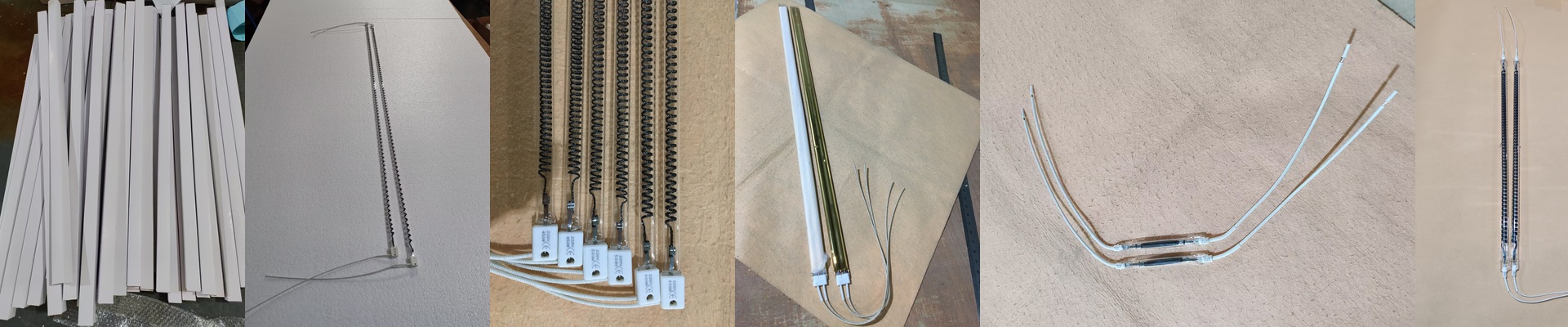
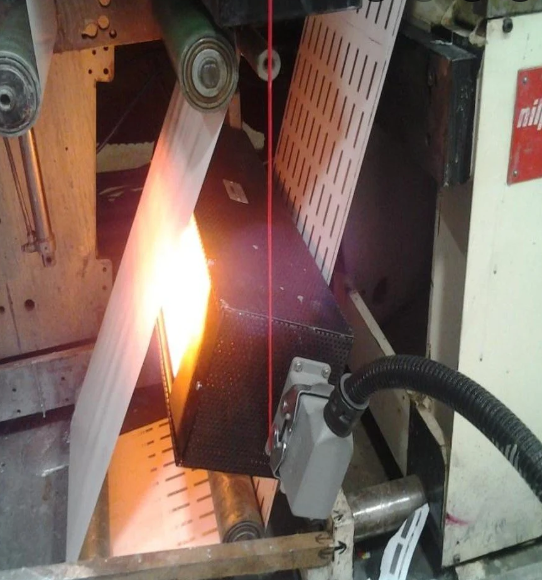
Let’s Talk About the 11x23mm Gold-Coated Twin Tube IR Lamp
If you’re running an industrial printing line, you know the deal: heat density is everything. It’s what dictates how fast your line can move. That’s why the 11x23mm twin tube setup is such a smart bit of engineering. By packing two filaments side-by-side into one tiny footprint, we get way more radiant heat without needing a bigger lamp housing. It’s a lot of power in a very small space.
Why the gold coating actually matters
You’ve probably noticed the gold finish on the quartz. That’s not for looks. Standard clear quartz is a bit leaky—it lets heat bleed out in every direction. But the gold layer acts like a mirror, pushing all that infrared energy straight forward onto your substrate. The result? You get a much tighter thermal profile. Plus, your machine frame doesn’t get baked by wasted heat, which keeps everything running cooler and longer.
The gritty details
These 11x23mm lamps are built to fit right into most high-speed dryers. We use high-purity quartz because these things take a beating. They go from cold to scorching hot in seconds, over and over again. One heads-up, though:keep an eye on your voltage. These lamps put out massive heat, but they’re sensitive. If your plant’s power is “dirty” or prone to spikes, you’ll burn through your filaments way faster than you should. If that sounds like your shop, just toss in a voltage stabilizer. It’s a small move that saves you a lot of money on replacements.
Stop overpaying for the logo
Here’s the thing about “original” brand lamps. A lot of shops pay a huge premium just because of the name on the box. But when you look at how these are actually made, the process is pretty standard. It all comes down to three things: the grade of the quartz, how thick the gold sputtering is, and the purity of the tungsten filament. If the wattage, voltage, and size match your machine, the lamp is going to do the exact same job. You’re paying for the physics of heat transfer, not a brand name. Switching to a direct replacement with the same specs is an easy way to cut costs without messing with your curing quality.