What’s actually inside your IR lamp?
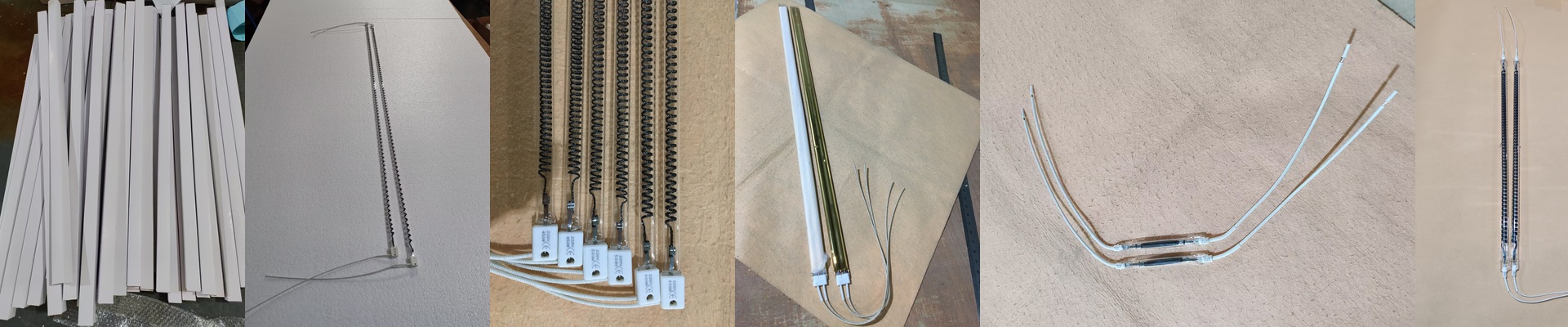
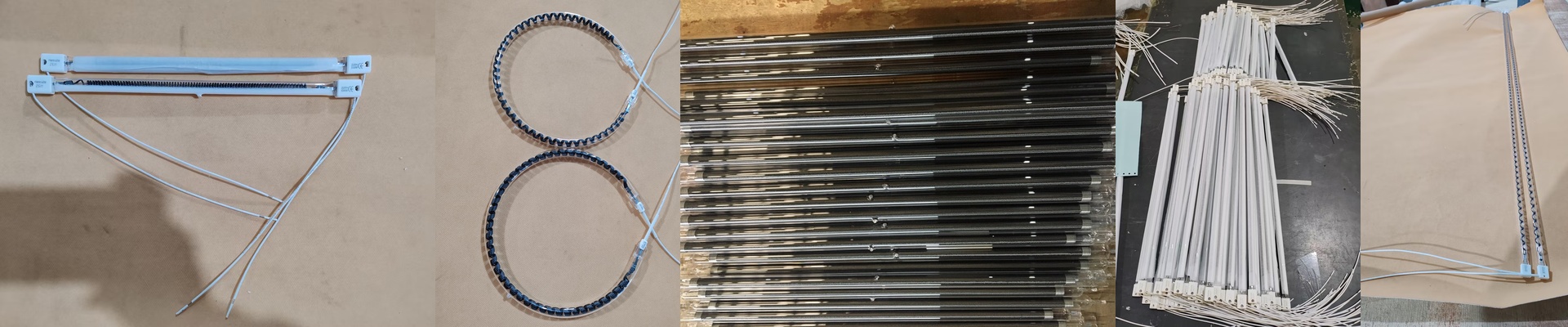
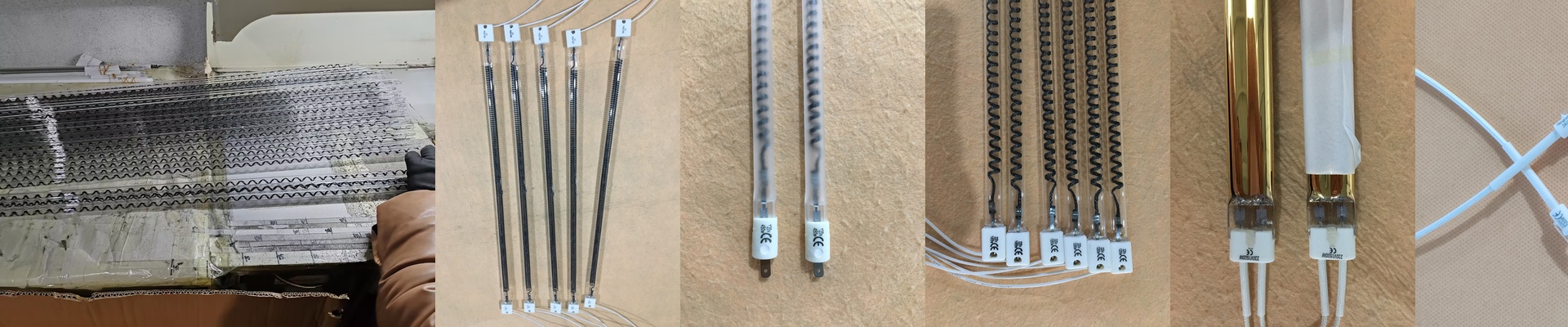
Most people look at an IR lamp and just see a glass tube. But if you’ve ever had one pop or burn out too early, you know it’s a lot more than that. It’s really a delivery system for heat. When you work with a supplier who handles the big industrial contracts, you aren’t paying for a fancy logo on the box. You’re paying for the stuff you can’t see—like how tight the tungsten coil is wound and how pure the quartz actually is.
The battle with heat and voltage
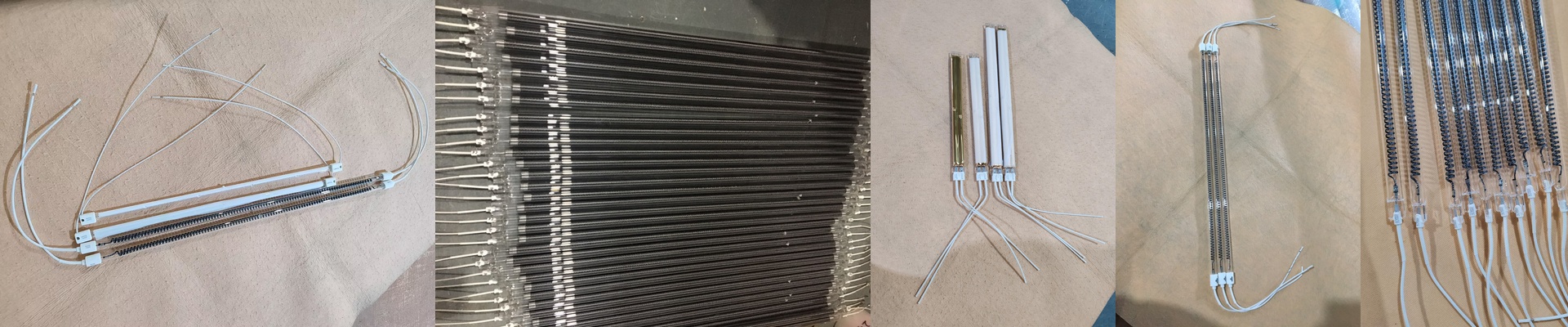
Here’s the thing about power: it’s aggressive. If you’re running a 300mm tube at 400V, you’re shoving a massive amount of wattage into a tiny space. That creates a huge thermal load. We spend a lot of time making sure the tungsten filament is wound perfectly so the resistance is the same from end to end. Why does that matter? Because if the winding is off by even a couple of millimeters, you get hot spots. And hot spots are basically death sentences for your lamp. They burn out fast.
The materials that keep it alive
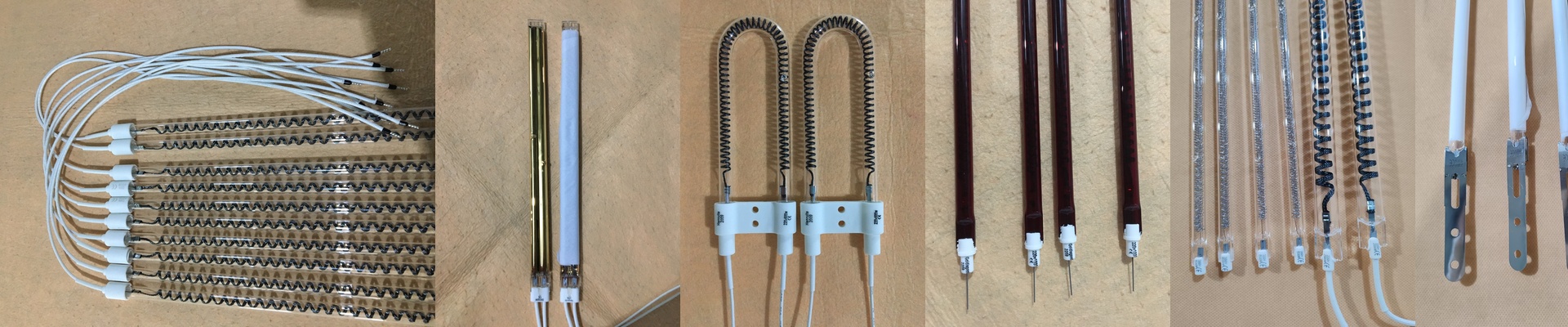
We use high-purity quartz because it doesn’t warp when things get screaming hot. For the shortwave stuff, we add halogen cycles. This basically catches the tungsten as it evaporates and puts it back onto the filament. It’s a simple trick, but it makes the lamp last way longer. Then there are the connectors—things like R7s or SK15. It’s not just about whether they fit in the socket. They have to handle high current without oxidizing or getting crusty. We make sure the contact points sit deep so you don’t get any scary arcing when you flip the power switch.
Real talk: Using them in the field
These lamps are built for the heavy lifting—things like PET blowing or industrial curing. They’re designed to slide right into your existing setup and mimic the spectral output of the big international brands. But a word of caution: these things put out an intense amount of heat. If you’re squeezing a 2500W tube into a tight spot, your cooling fans have to be up to the task. If the air doesn’t move, the housing will overheat. Before you know it, you’re frying your electrical components, and that’s a headache nobody wants.