Stopping the Heat Drop in Long Tunnel Dryers
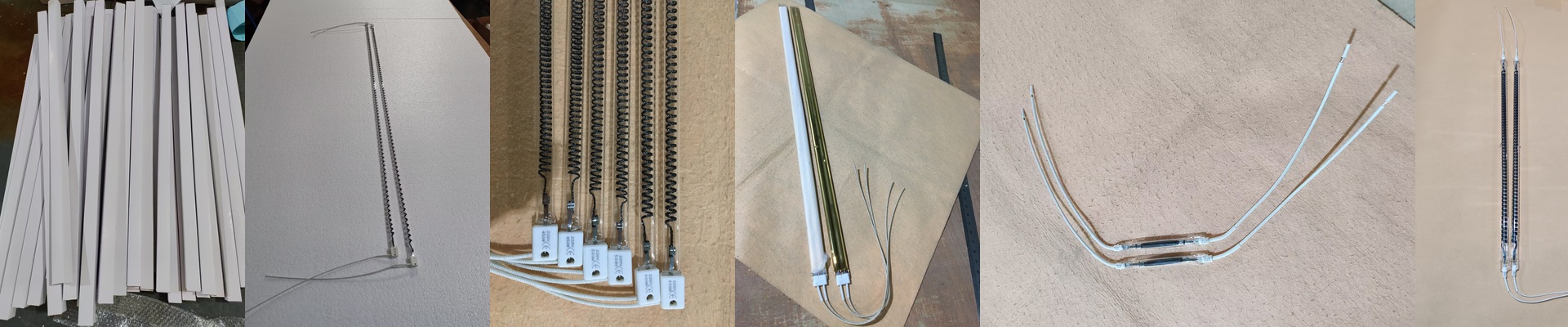
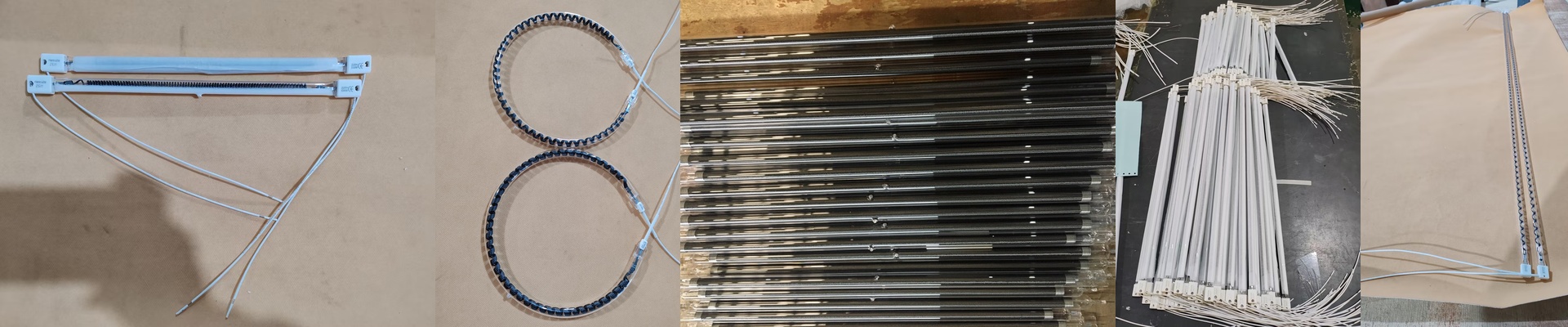
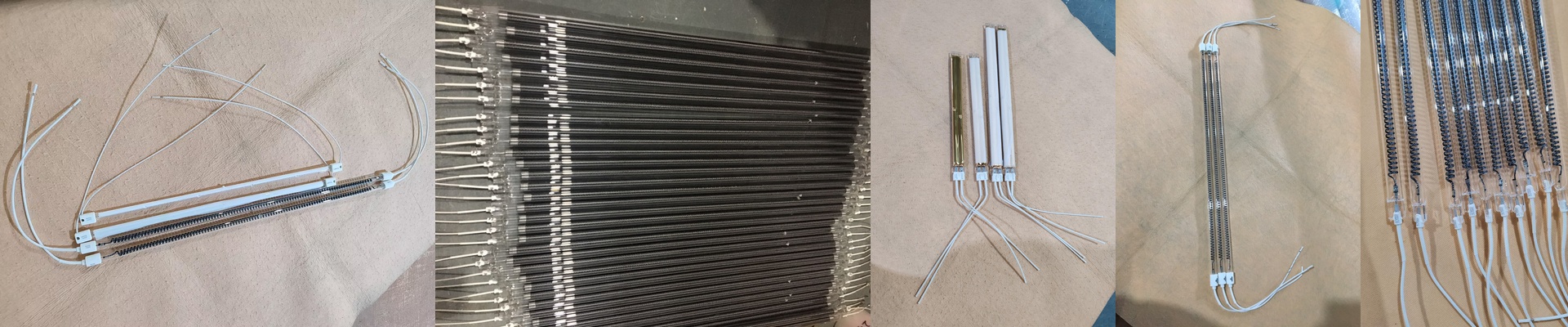
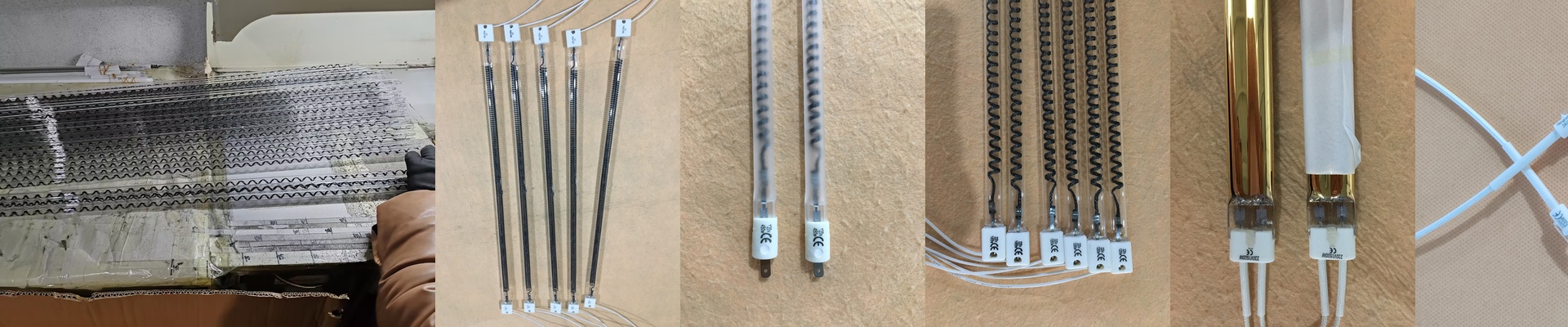
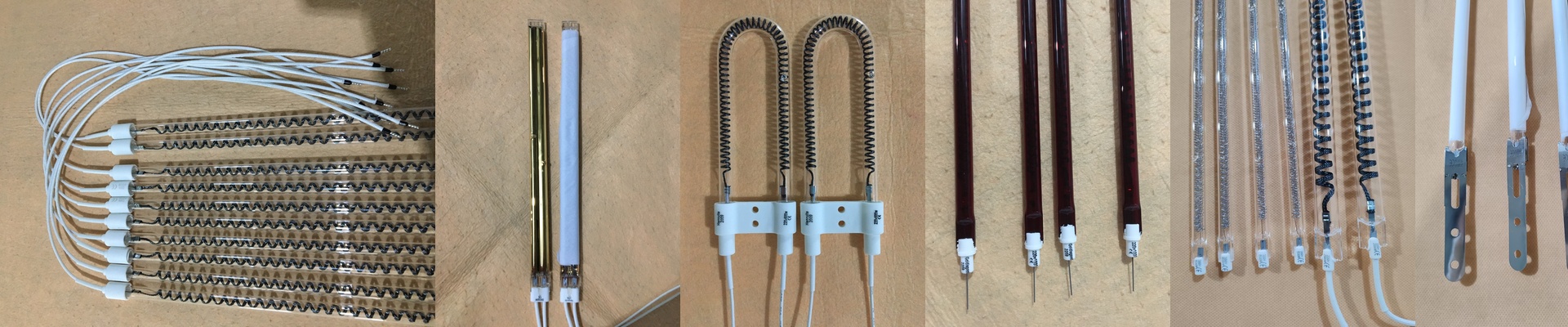
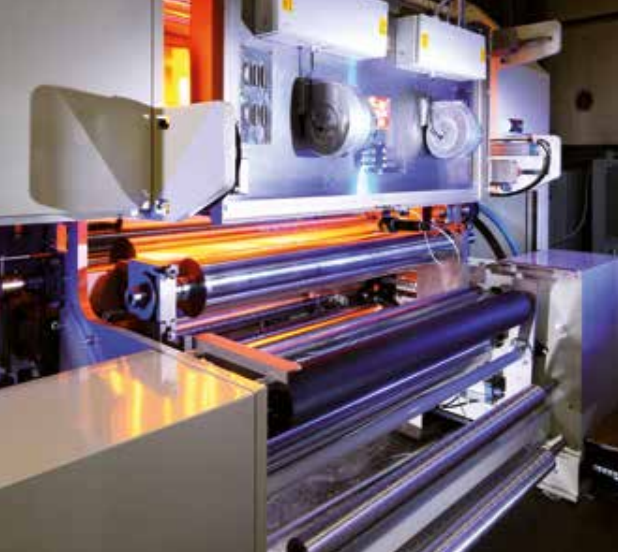
If you’ve ever worked with a long-distance tunnel furnace, you know the struggle. You’re fighting a constant war against thermal drop-off. Whether you’re running a Heidelberg SM74 or an Adelco line, the goal is the same: get high heat density across the whole run without blowing out your filaments every other week. Getting the power right When we build these IR lamps, we start with the footprint of your dryer. If you’re dealing with a long stretch, you need penetration. That’s why we lean on shortwave IR—it actually makes the jump across the air gap and hits the substrate where it counts. But here’s the thing: your voltage has to be spot on. If it’s off, you’ll end up with weird cold zones or, worse, a tube that pops the second you flip the switch. And resist the urge to just crank up the wattage to fix a cold spot. Do that, and you’ll likely bake your reflector housing. The build quality We use high-purity quartz glass because these lamps take a beating. They go from cold to screaming hot and back again, over and over. To keep them from failing, we center the filament perfectly. If it sags, you get “hot spots,” and that’s usually the beginning of the end for the lamp. Then there are the connectors. Nobody wants to spend four hours modifying a rack. We use standard industrial interfaces so these are just drop-in replacements. You plug them in, wire them up, and get back to work. Real-world trade-offs The real win here is stability. You get a steady thermal load, which means you can stop worrying about the “zebra effect”—those annoying uneven drying strips that ruin a batch. Just a heads-up, though. High-density IR puts out a lot of ambient heat. Your cooling and ventilation need to be up to the task. If the air isn’t moving, the quartz envelope will overheat, and you’ll be replacing your lamps way sooner than you want to.