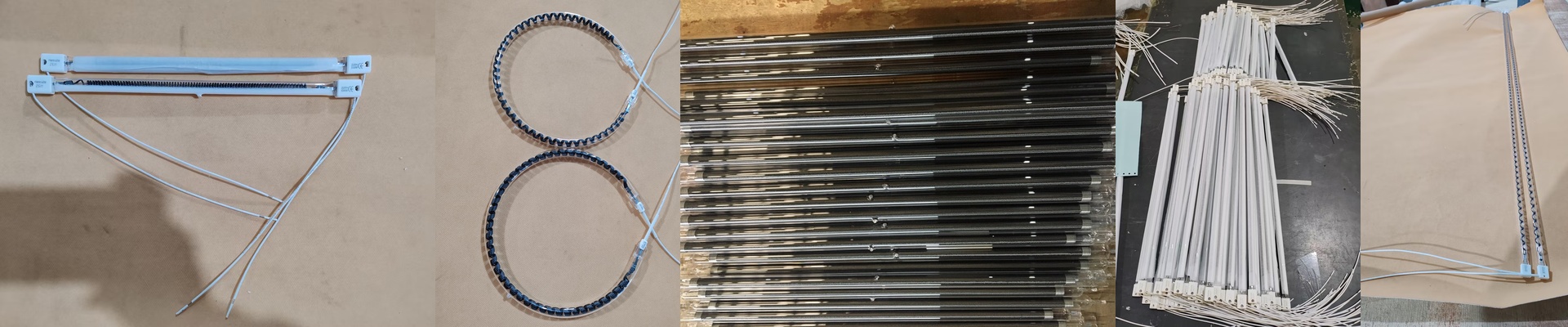
What Actually Goes Into Those Printer Fuser Lamps?
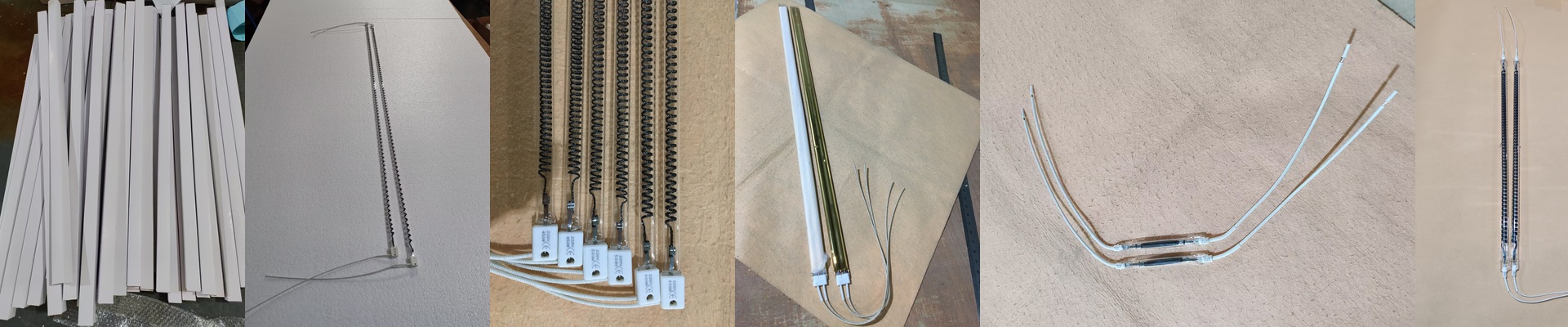
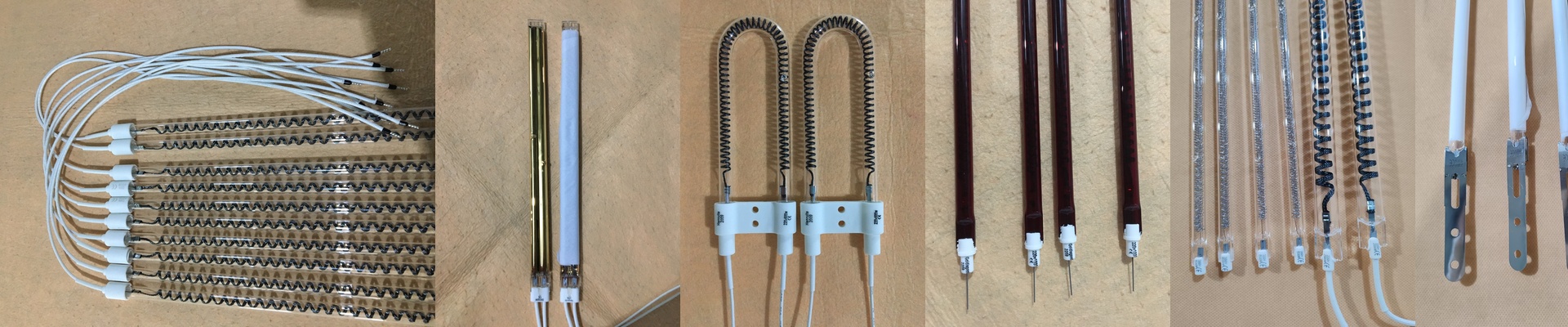
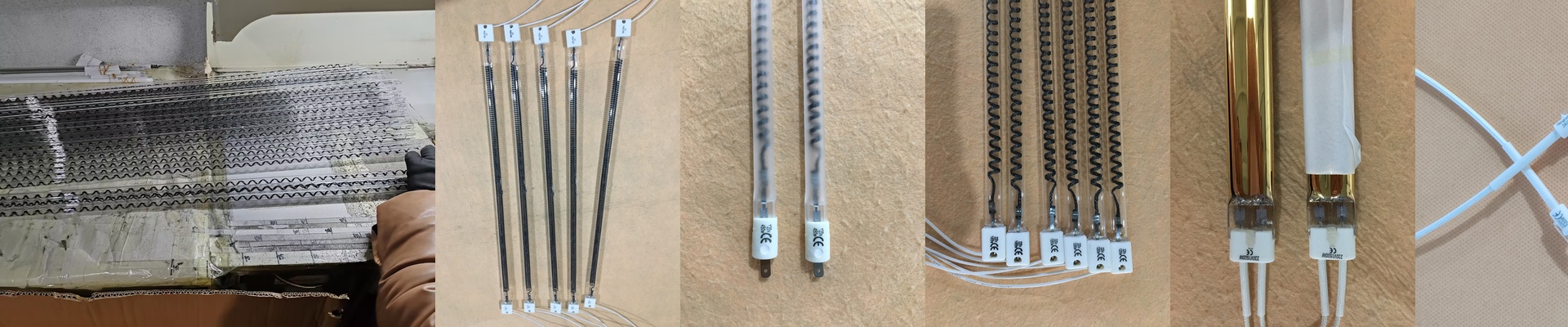
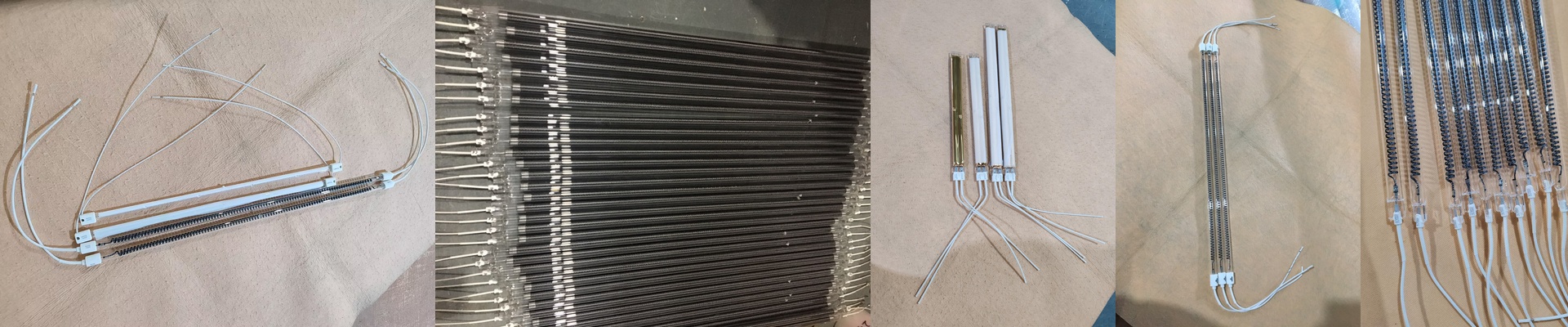
Here is a little secret: the big-name printer brands don’t actually make their own heat sources. They leave that to the people who live and breathe the physics of curing. That’s where we come in. We build the quartz lamps that do the heavy lifting inside the fuser, making sure the ink bonds perfectly to the page without accidentally burning a hole through it. It’s all about the punch. When you’re running a high-speed printer, you need a massive amount of heat in a tiny space. We’re talking 2000W to 3000W packed into a short tube. That’s how you get the IR intensity needed to cure ink instantly. But there’s a catch. Your voltage has to be spot on. If it’s off by even a hair, the lamp will either burn out way too fast or just won’t get hot enough to do its job. You’ve got to match the lamp’s electrical load to your power supply exactly, or you’re just asking for trouble. The nitty-gritty on materials We use high-purity quartz glass because it can handle the “thermal shock” of turning on and off rapidly. Some of our OEM projects even use special coatings. These shift the light spectrum so the heat hits the ink, not the rest of the machine’s frame. Then there are the connectors—things like R7s or SK15. They aren’t just a convenience. They create a gas-tight seal and a solid electrical connection. Why does that matter? Because at these power levels, a loose connection can cause “arcing.” That creates a hot spot that can literally melt your socket. Not a great look. Making it work in the real world These lamps are designed to drop right in. But remember, all that heat density comes with a trade-off. If you’re shoving a high-wattage tube into a tight fuser, your cooling fans and heat sinks need to be up to the task. If the airflow is blocked or weak, the quartz envelope will overheat and pop. We build the lamps to the exact specs you need, but how long they actually last depends on how well your system breathes.