Getting More Out of Your Anatol Printer Without Breaking the Bank
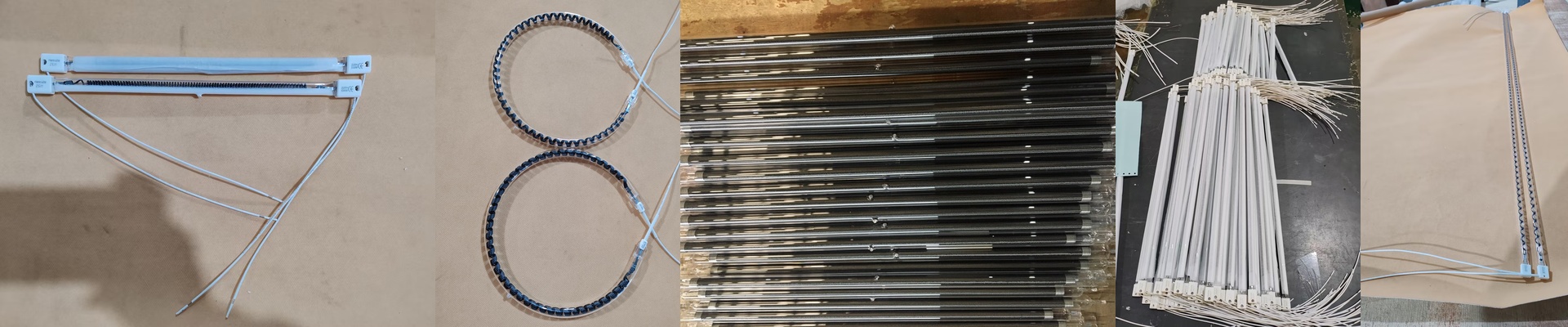
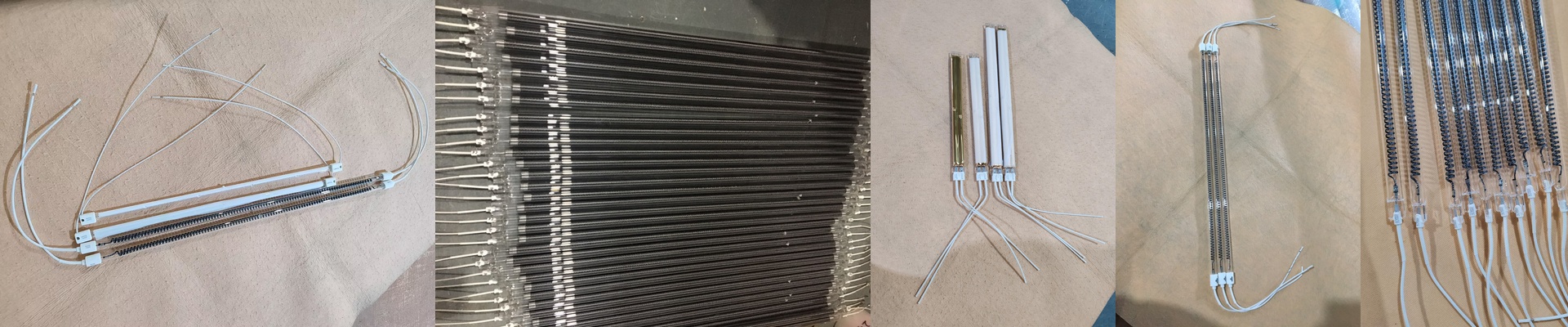
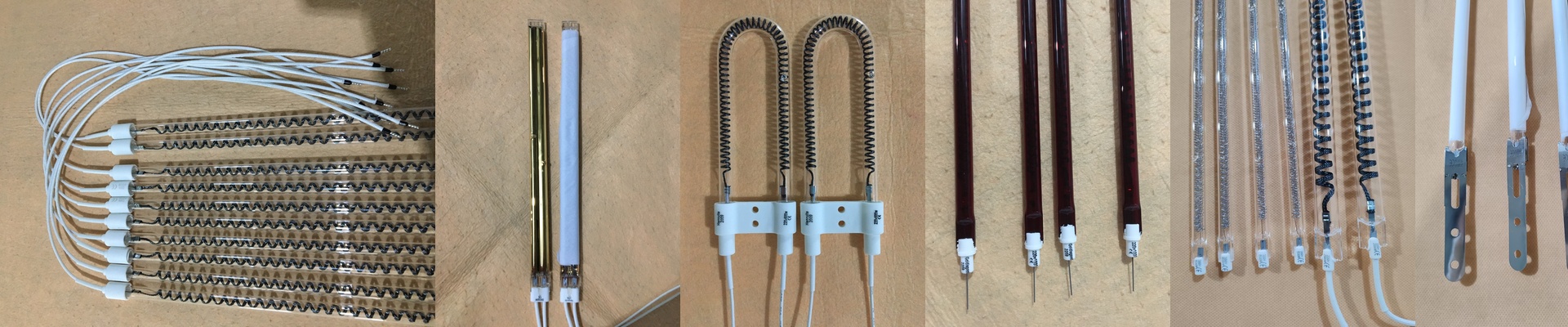
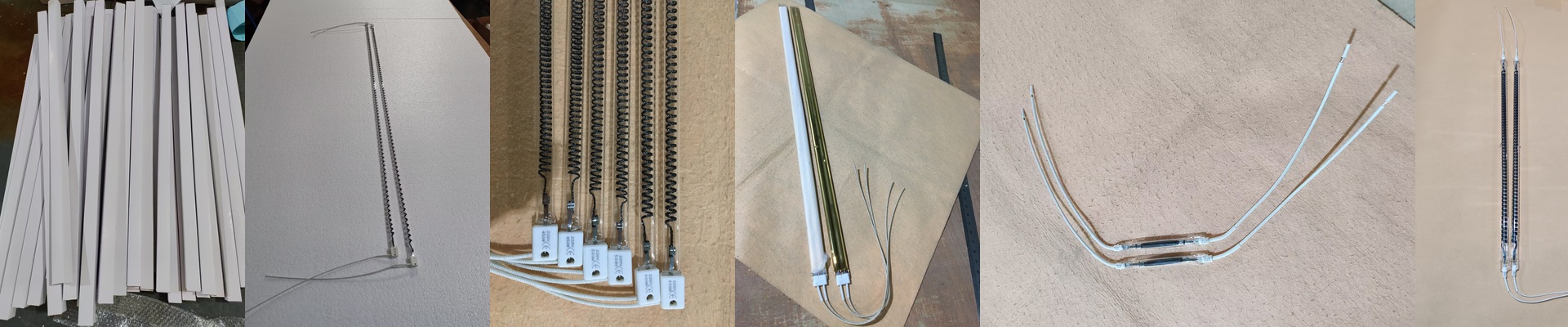
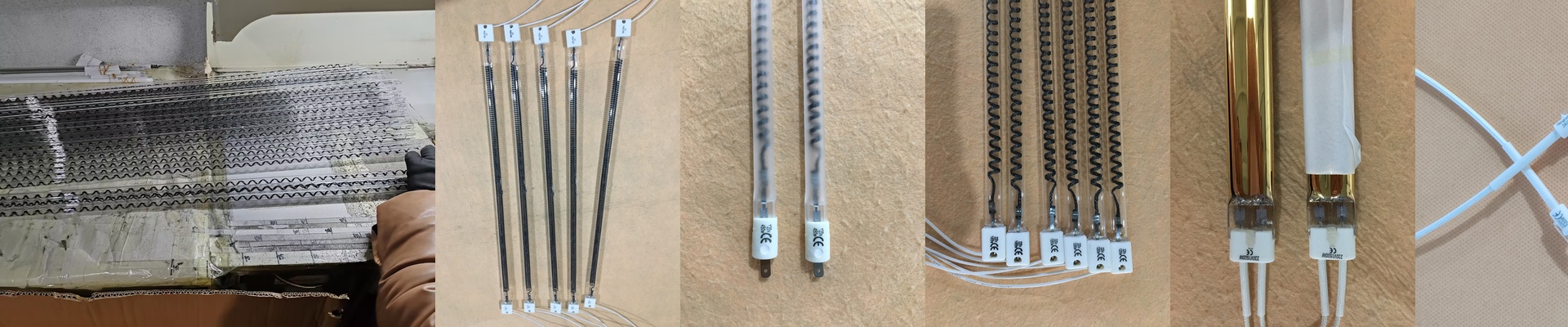
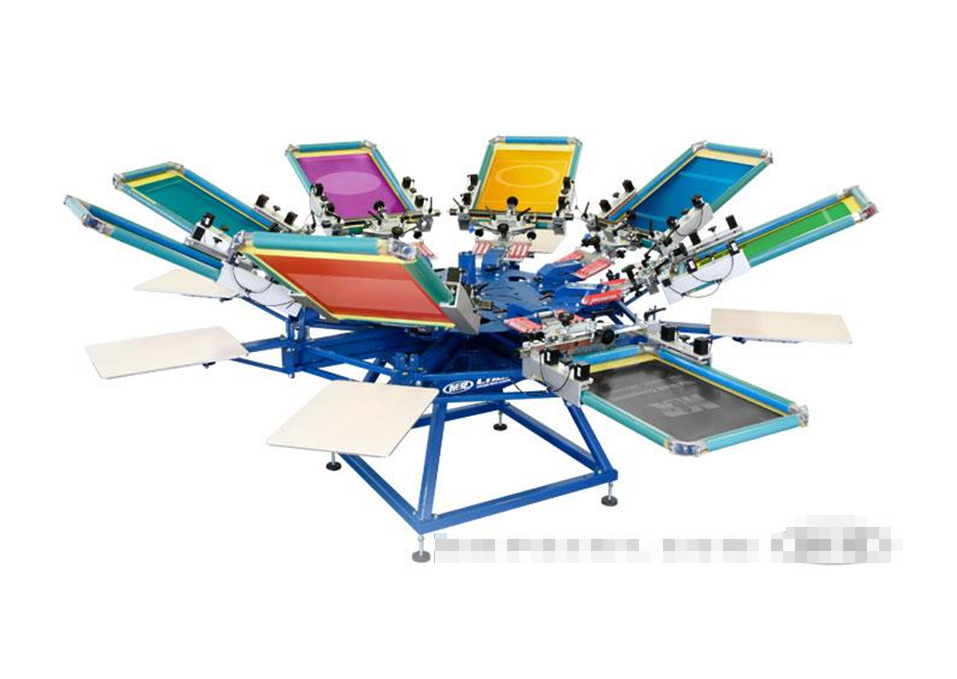
If you’ve spent any time with an Anatol printer, you know the struggle. You need the ink to cure perfectly—not under-baked, but definitely not scorched. Usually, that means paying a premium for OEM lamps just to get the heat right. But here’s a little secret: you don’t actually have to spend that kind of money. You can get the same punch using high-output domestic IR tubes. It’s all about the heat flux. To get the same results as the expensive stuff, you just have to look at the wattage-to-length ratio. If you use a high-wattage quartz tube, you can keep your belt moving fast while still making sure the ink hits that sweet spot for polymerization. One heads-up, though. If you crank up the wattage to push more product through, double-check your power supply. You don’t want to overload the circuit and fry your components. We usually tweak the voltage to make sure the filament is humming right at its peak. The gear inside matters. We stick with high-purity quartz glass. Why? Because these lamps cycle on and off fast, and cheap glass just can’t handle that kind of thermal shock. Most of these use R7s or special end-caps, so they just slide right in. Some of these tubes even have a coated quartz layer. It’s a neat trick that pushes the heat deeper into the ink rather than just searing the top. It stops those annoying surface bubbles from popping up and ruining a print. The trade-offs (and how to handle them). Switching to these lamps is a win for your wallet, and the cure quality stays exactly where it needs to be. You’re getting the same heat density in the same space. But there is a catch. More heat puts more stress on your reflectors. You’ve got to keep your gold or aluminum reflectors spotless. If they get pitted or oxidized, the IR energy bounces right back into the tube. That’s a one-way ticket to a shorter lamp lifespan. And for peace of mind? Hook it up to a PID controller. It keeps the temperature steady so you don’t accidentally overshoot and toast your substrate.