Making the MS JP4 Lamp Work for Just About Any Textile Printer
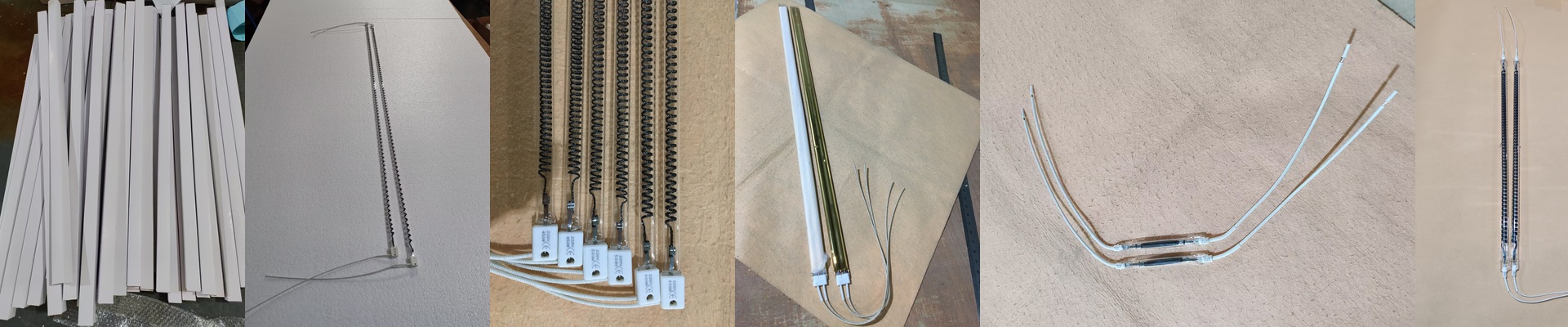
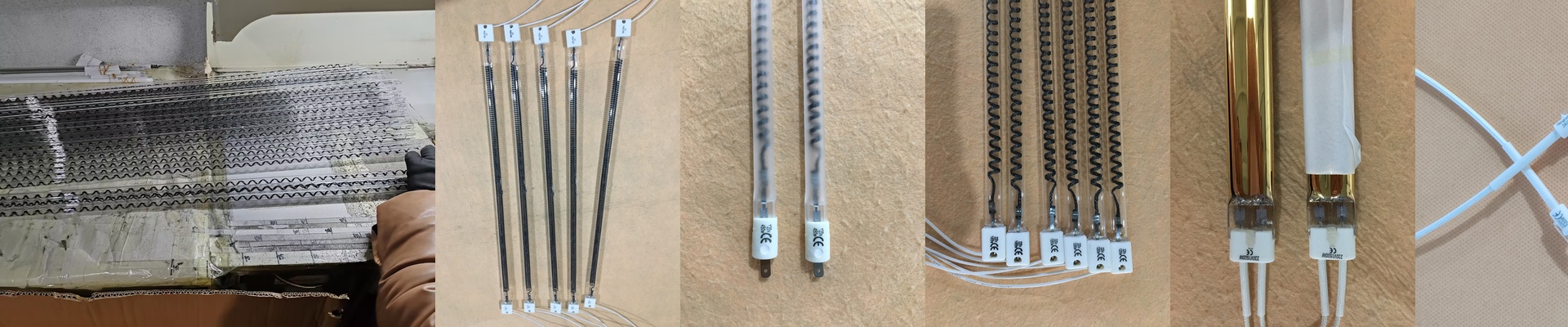
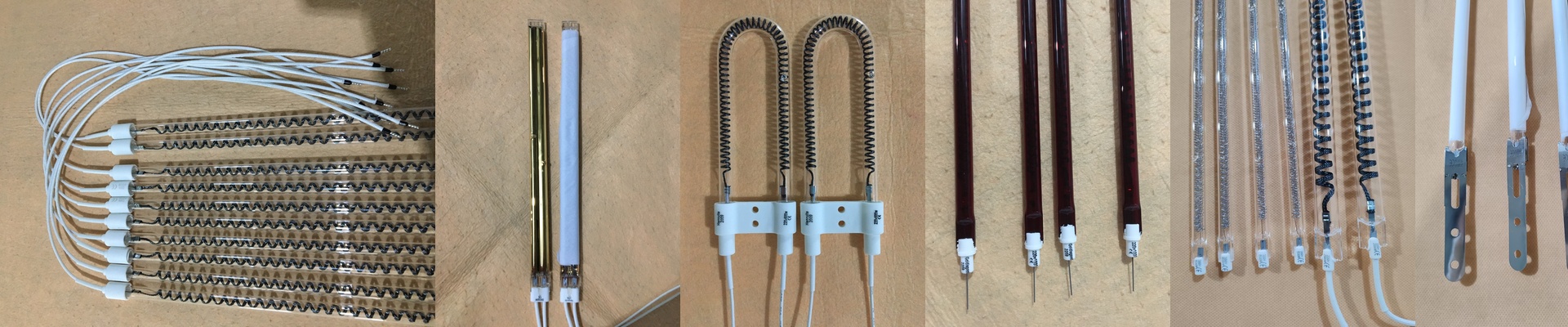
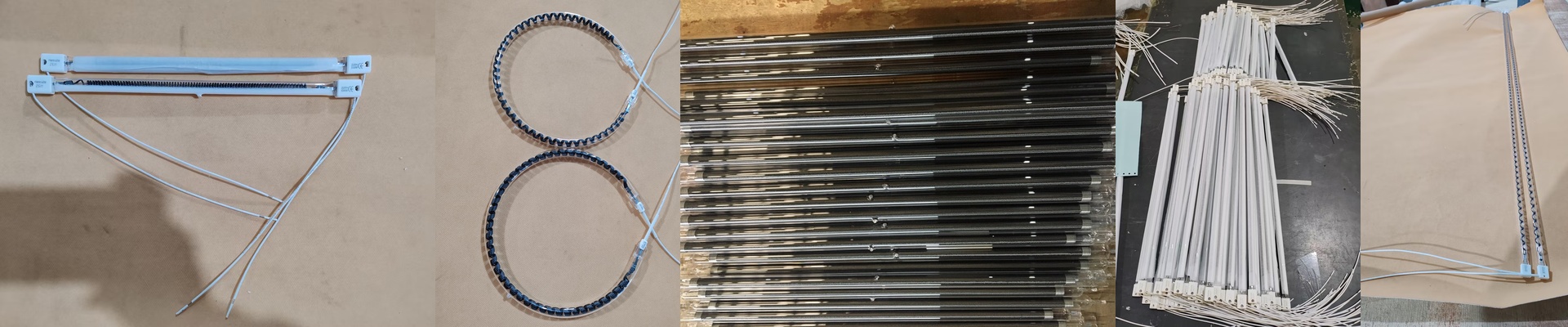
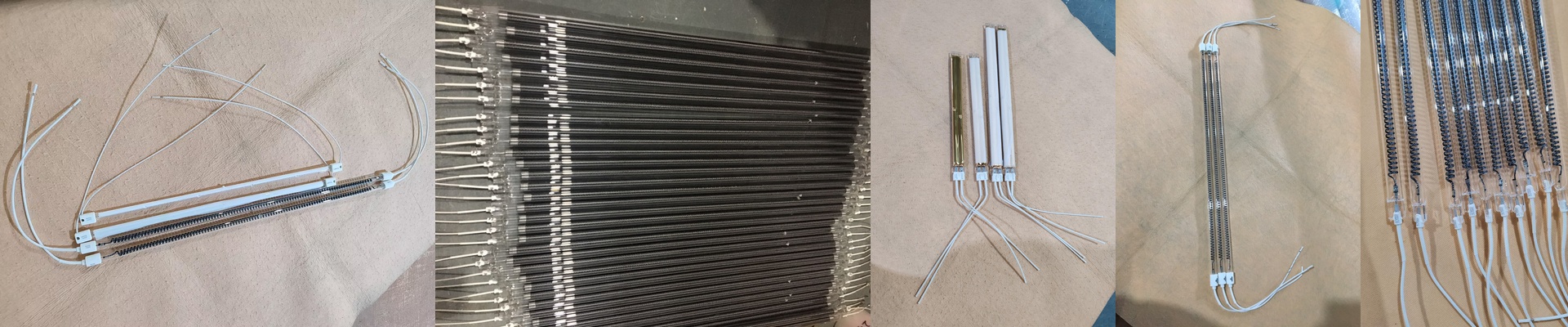
Let’s be honest: hunting for the right replacement lamp for a textile printer is usually a headache. You’ve got five or six different global brands, and they all seem to have their own quirky requirements. That’s exactly why we built the MS JP4. We wanted a “drop-in” solution—something you can just slide in and forget about, regardless of which machine you’re running. Because in this business, if your heat isn’t consistent, your ink won’t bond. And if the ink doesn’t bond, you’ve got a problem. The nitty-gritty on power We spent a lot of time tweaking the filament thickness and length. Why? Because we wanted the heat density to match your conveyor speed perfectly. We use high-voltage setups to cram more power into a smaller tube, which is great for performance. Just a heads-up: make sure your power supply can handle that initial surge when you flip the switch. You don’t want to be staring at a blown fuse right when you’re trying to start a big run. Built to take the heat Heat is brutal on equipment. To stop the tubes from warping, we use high-purity quartz glass. Inside, we’ve created a vacuum (or used halogen fill) so the tungsten doesn’t just burn out and leave you stranded. As for the setup? It’s simple. We stuck with standard connectors like R7s or SK15. You won’t have to pull out the toolkit to modify your chassis or mess around with the control board. It just fits. A few things to keep in mind The best part about the MS JP4 is that you don’t need a different lamp for every machine in the shop. One spec covers the lot. But here’s the thing: when you push that much wattage through a compact tube, the glass gets incredibly hot. Take a second to check your cooling fans and give your reflectors a good clean. If those reflectors are dirty or pitted, the heat won’t hit the fabric straight on. That’s how you end up with those annoying uneven curing patterns. Keep it clean, keep the air moving, and you’re good to go.