Why “Generic” Spares Usually Fail (And Why Our Lamps Don’t)
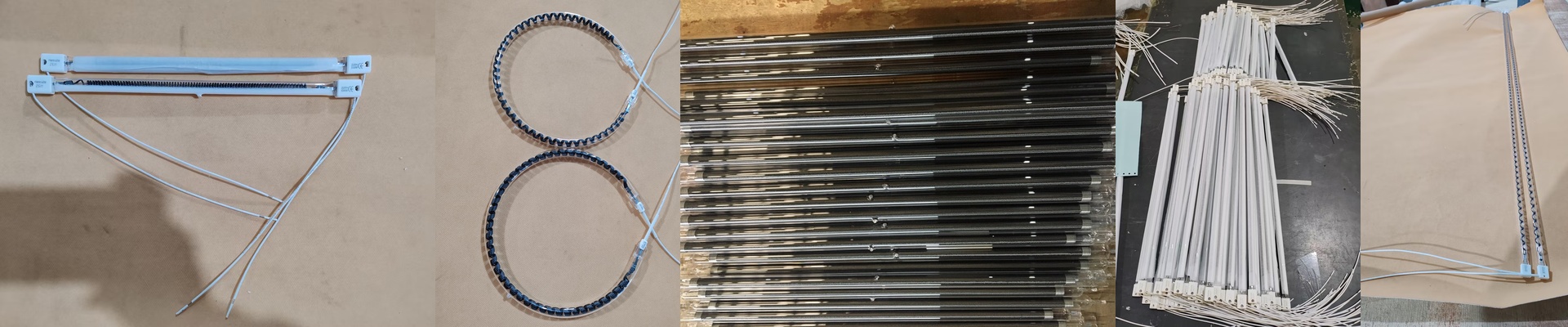
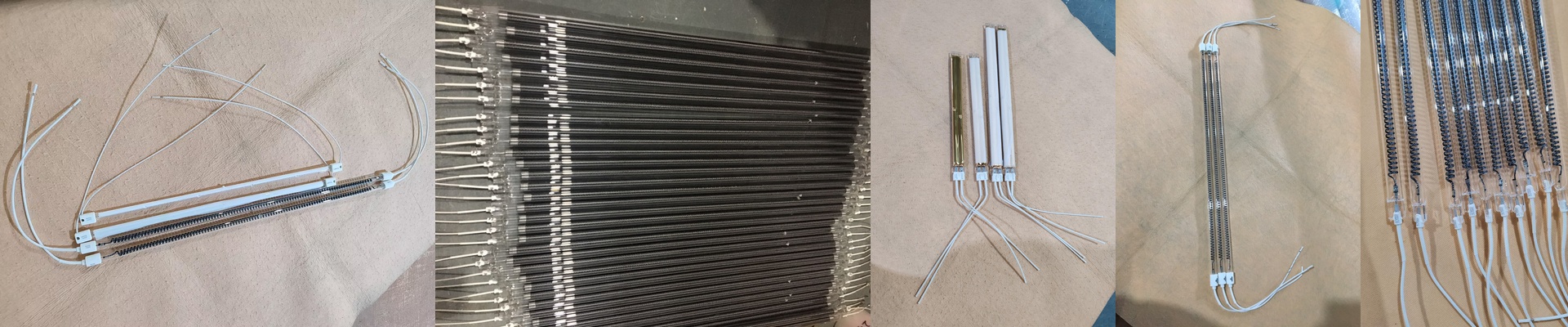
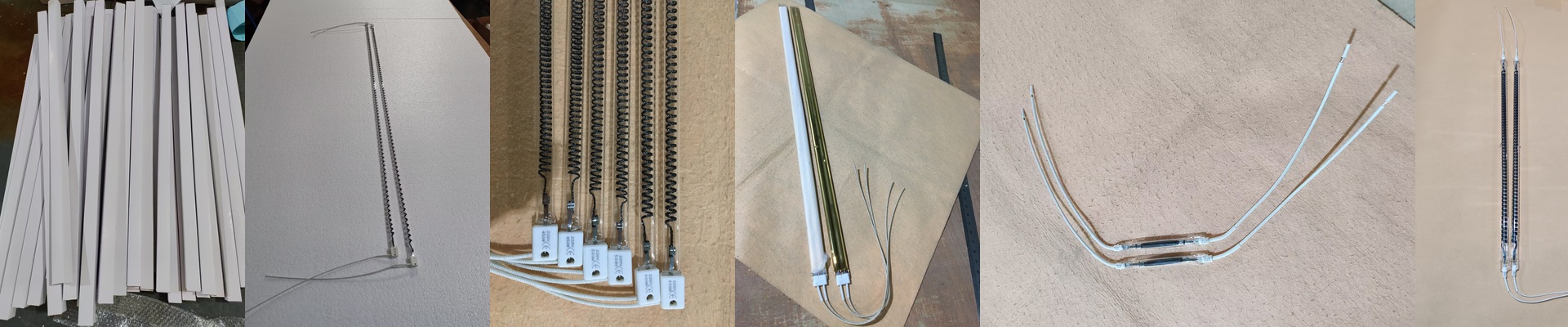
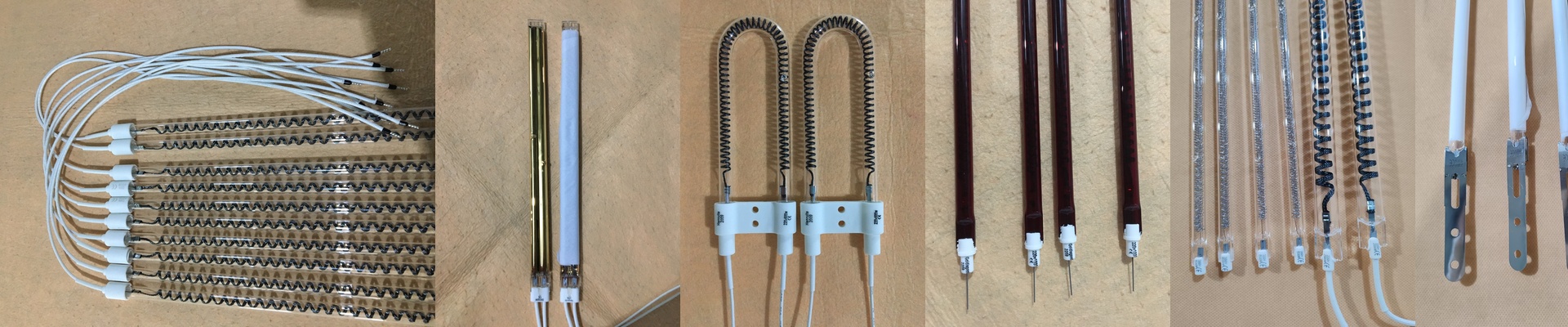
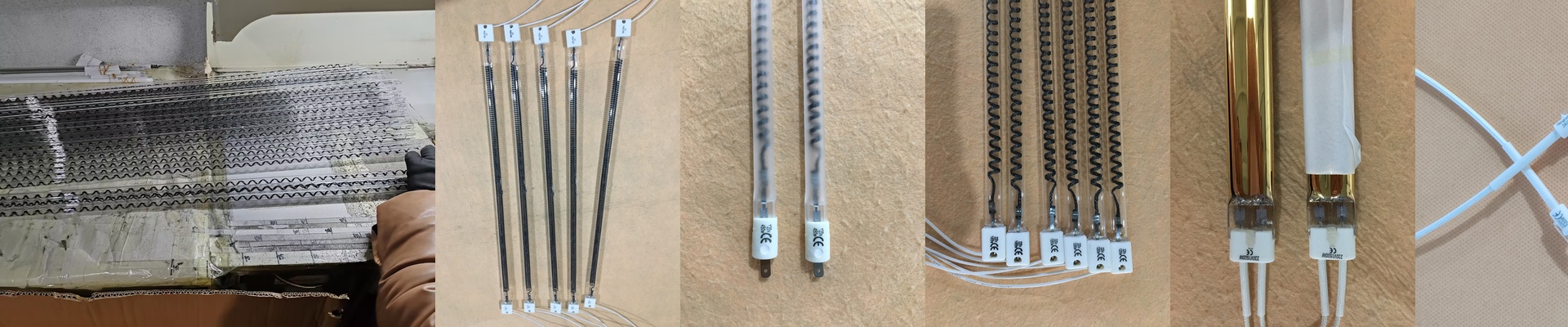
Let’s be honest: most of the heating spares you find online are just generic tubes. They look the part, but they aren’t built for the grind. We do things differently. We actually supply the big-name brands, so our infrared lamps are built to the exact same tight specs as the ones that come in the box with your machine. When you buy from us, you aren’t just grabbing a piece of glass—you’re getting a part designed to survive an industrial workload.
Getting the heat where it belongs
It’s all about heat density. We tune our lamps to hit specific wattage and voltage targets so your machine ramps up fast. The goal is to blast energy right onto the build plate or extruder head without turning your entire machine chassis into an oven. Now, if you push a 230V lamp to the limit, you’ll get heat fast—but you’re playing with fire regarding your filament. You’ve got to balance that wattage with your PID tuning, or you’ll end up with a nasty overshoot.
No cloudy glass, no fried sockets
Cheap lamps use low-grade glass. After a few hundred hours, they start to cloud over and lose their punch. We use high-purity quartz to stop that from happening. We also stick to R7s and Sk15 connectors. Why? Because they just work. They slide right in and stay put. That’s huge, because a loose connection creates an arc, and an arc will fry your socket before you even realize what happened.
The real-world test
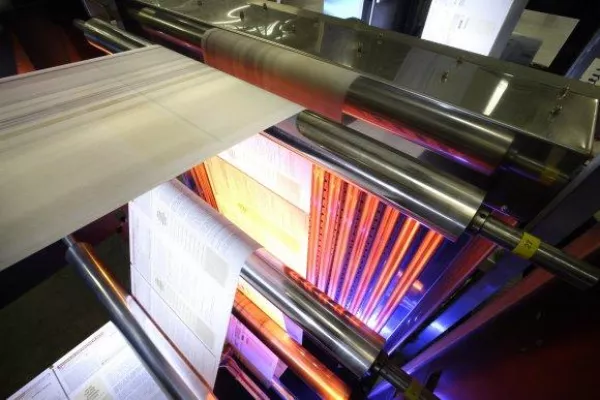
These lamps live for the extremes. Whether it’s high-temp 3D printing or PET blowing, they can handle the shock of jumping from room temperature to 300°C over and over again. Just a heads-up: these things put out a massive amount of radiant heat. If your printer’s housing isn’t vented or shielded properly, you’re going to warp your plastic frame. We build the lamps to be powerful, but you’ve got to make sure your cooling fans can keep up with the ambient load.