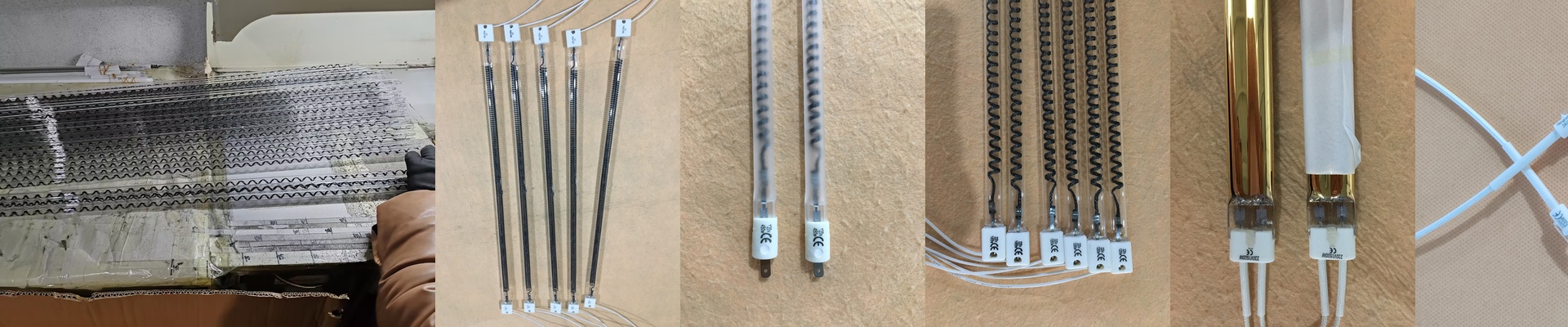

Getting Your Adelco Tunnel Ovens to Actually Stay Hot
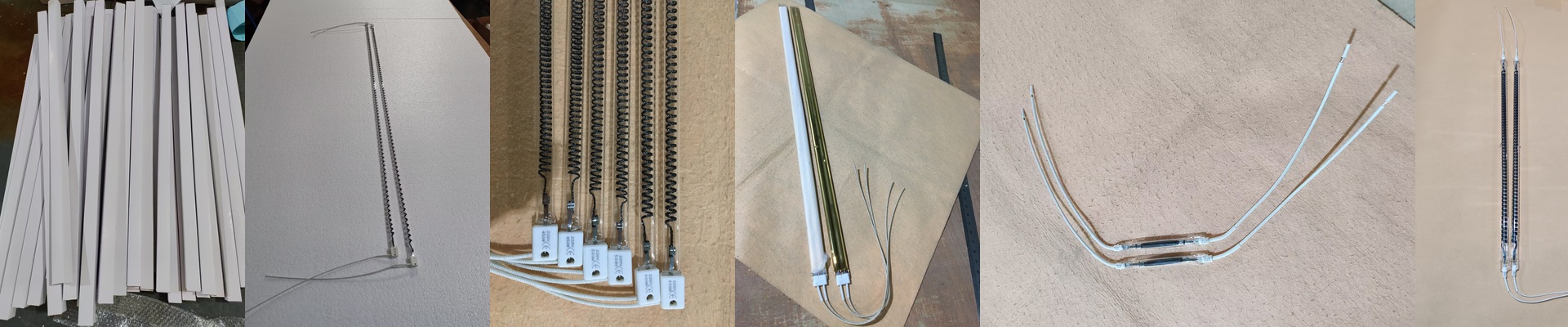
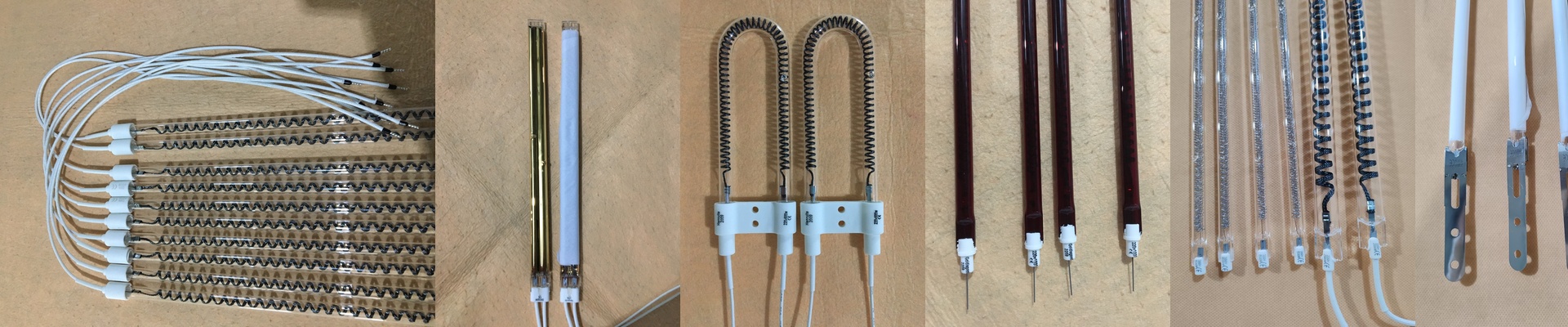
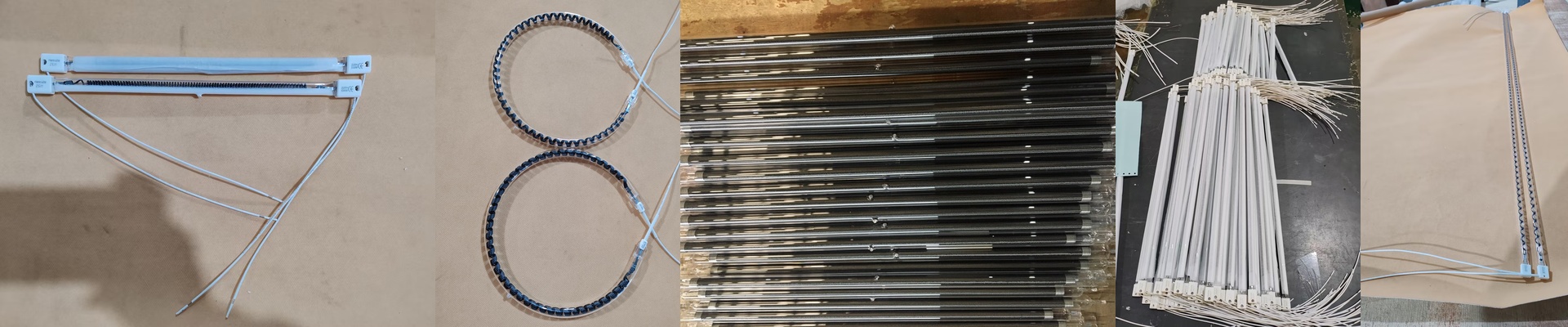
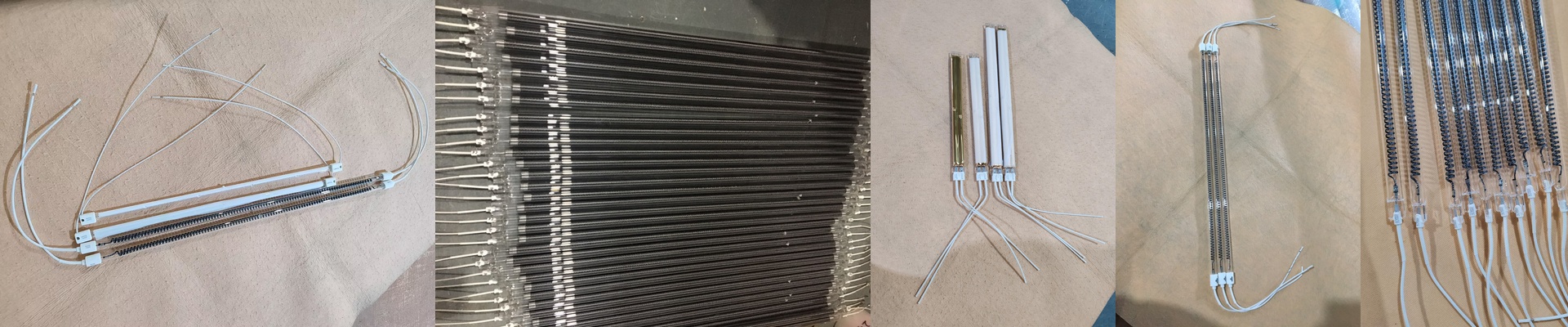
Keeping a long tunnel oven at the same temperature from start to finish is a bit of a nightmare. You’re basically fighting a constant war against heat loss and voltage drops. That’s why we set up our infrared lamps the way we do. We’ve tweaked the configurations specifically for Adelco tunnels so they can handle heavy loads over long distances without just popping and burning out. The struggle with long-distance heat Here’s the thing: thermal uniformity is the hardest part. If your wattage is too low, you get those annoying cold spots. Too high? You’re scorching your materials. We spend a lot of time balancing the voltage and wattage so the heat stays flat. By matching the lamp’s electrical footprint to the Adelco power rail, the heat doesn’t jump around while you’re running 24/7. It just stays steady. The gear inside We use high-purity quartz glass for the tungsten filaments. It has to be this tough because industrial drying tunnels go through some brutal thermal cycling. And we made the connectors simple. They’re drop-in replacements. You won’t have to spend your weekend rewiring racks just to get these things running. We also stick with short-wave IR. It digs into the material much faster, which means your stuff spends less time sitting in the oven. One thing to watch out for These high-density lamps put out a ton of heat, but that puts a real strain on your ventilation. You’ve got to make sure your exhaust fans are actually strong enough to pull that ambient heat away from the housings. If the airflow stalls, the housings overheat, and your lamps won’t last nearly as long. But once you’ve got the airflow sorted? These things are tanks. In a world where a 5-degree swing can ruin a whole batch, these give you the stability you need. Just hook them up to a solid power source and let them take a beating.