Getting Your Flash Dryer Heating Right
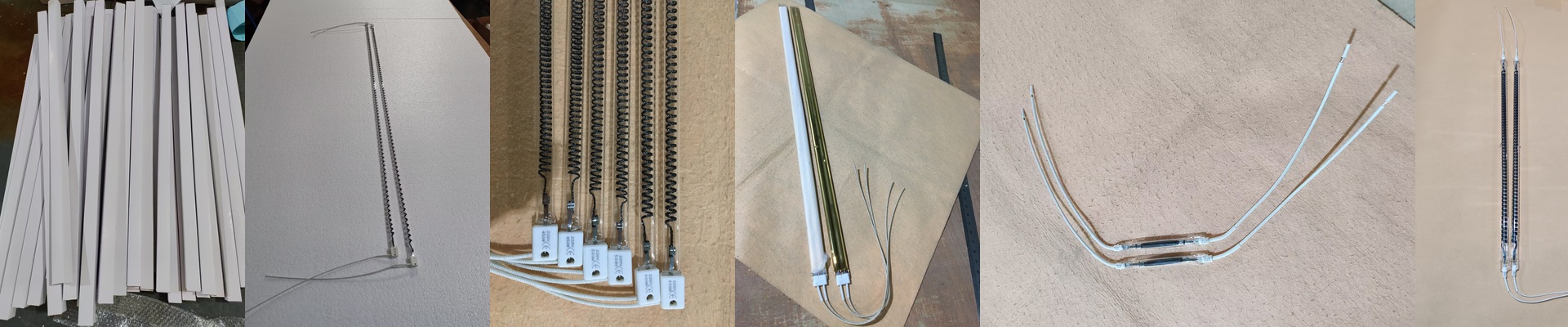
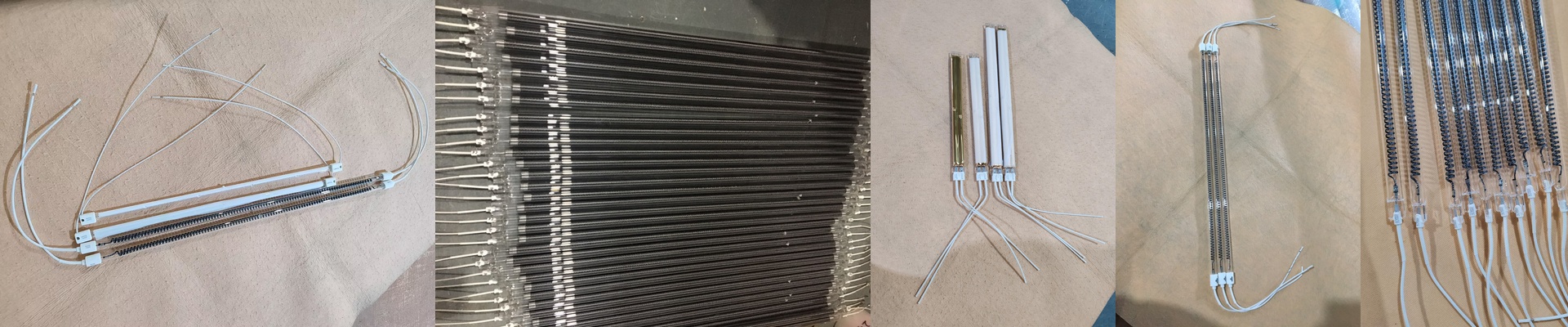
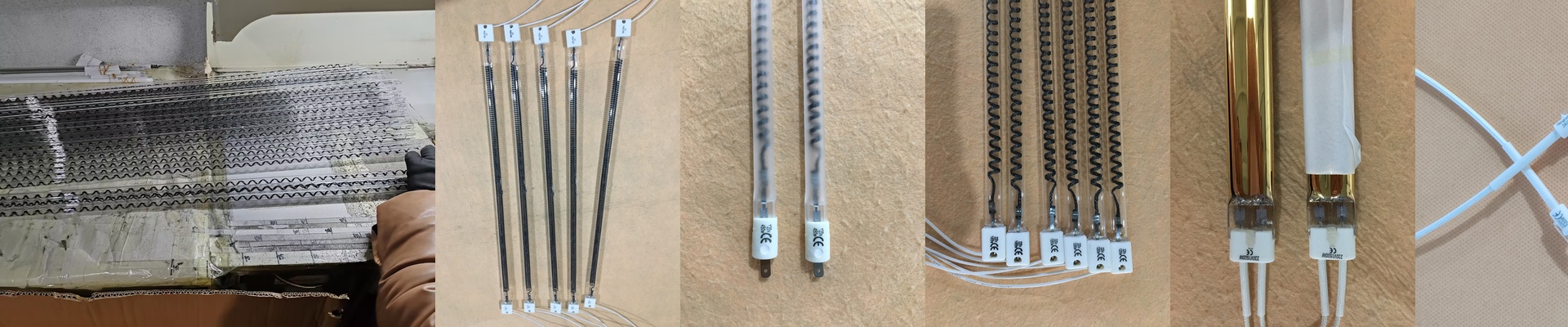
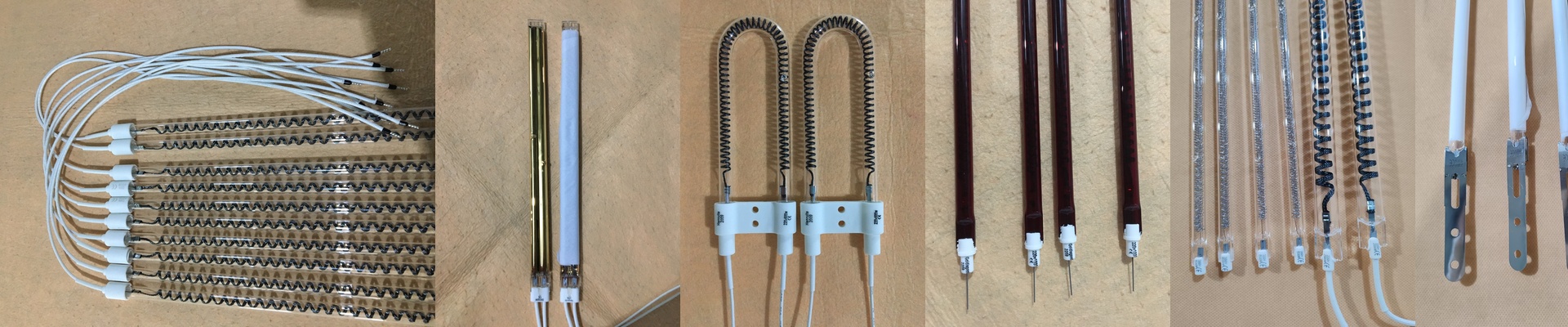
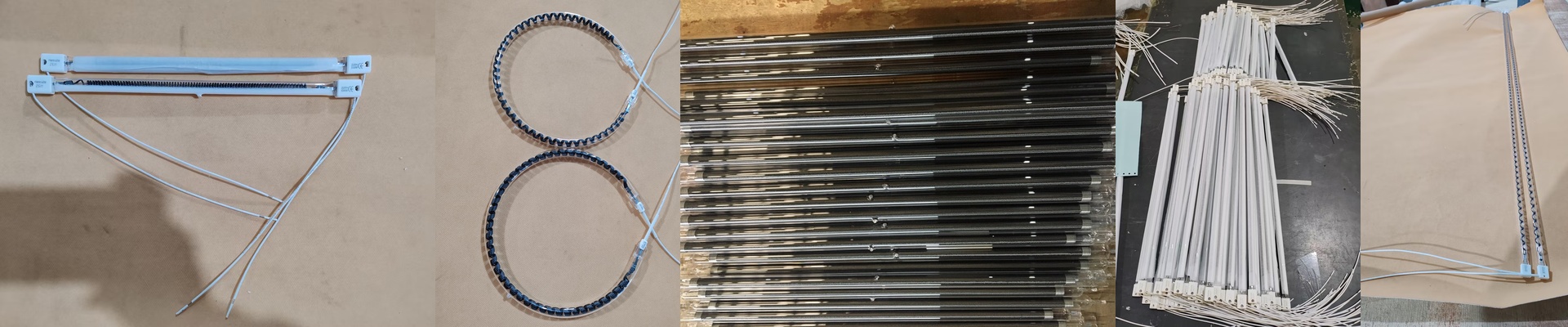
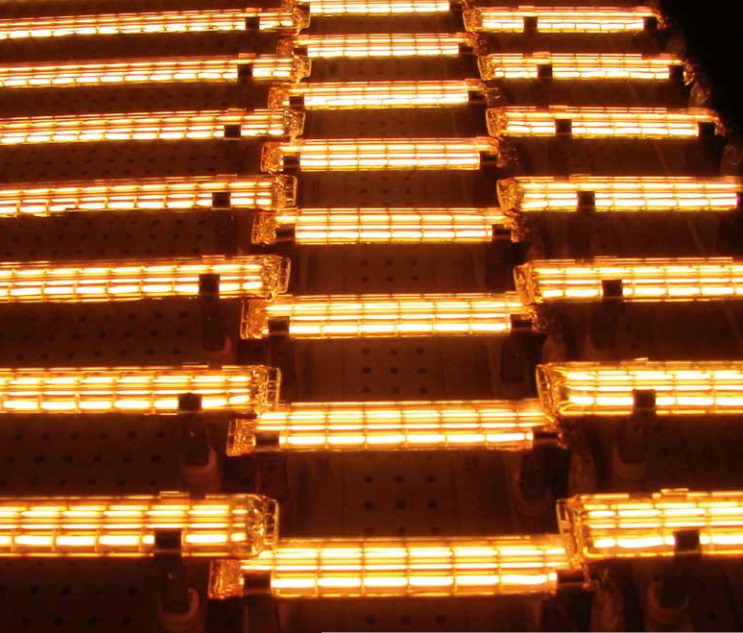
Manual flash dryers are all about speed. You’ve got a tiny window of time to rip the moisture out of your material before it moves on, and if your heating elements can’t keep up, the whole process falls apart. We build our infrared elements to take that kind of heat without giving up the ghost. Since we act as an OEM for some of the biggest global brands, you’re getting the exact same materials and internal specs that go into those high-end machines. No watered-down versions here. The Power Side of Things It really comes down to power density. We pack a lot of wattage into a short tube so your substrate hits the right temperature the second it hits the light. We also lean toward higher voltages. Why? It keeps the current draw low. That means you can use thinner wiring without worrying about voltage drops, which keeps your setup compact and clean. Quartz, Halogen, and the Little Things We use high-purity quartz glass because standard glass just can’t handle the shock of being switched on and off rapidly. It would crack. Depending on what you’re drying, we can add specialized coatings to the glass. This basically tunes the light to match exactly what your material needs to absorb. It’s the difference between “hot” and “efficient.” Then there are the connectors—usually R7s or Sk15. We obsess over the fit here. If a connection is even slightly loose, you get a hot spot. And a hot spot will melt your housing or fry your socket in no time. We keep the tolerances tight so you can plug them in and actually forget about them. One Thing to Keep in Mind Here’s the catch: these tubes put out a massive amount of heat. If your ventilation isn’t pulling that ambient air away from the housing, you’re going to kill the life of the element. Make sure your exhaust is up to the task. These are drop-in replacements for most industrial dryers. You’re getting the same raw filaments and quartz as the big-name brands, just without the corporate markup. Just honest physics doing the heavy lifting.