Making Infrared Lamps That Actually Fit Your Press
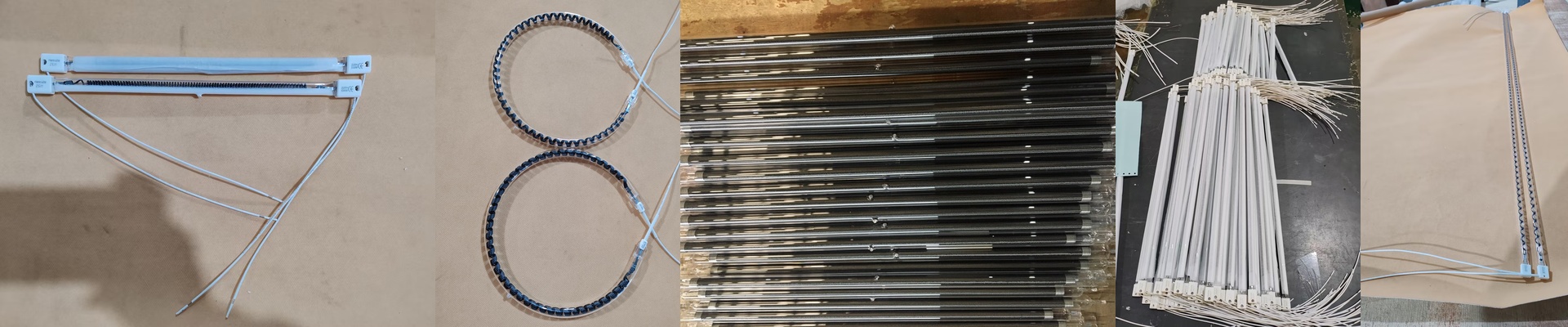
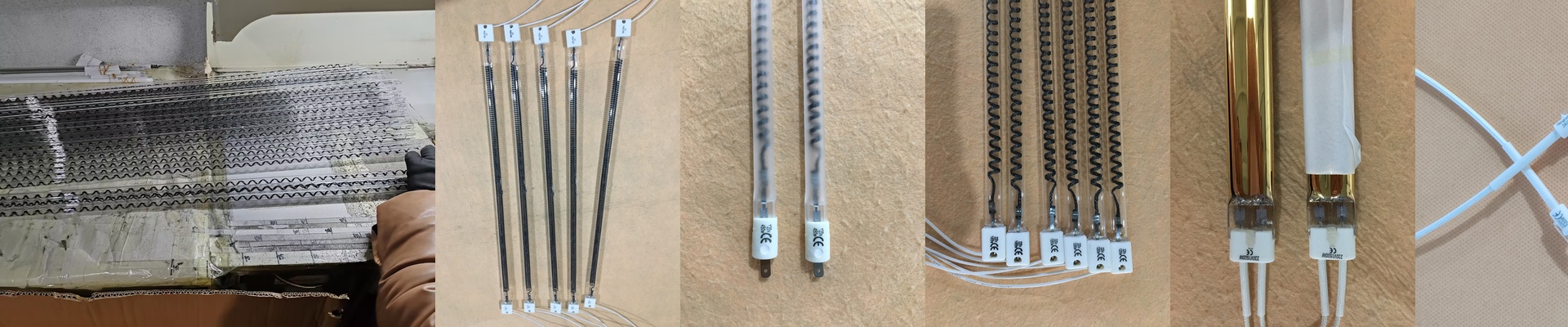
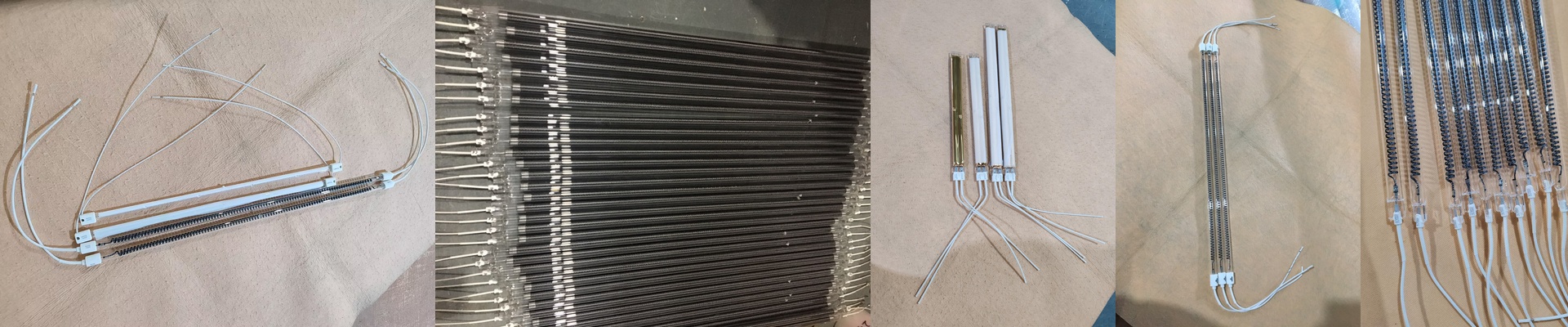
We design our IR lamps to be simple drop-in replacements for the five biggest printing press brands on the planet. But here’s the thing: we don’t believe in “one size fits all.” That’s a recipe for disaster in a print shop. Instead, we obsess over the electrical footprint and heat output so our lamps behave exactly like the ones that came with your machine.
Getting the fit right
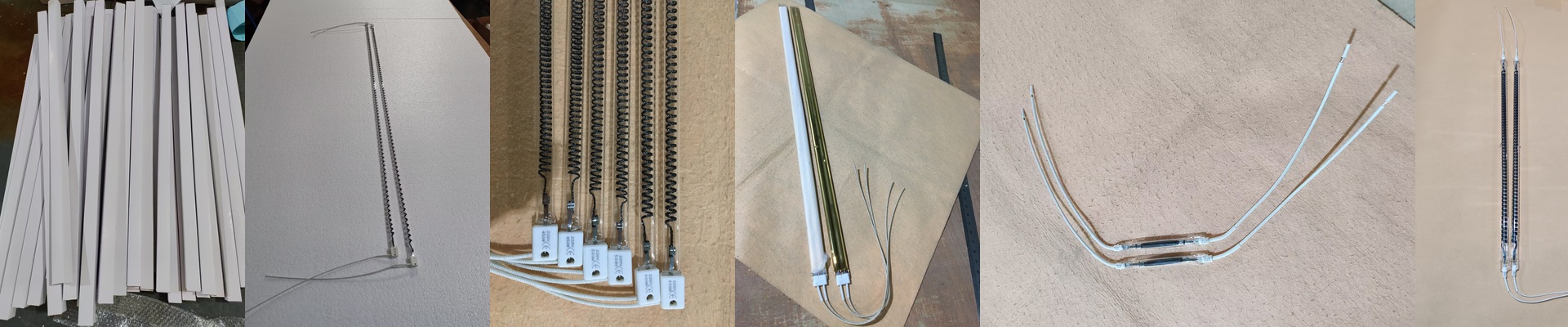
When you’re swapping out lamps across different brands, it all comes down to the basics: voltage, wattage, and length. Most high-output presses need shortwave IR to flash-dry ink without burning the paper. We measure our tubes down to the millimeter. Why? Because if a lamp is off by even 2mm, it won’t sit right in the reflector. That leads to hot spots, uneven drying, and a lamp that burns out way sooner than it should. It’s a small detail, but it’s the difference between a smooth run and a headache.
The guts of the lamp
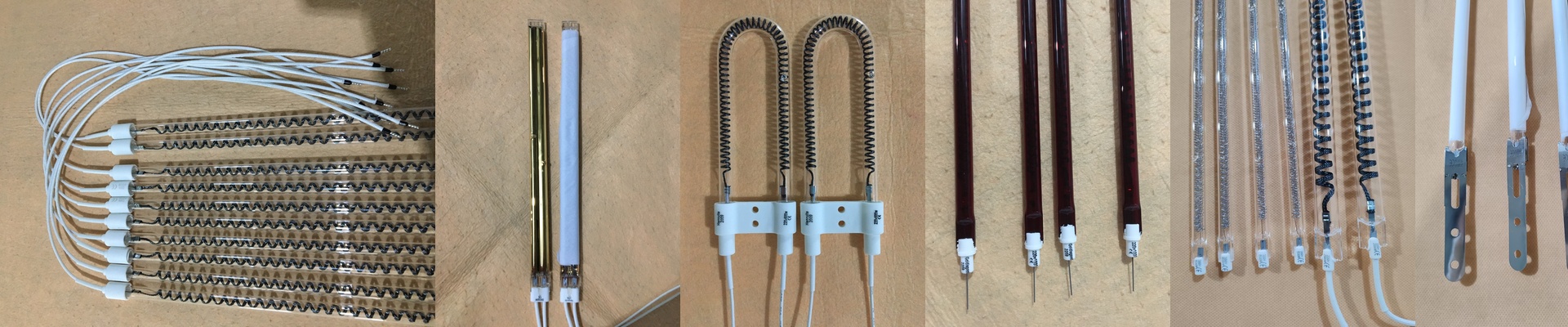
We use high-purity quartz and halogen gas to get that intense heat density you need. But let’s talk about the connectors—the R7s or SK15 types. In my experience, these are usually where things go wrong. A loose connection creates an arc, and before you know it, you’ve melted your socket. We use reinforced contact points to make sure the fit is tight and secure. Depending on your ink, we can do different coatings. Just a heads-up: shortwave is great for speed, but it pulls a lot of power. Double-check that your wiring can handle the amperage before you crank it up.
Putting it all together
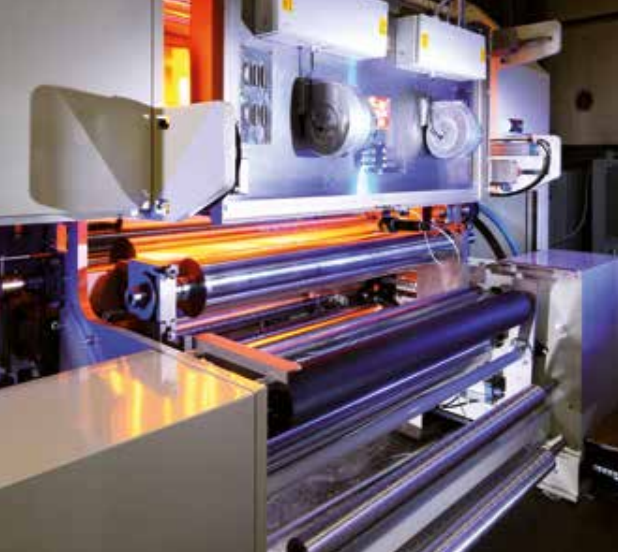
The goal here is simple. You pull the old tube out, pop ours in, and get back to work. No custom brackets, no rewiring, no fuss. One thing to keep in mind: if you decide to push for higher wattage to speed up your production, you’re adding more heat to the press frame. Just make sure your cooling fans can keep up. If they can’t shed that extra heat, you risk warping your conveyor belt, and nobody wants to deal with that.