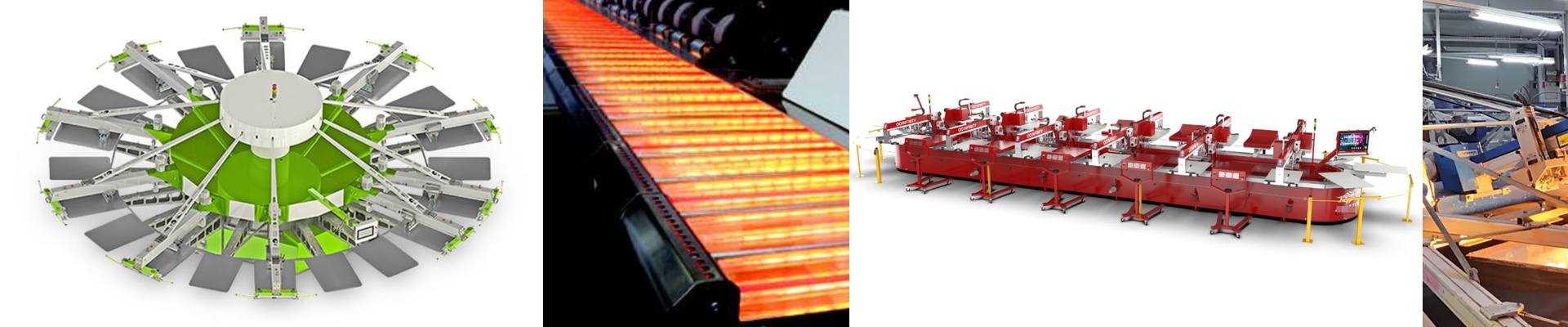
Let’s Talk About Finding the Right Flash Lamps for Your M&R Setup
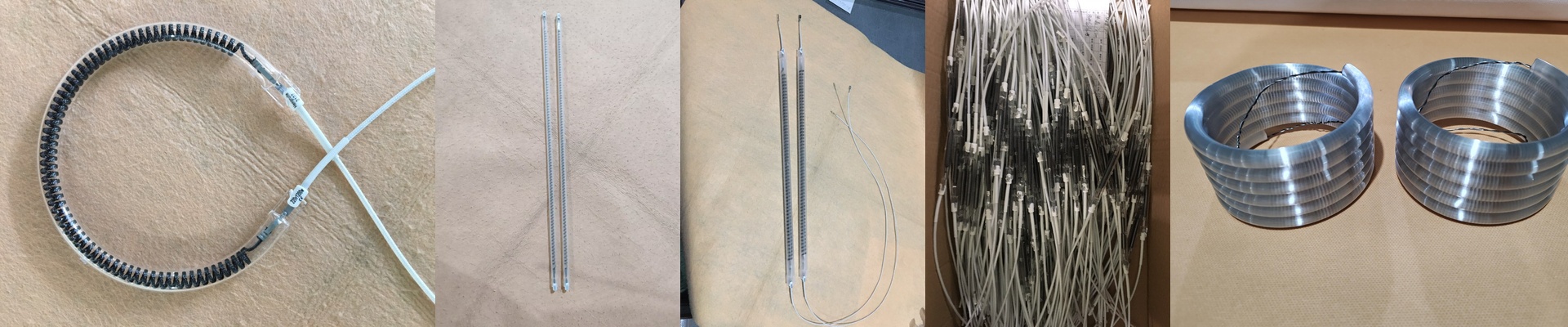
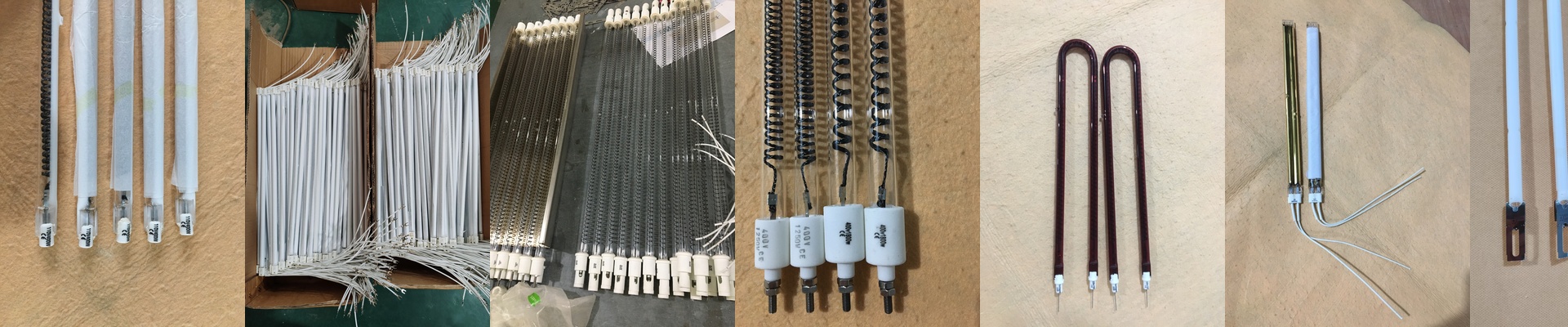
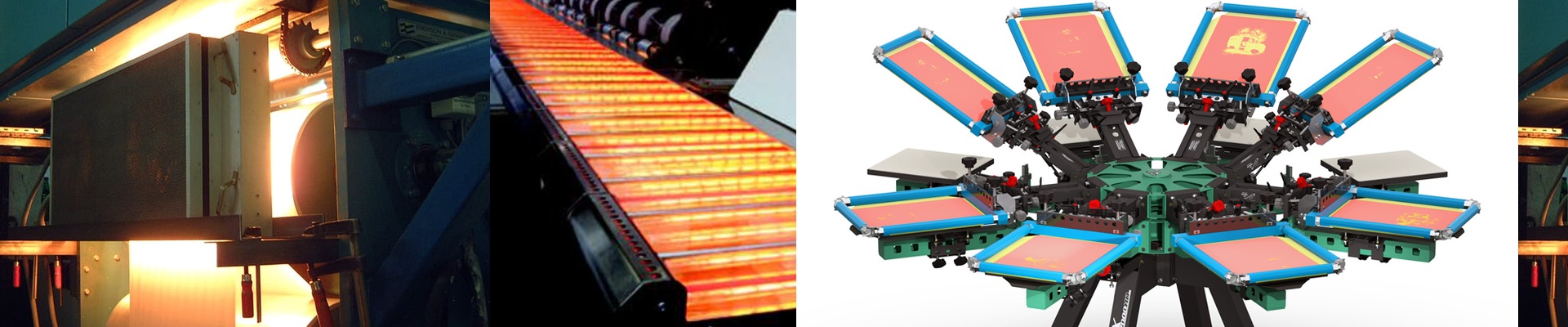
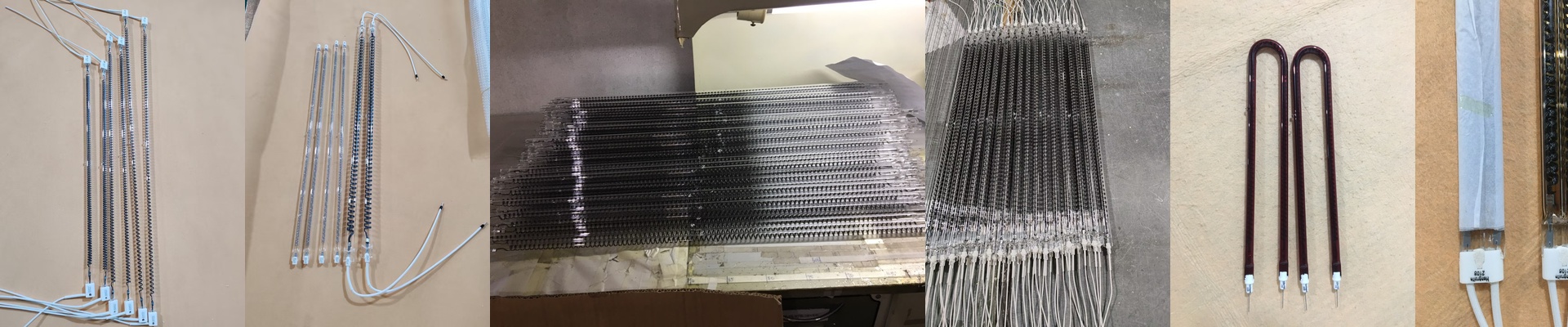
When you’re looking for a replacement lamp for your M&R flash system, it’s easy to think of it as just a glass tube. But in the real world, it’s more than that. You’re looking for a heat source that can snap your ink into place in a heartbeat. That’s why we build our lamps to mirror the electrical and thermal footprint of the original. You just pop them in and get back to work. No fuss. The nitty-gritty on heat and power M&R machines are picky. They need a very specific mix of wattage and voltage to hit those curing temps in a matter of seconds. Here’s the thing: when you pack high wattage into a short tube, you get an intense burst of heat. That’s exactly what you want—it sets the ink fast so you don’t accidentally scorch the shirt. If the voltage is off by even a tiny bit, you’re in trouble. The filament will either be too weak to do the job or it’ll just burn out. We calibrate ours to stay steady, even when the pressure is on. Why the glass actually matters Flash curing is brutal on equipment. You’re constantly flipping the power on and off, which creates a massive amount of thermal shock. Cheap glass can’t handle that. It cracks. It breaks. It ruins your day. We use high-purity quartz because it can take the hit. We also obsess over the wall thickness—too thin and it breaks, too thick and the heat doesn’t get through. Plus, we make sure the connectors are a tight, precise fit. A loose connection causes electrical arcing, and that’s a quick way to fry your socket. A few things to keep in mind If you go with a high-output lamp, you’re going to love the speed. Your line moves faster, and you get more shirts out the door. But there’s a catch. These lamps work hard, and they get hot. If your cooling fans are clogged with lint or just plain dying, the lamp won’t last nearly as long. Keep your airflow clear. If the ends of the tube can’t breathe, the heat builds up and eats away at the seals. At the end of the day, using these alternatives is a simple way to keep your maintenance costs down. You get the same heat and the same cure rate, as long as your power is steady. It just makes sense.